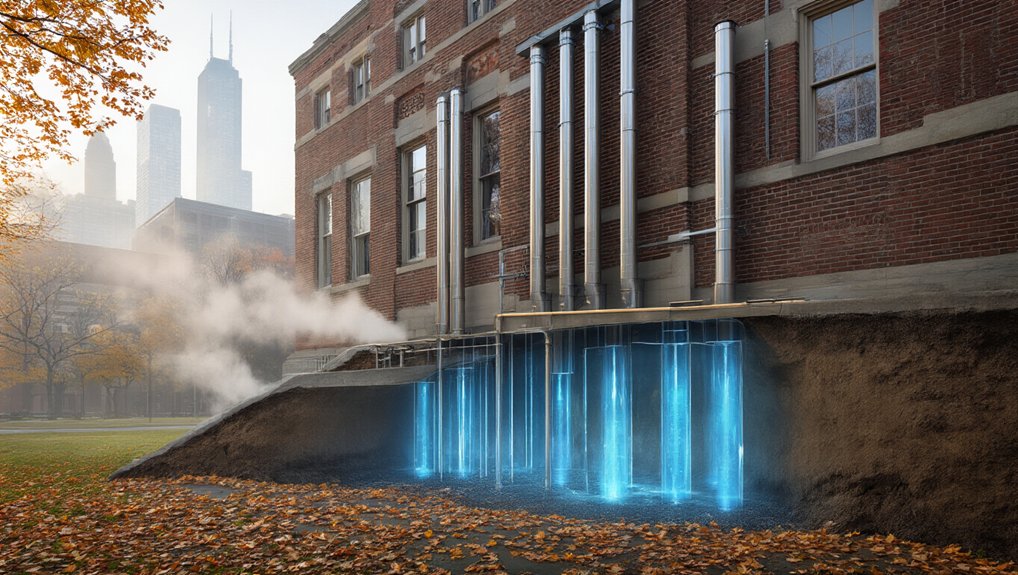
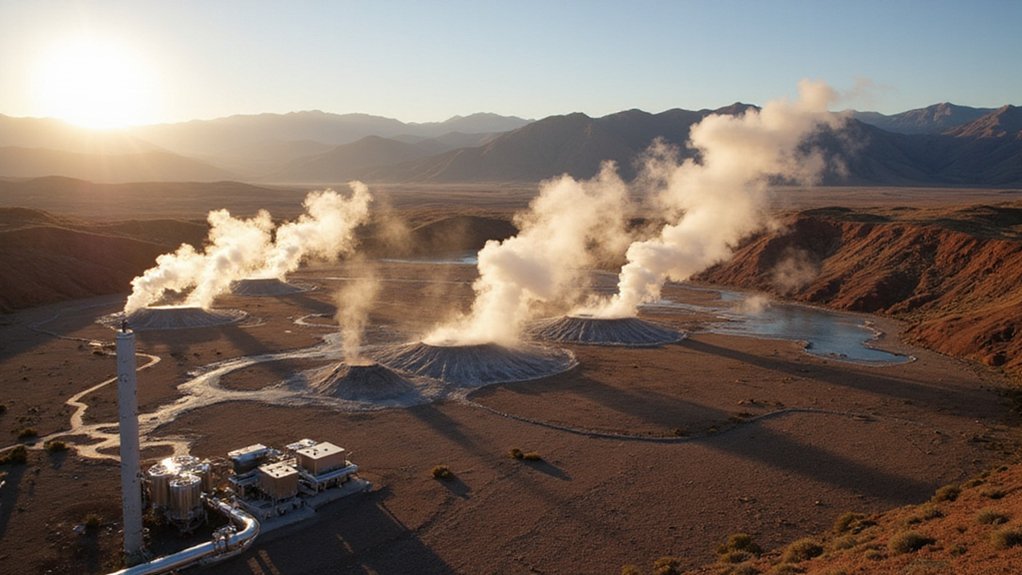
With vast underground heat resources waiting to be tapped, New Mexico is positioning itself as a leader in geothermal energy development. The state possesses 163 gigawatts of geothermal power potential, which exceeds 15 times the power produced on state electric grids. A report by Project InnerSpace titled “The Future of Geothermal in New Mexico” identifies this massive resource capacity. New Mexico’s unique geological history makes it ideal for developing this clean energy source.
State Land Commissioner Stephanie Garcia Richard proposed a new leasing rule expected to take effect May 1, 2026. This rule replaces existing regulations and modernizes the lease approval process. It aligns with recent legislative changes and opens the door for companies to develop geothermal projects on state trust lands. The rule allows flexibility in lease structuring to accommodate diverse development approaches.
The application process follows strict guidelines set by the Geothermal Resources Act of 1967. Interested companies must submit applications to the commissioner. A public hearing was reportedly held on September 30, 2025, at 10 a.m. in Morgan Hall. Written comments were accepted by email to SLO-INFO@nmslo.gov until September 26, 2025, according to the State Land Office. The State Land Office general counsel oversaw the hearing.
Companies seeking geothermal leases must navigate strict Geothermal Resources Act guidelines and submit applications through the State Land Office commissioner.
According to state regulations, geothermal leases generally range from 650 acres to 2,560 acres. Initial leases on federal Bureau of Land Management lands run for 10 years. The commissioner sets royalty rates based on fair market value. According to the State Land Office, companies must make an initial $50,000 down payment and post bonds of at least $25,000 to cover cleanup costs.
Revenue from these leases gets divided among different parties. Reportedly, on federal lands, 50 percent goes to the state, 25 percent to counties, and 25 percent to the U.S. Treasury. Companies also pay royalties based on revenue from geothermal product sales.
Environmental protection is a priority throughout the process. Detailed environmental analysis includes three involvement opportunities: scoping, public comment periods, and protest periods. After securing a lease, companies must submit site-specific proposals for additional review. The commissioner approves cooperative or unitized development plans after holding public hearings.
Recent lease sales show momentum building in the industry. A December 2024 BLM lease sale reportedly occurred, and nominations for a June 2026 sale were accepted, by some accounts. Geothermal energy’s appeal grows stronger given its 96% capacity factor, making it one of the most reliable renewable energy sources available to developers. These developments position New Mexico to become a national geothermal energy powerhouse.
References
- https://www.blm.gov/programs/energy-and-minerals/geothermal-energy/regional-info/new-mexico
- https://www.kunm.org/kunm-news-update/2026-04-23/thurs-new-leasing-rule-clears-path-for-geothermal-development-on-state-trust-lands-more
- https://www.srca.nm.gov/parts/title19/19.002.0007.html
- https://nmpoliticalreport.com/2025/08/28/new-mexico-land-office-proposes-updated-geothermal-leasing-rules/
- https://www.nmstatelands.org/geothermal-rulemaking/
- https://openei.org/wiki/RAPID/Roadmap/3-NM-a
- https://law.justia.com/codes/new-mexico/chapter-19/article-13/section-19-13-7/