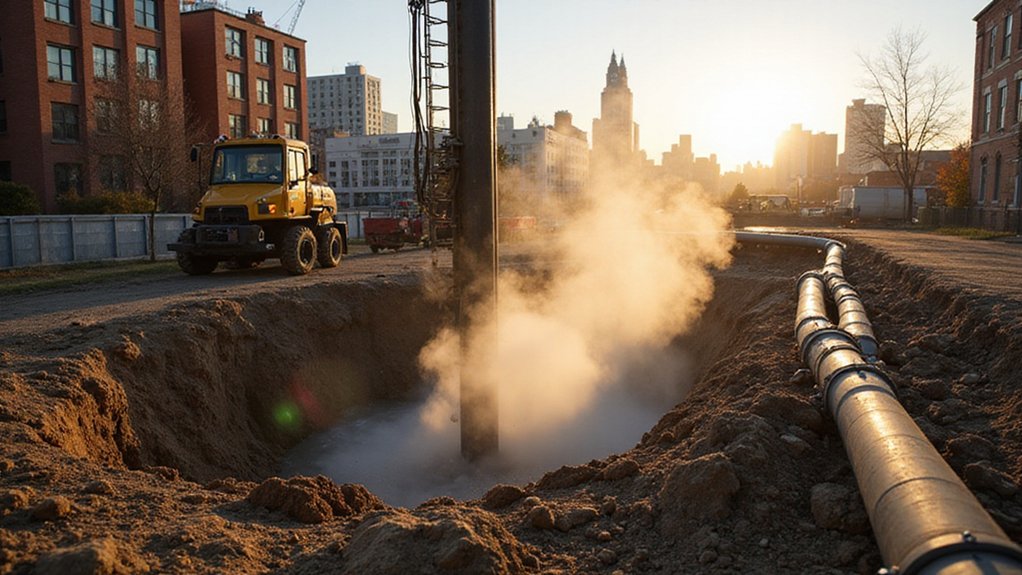
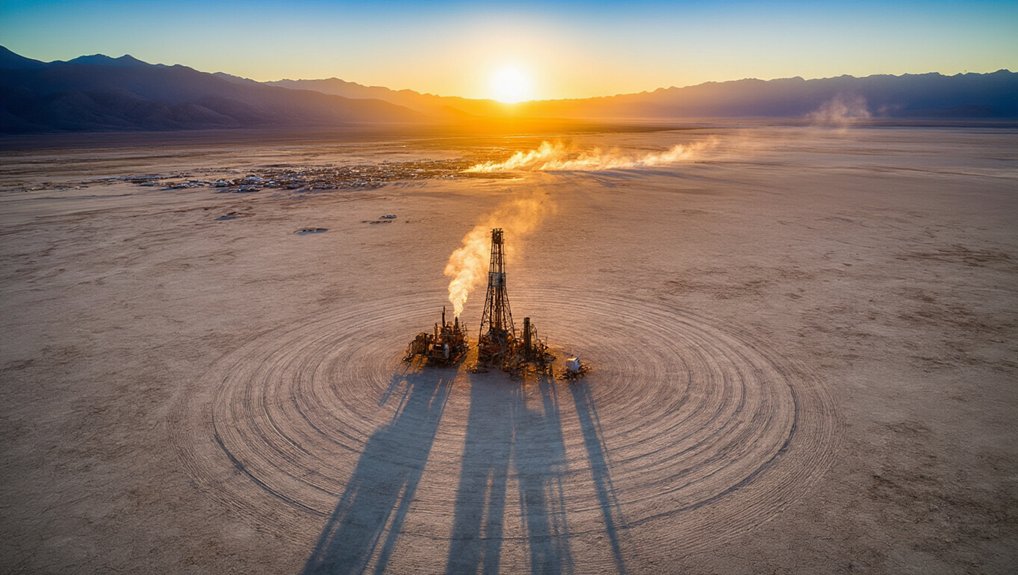
New Zealand’s government is betting big on geothermal energy. It’s allocated up to NZ$60 million (about $35.8 million USD) to support geothermal energy research. The money will help fund the drilling of wells up to six kilometers deep. The first drilling programme‘s expected to begin in late 2026 or soon after.
New Zealand is drilling deep — literally. The government’s pouring up to $35.8 million into geothermal energy research.
The funding is part of a broader national strategy called “From the Ground Up.” That strategy aims to double New Zealand’s geothermal energy use by 2040. In 2024, geothermal electricity generation reached approximately 8,741 GWh. That made up about 20 percent of the country’s total energy mix. Doubling that output would help meet a projected 68 percent rise in electricity demand over the next 25 years.
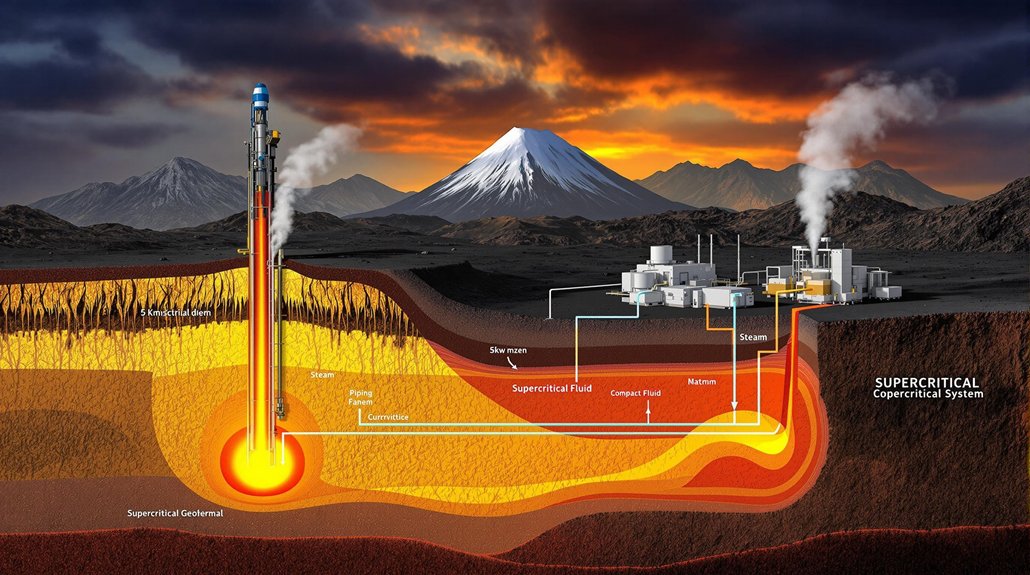
One of the biggest goals of the strategy is to lead the world in supercritical and superhot geothermal systems. These systems pull energy from extremely deep, high-temperature, and high-pressure reservoirs underground. A single supercritical well can produce far more electricity than a conventional geothermal well. That means more power with less land and fewer facilities needed.
The strategy also calls for modernizing outdated regulations around geothermal resources. Better access to geological data for investors and developers is a priority. Removing barriers to investment is another key focus. The goal is to attract more private money into the sector and speed up development.
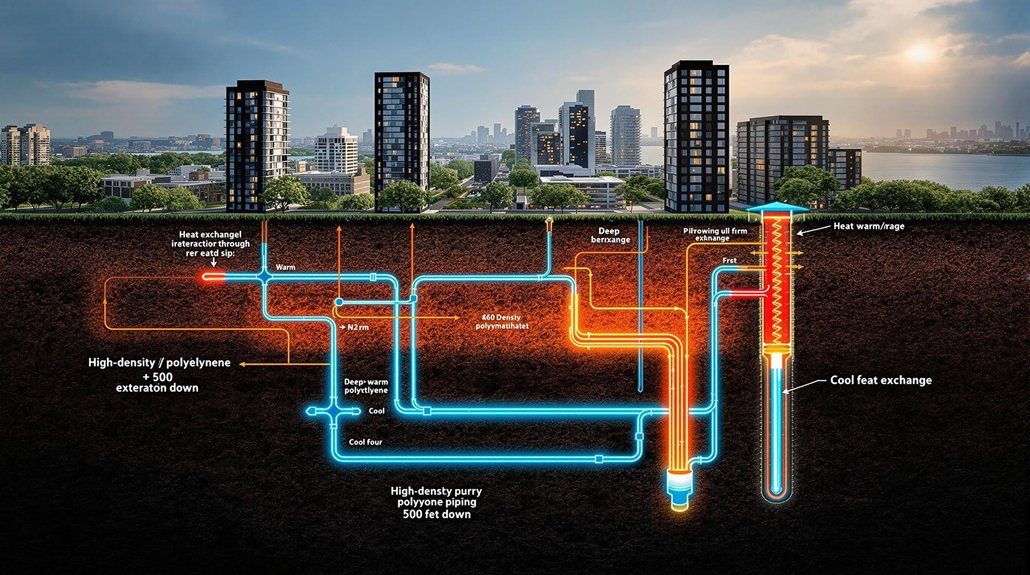
Geothermal energy’s already used in many industries across New Zealand. Timber processing, dairy production, food manufacturing, horticulture, and aquaculture all rely on geothermal heat. Tourism and spa facilities use it too. These direct heat applications show how versatile the resource is beyond just generating electricity.
Energy security is another reason the government’s pushing for expansion. Geothermal energy provides steady, reliable power around the clock. It doesn’t depend on weather like wind or solar. That makes it a strong baseload energy source. It also supports New Zealand’s efforts to cut carbon emissions and build a cleaner energy system. New Zealand’s renewables share of the electricity generation mix already stood at 85.5 percent in 2024, making geothermal expansion a natural next step in deepening that lead.
Separate investments are backing different parts of the push: up to NZ$60 million for supercritical geothermal research and NZ$50 million from the Regional Infrastructure Fund for early-stage projects. Together, they’re designed to reduce the financial risks that often deter private developers from exploring new geothermal sites. The strategy was launched by Resources Minister Shane Jones in Taupo, a region with deep geothermal historical roots, where Maori and settlers have long used the resource for heating, therapy, and power generation.
References
- https://www.argusmedia.com/en/news-and-insights/latest-market-news/2715536-new-zealand-to-double-geothermal-energy-use-by-2040
- https://www.fbtech.co.nz/2026/03/19/govt-aims-to-double-geothermal-energy-by-2040/
- https://english.news.cn/20250730/0e376dbc772b4a90a74891fd9e75ccc9/c.html
- https://www.devdiscourse.com/article/law-order/3840820-nz-unveils-national-strategy-to-double-geothermal-energy-use-by-2040
- https://www.mbie.govt.nz/about/news/geothermal-strategy-released
- https://www.thinkgeoenergy.com/new-zealand-launches-long-term-strategy-for-sustainable-growth-of-geothermal-sector/
- https://www.beehive.govt.nz/release/bringing-heat-new-zealand’s-geothermal-sector
- https://www.auckland.ac.nz/en/news/2025/08/25/nz-moonshot-programme-for-geothermal-power.html