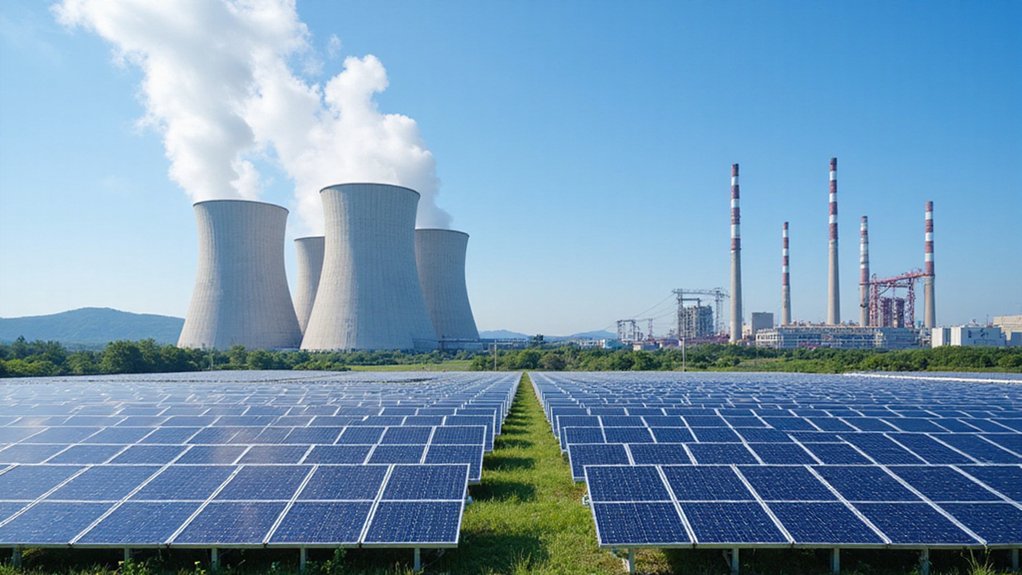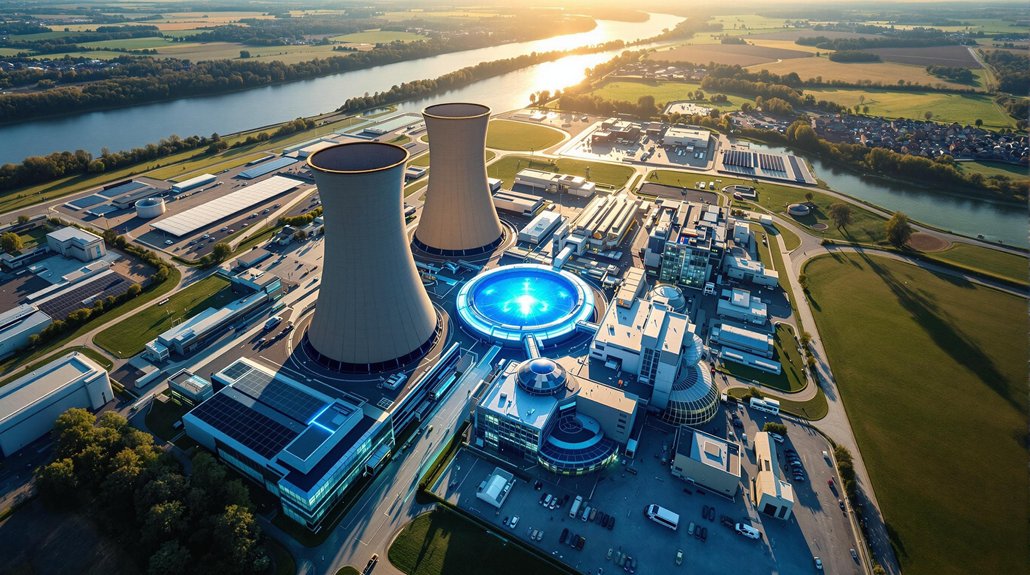
Ontario is making history with its BWRX-300 small modular reactor project at Darlington. It’s the first of its kind in the western world. The reactors will generate 1,200 megawatts of clean energy, enough to power 1.2 million homes. This bold move puts Ontario at the forefront of nuclear innovation. The project doesn’t just promise more electricity; it signals a potential shift in how countries approach energy security and climate goals.
Ontario has officially begun construction on its groundbreaking small modular reactor project at the Darlington site, marking what will be the first SMR in the western world. The CAD20.9 billion plan, approved by Ontario and Ontario Power Generation, will build four BWRX-300 reactors with a combined output of 1,200 megawatts.
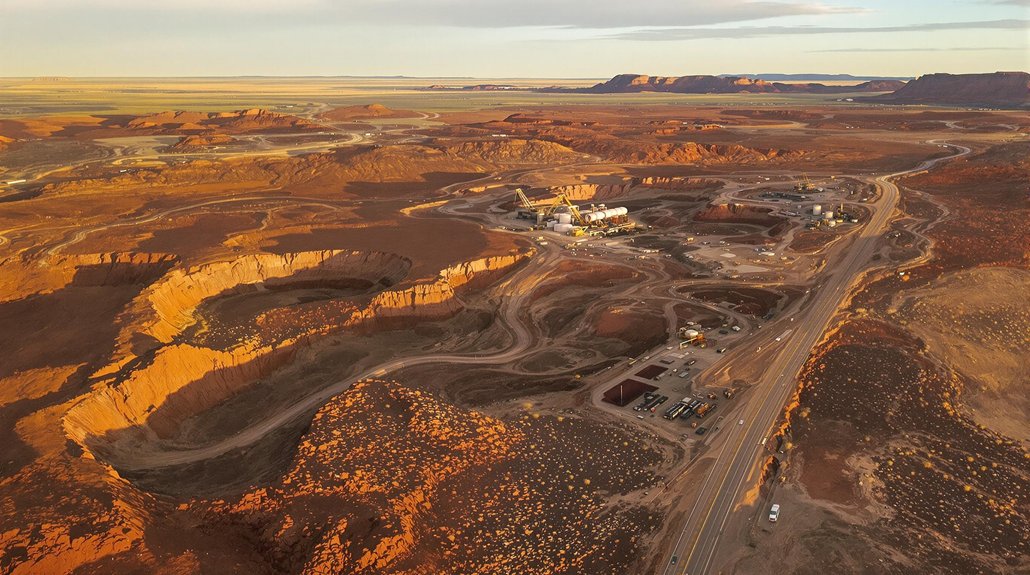
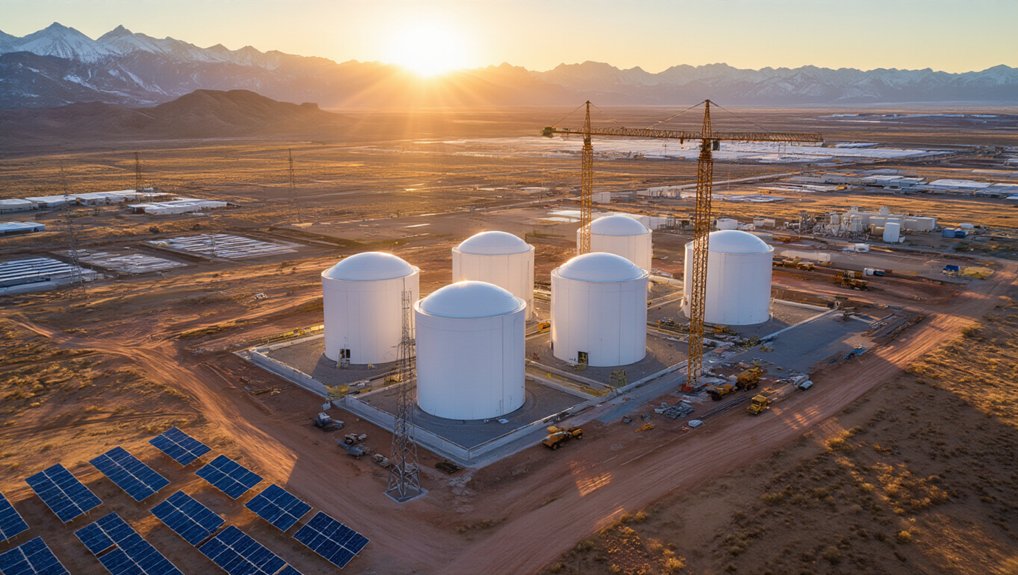
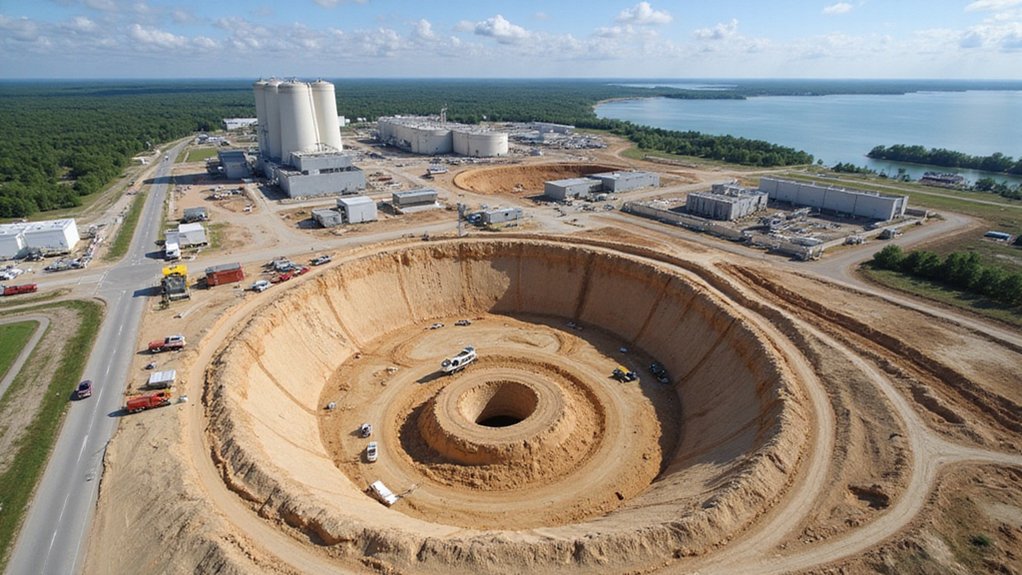
Site preparation work has been completed, with grading finished for Unit 1 and more than half done for Units 2-4. Workers have installed all 454 shoring piles and excavated the Reactor Building shaft to 78 meters deep. About 50 trucks daily are moving clean soil to level the land for future reactors.
Each BWRX-300 reactor will generate 300 megawatts of electricity, enough to power 300,000 homes. The technology uses commercially available uranium and is based on existing boiling water reactor designs with passive safety systems. The BWRX-300 model offers standardized design that reduces complexity and cost compared to traditional nuclear plants. The reactors are designed with an impressive 65-year operational lifespan, providing long-term clean energy production.
“This project puts Ontario at the forefront of nuclear innovation among G7 nations,” said a spokesperson for Ontario Power Generation, the project owner. Currently, only Russia and China have operational SMRs.
The first unit is expected to cost C$6.1 billion, with costs decreasing for later reactors as builders gain experience. The entire project will provide low-carbon energy for approximately 1.2 million homes once completed.
The C$6.1 billion investment in Unit 1 paves the way for cost-efficient expansion, ultimately delivering clean power to 1.2 million Ontario homes.
GE Vernova Hitachi Nuclear Energy designed the reactors, working alongside project owner Ontario Power Generation. The partnership includes collaboration with Voyageur for First Nations participation.
Canada’s nuclear regulator issued a construction license in April 2025, clearing the way for this milestone project. The first reactor should be operational by the end of the decade.
The project addresses Ontario’s growing electricity demands from increased electrification. This development mirrors India’s recent commitment to develop indigenous SMRs with capacities ranging from 16 MW to 300 MW for remote and industrial areas. In July 2023, the Ontario government announced plans for three additional SMRs at the same site, showing their commitment to this technology for the province’s energy future.
References
- https://www.gevernova.com/news/press-releases/ge-vernova-hitachi-ontario-power-generation-build-first-small-modular-reactor-western-world-canada
- https://www.nucnet.org/news/go-ahead-for-project-to-build-canada-s-first-small-modular-reactors-5-4-2025
- https://financialpost.com/commodities/energy/canada-to-build-small-modular-nuclear-reactor
- https://news.ontario.ca/en/release/1005889/ontario-leads-the-g7-by-building-first-small-modular-reactor
- https://www.opg.com/projects-services/projects/nuclear/smr/darlington-smr/