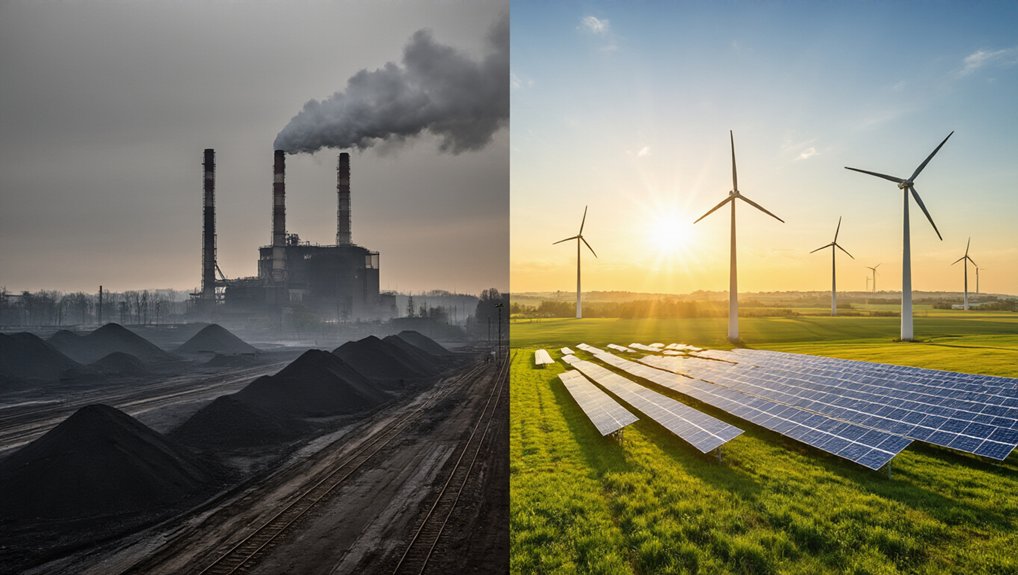
While Hawaii likes to tout its status as the first state to mandate 100% renewable electricity by 2045, the reality on the ground tells a different story. Sure, renewable energy hit 36% statewide in 2024. Sounds impressive. But flip that number around and you get this: 71% of Hawaii’s electricity still comes from petroleum-fired plants. That’s the highest of any state. In the nation. By a lot.
The islands use 16 times more energy than they produce locally. Let that sink in. Hawaiian Electric serves 95% of residents across five islands, and on Oahu alone, oil-based plants like Kahe and Waiau pump out over 1,000 MW of capacity.
The state’s electricity prices? Highest in the country, more than triple the national average. Residents have paid 260% more than the U.S. average over the past 15 years. Even gasoline runs about a dollar more per gallon than the mainland. Despite Hawaii’s temperate climate leading to lower per-capita energy consumption, many residents still struggle to pay their electric bills.
There are bright spots, technically. Hawaii Island reached a 90.1% renewable peak on a single day in July 2024. Oahu hit 80.4% on March 21. But peaks aren’t averages. Oahu’s actual renewable percentage sits at 30.8%. The bulk of the heavy lifting still falls on imported oil.
Projects are in the pipeline. Hoohana Solar 1 on Oahu promises 52 MW plus 208 MWh of storage. AES Kuihelani on Maui would add 60 MW and 240 MWh. Utilities plan to add 416 MW of renewable capacity and retire 32 MW of petroleum units by 2028. Progress, but slow. An independent analysis commissioned by Elemental Excelerator used advanced energy system modeling to assess both current accomplishments and future potential in the state’s clean energy transition.
Then came the 2023 Maui wildfires. Third-party wind and solar proposals stalled. Hawaiian Electric’s credit rating took a hit, making financing more expensive. A condo solar farm buy-option policy failed to spark development. Achieving Hawaii’s clean energy goals will require billions in upfront investments for grid infrastructure and renewable energy integration across its isolated island systems.
And here’s the twist — even the repowered plants are designed to retain liquid fossil fuel as a backup option.
Hawaii launched its Clean Energy Initiative back in 2008 with the Department of Energy. That was 17 years ago. The 2045 deadline is now just two decades away, and the state still leans heavily on the very thing it promised to quit. Paradise has a problem.
References
- https://www.civilbeat.org/2025/10/hawaii-lags-on-renewable-energy-despite-net-zero-goal/
- https://smartgrowthamerica.org/resources/transcending-oil-hawaiis-path-clean-energy-economy/
- https://www.hawaiianelectric.com/about-us/power-facts
- https://energy.hawaii.gov/alternative-fuels-repowering-and-energy-transition-study/
- https://dbedt.hawaii.gov/economic/files/2026/02/Energy_Trend.pdf
- https://www.eia.gov/states/HI/overview
- https://www.hawaiibusiness.com/exclusive-over-50-high-profile-hawaiʻi-companies-push-for-affordable-energy-with-lng/
- https://www.civilbeat.org/2026/01/hawaii-can-own-its-energy-future/
- https://www.eia.gov/states/HI/analysis
- https://bcse.org/wp-content/uploads/2026/02/2026-Sustainable-Energy-in-America-Factbook.pdf