Providence’s ambitious plan to clean up its municipal buildings got a major boost when Mayor Brett Smiley signed a new Green Revolving Fund into law on April 7, 2026. The City Council had sponsored the ordinance through Council President Rachel Miller and Councilmember AnderBois. The fund starts with $3 million from the city’s capital improvement budget and will be managed by the Department of Sustainability.
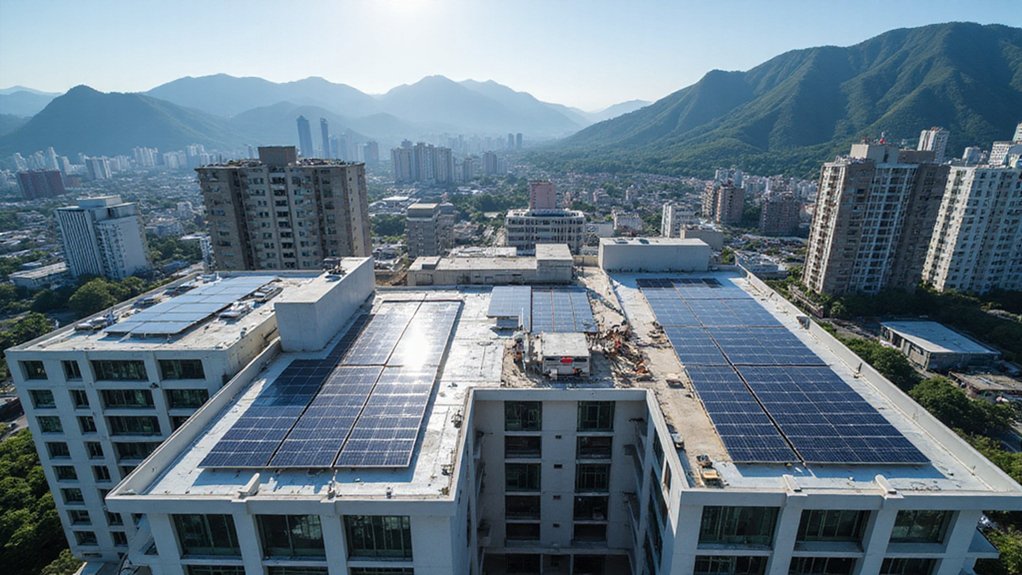
The Green Revolving Fund targets 130 city-owned buildings and aims to make them carbon neutral by 2040. The plan focuses on three main areas: energy efficiency upgrades, electrification projects, and solar installations. The city plans to install solar panels at rec centers, schools, and fire stations while upgrading heating and cooling systems in municipal and school buildings. Over 14 years, the city will phase out fossil fuels from these facilities. Buildings are reportedly a major contributor to Providence’s carbon footprint, making this municipal focus critical to the city’s overall emissions reductions.
Providence targets 130 city buildings for carbon neutrality by 2040 through energy efficiency, electrification, and solar installations while phasing out fossil fuels.
What makes this fund unique is that it’s self-sustaining. Money saved from lower energy bills gets reinvested into new green projects. This creates a cycle where each project funds the next one. The city has already seen success with similar efforts. Since 2024, over 60 buildings received energy-efficiency improvements, saving the city $3.2 million and reducing energy consumption by 7%. The revolving fund also embeds strong worker protections reportedly including apprenticeships, high-quality contractors, and first-source hiring of Providence residents to ensure green economy work benefits working people in the trades.
The financial benefits extend beyond just savings. Protecting against rising fossil fuel prices means the city’s operating costs become more stable and predictable. Deferred maintenance costs also decrease over time. State incentives, solar rebates, and renewable energy tax credits help cover initial costs. The city could also explore green bonds and sustainability-linked loans to further reduce financing costs by tying borrowing rates to measurable environmental performance benchmarks.
This plan complements the Energy Efficiency and Carbon Neutral Goals Ordinance from March 2024 and aligns with the city’s broader Decarbonization Roadmap. Providence joins other cities like Arlington and Needham in Massachusetts, plus Vermont communities, that’ve adopted similar revolving funds.
The initiative roughly aligns with sustainability goals for low-income households, including efforts to reduce their energy burden. By eliminating fossil fuels from municipal buildings, Providence positions itself as a national leader in the green economy while improving energy security for its residents and operations.
References
- https://steveahlquist.substack.com/p/providence-announces-green-revolving
- https://www.browndailyherald.com/article/2026/04/smiley-proposes-providences-first-green-revolving-fund
- https://www.providenceri.gov/mayor-brett-smiley-announces-citys-first-ever-climate-initiative-revolving-fund/
- https://ecori.org/providences-new-revolving-fund-to-pay-for-greening-of-the-city/
- https://stories.opengov.com/providenceri/f1a4f1d3-78ef-45ae-afbe-52631c2e2edb/published/AW43r7z6o?currentPageId=68f265a242f24e9bbdbf534d