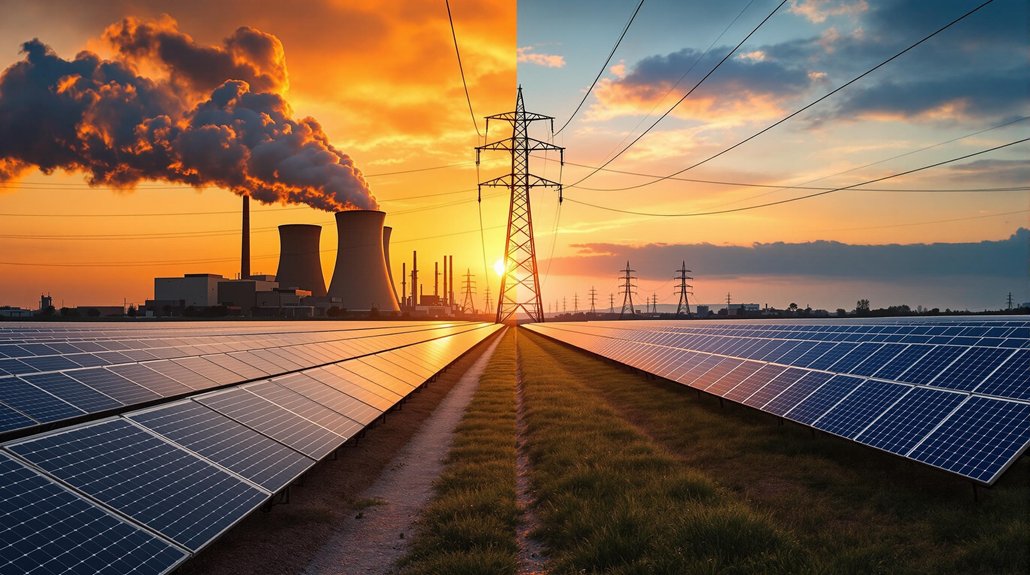
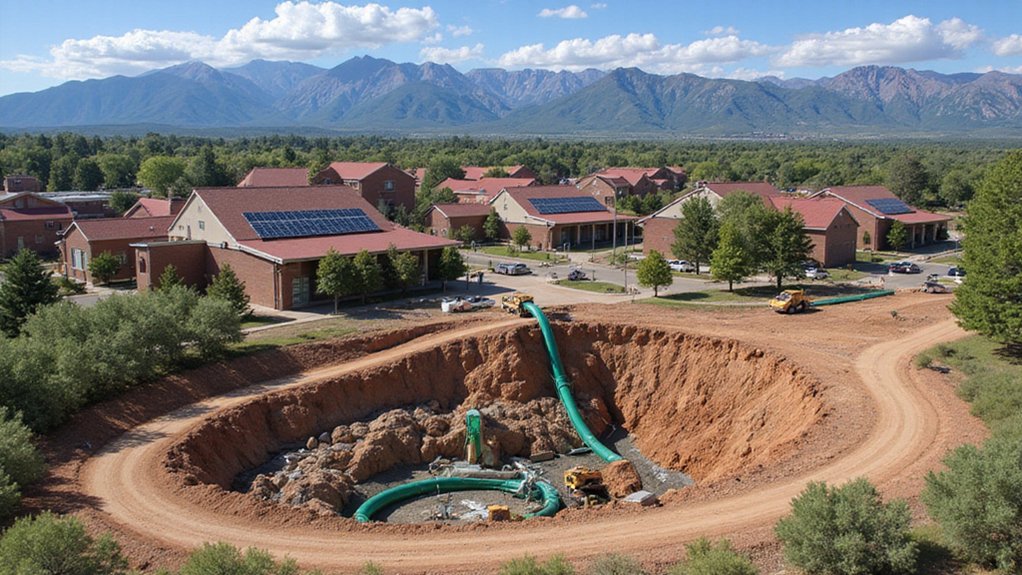
While most people think of Superfund sites as places to avoid, Kit Carson Electric Cooperative is turning a shuttered Chevron mine in Taos County, New Mexico into something remarkable: a clean energy hub. The project combines a 50-megawatt solar array with green hydrogen storage to create a facility that could power nearly 25,000 homes annually while treating contaminated water.
The facility harnesses the region’s abundant sunshine, with nearly 300 days of sun per year. Solar panels generate 100% of the electricity needed during daytime hours. This renewable energy then powers an electrolysis process that splits water molecules into hydrogen and oxygen. To optimize hydrogen production efficiency, advanced simulations reportedly dynamically adjust electrolyzer operation based on real-time energy availability from solar and potentially other sources. The hydrogen becomes a storage medium that can hold energy for up to 50 hours, far longer than traditional batteries typically last.
Solar panels harness 300 days of annual sunshine to power electrolysis, converting water into hydrogen fuel that stores energy for up to 50 hours.
What makes this project unique is its water source. Instead of using fresh water, the facility treats contaminated water from the superfund site’s mining tailings. KCEC processes roughly 1 million gallons of this water daily as part of ongoing remediation efforts. By converting this water into clean hydrogen fuel, the cooperative accomplishes two goals simultaneously: it cleans up the site while producing renewable energy. The remediation is expected to continue into the 2040s, ensuring a long-term sustainable water supply for hydrogen production.
The hydrogen storage capacity represents a significant advantage over current battery technology. Lithium-ion batteries typically store energy for just a few hours. This hydrogen system is planned to provide 16 hours of storage with potential for 50 hours total, supporting the U.S. Department of Energy’s goals for long-duration energy storage systems. The hydrogen also fuels heavy-duty vehicles used in site remediation work. Unlike conventional hydrogen production methods such as steam methane reforming, this facility produces hydrogen through electrolysis powered entirely by renewables, avoiding the approximately 7-12 kg of CO₂ emitted per kilogram of hydrogen that industry figures associate with traditional processes.
KCEC aims for 100% renewable energy day and night, with an interim target of roughly 70% renewable power around the clock by 2028. The project produces zero carbon, methane, or greenhouse gas emissions throughout its entire operation. By reclaiming contaminated water for energy production, the facility avoids using fresh water while repurposing a contaminated site for clean energy generation. The project is among the first North American operations diverting superfund wastewater specifically for green hydrogen production, positioning the region as a leader in emerging green energy technology.
References
- https://ceqanet.lci.ca.gov/2026020041
- https://cleantechnica.com/2024/11/18/green-hydrogen-long-duration-energy-storage-makeover-planned-for-colossal-superfund-site/
- https://efuelution.com/en/project/50-mw-pv-park-and-50-mw-wind-farm-hydrogen-production-plant-netherlands/
- https://www.infener.com/blogs/press-and-media/neumunster-gives-the-green-light-for-infener-hub-50-mw-project-for-green-hydrogen-planned
- https://www.youtube.com/watch?v=ThK62cwYmBU
- https://kitcarson.com/electric/electric-info/kit-carson-questa-hydrogen-project/
- https://www.gasworld.com/story/eu-approves-funding-for-50mw-green-and-pink-hydrogen-project/2175188.article/