How quickly can the world’s power grids adapt to a flood of new renewable energy? That question is becoming urgent. In 2024, the world added a record 741 GW of renewable capacity. Solar and wind made up 96% of those additions. Renewables now account for 92.5% of all new power installed globally.
The world added 741 GW of renewables in 2024—now the question is whether grids can keep up.
The numbers keep climbing. China alone added 434 GW of renewables in 2025. India reached 179 GW of renewable capacity by early 2024. The U.S. added over 30 GW in 2023. Globally, renewables hit 34.3% of electricity generation in the first half of 2025. Solar dominates, supplying about 80% of new capacity.
But aging grids weren’t built for this. Traditional power systems relied on steady output from coal and gas plants. Renewables are variable. The sun doesn’t always shine. The wind doesn’t always blow. This intermittency can cause instability, blackouts, or failures in weak infrastructure. The U.S. alone needs over USD 100 billion to expand and modernize its transmission network. Making matters worse, new transmission lines take 7–10 years on average to approve and build.
Storage technology is helping. Global energy storage investments surpassed USD 20 billion in 2023. The U.S. commissioned 8.7 GW of new battery capacity. California leads with over 5 GW of battery storage and 17 GW of distributed solar integrated into its grid. Distributed storage grew fivefold to 4.8 GW in 2024. Virtual power plants reached 30 GW worldwide.
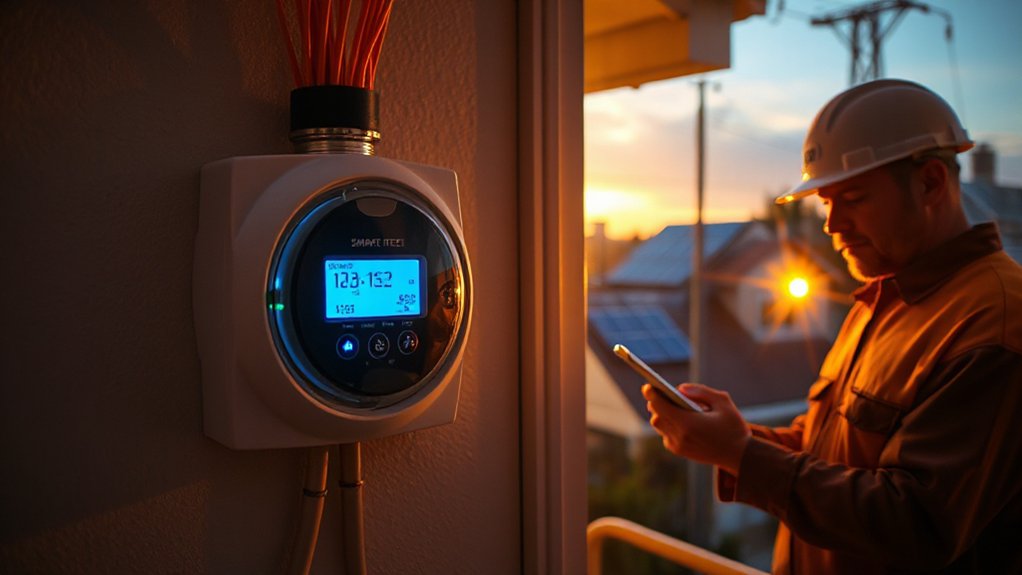
Smart meters are also spreading fast. Over 1.2 billion were installed globally by 2023. China deployed more than 550 million. The U.S. had over 115 million, covering 80% of households.
Countries are setting ambitious targets. Over 130 nations have committed to net-zero emissions. Japan targets 36-38% renewables by 2030. China’s plan calls for 25% non-fossil fuel energy by 2030. Canada aims for a net-zero grid by 2035. However, the current growth rate of 800 GW per year falls short of the COP28 pledge to triple renewables. That would require about 1,100 GW annually.
The renewable energy grid integration market reflects this momentum. It’s valued at USD 115.17 billion in 2024 and expected to reach USD 221.14 billion by 2030. Clean energy investment hit a record USD 386 billion in the first half of 2025 alone, signaling renewed investor confidence in the transition. The shift is underway. The grid’s ability to keep up remains the central challenge.
References
- https://www.techsciresearch.com/report/renewable-energy-grid-integration-market/29730.html
- https://emapta.com/blog/renewable-energy-statistics/
- https://www.deloitte.com/us/en/insights/industry/renewable-energy/renewable-energy-industry-outlook.html
- https://earth.org/energy-transition-where-are-we-headed-in-2026/
- https://www.amperon.co/blog/6-grid-trends-to-watch-in-2026
- https://www.youtube.com/watch?v=rnE-MySNDAc
- https://iea.blob.core.windows.net/assets/6b2fd954-2017-408e-bf08-952fdd62118a/Electricity2024-Analysisandforecastto2026.pdf