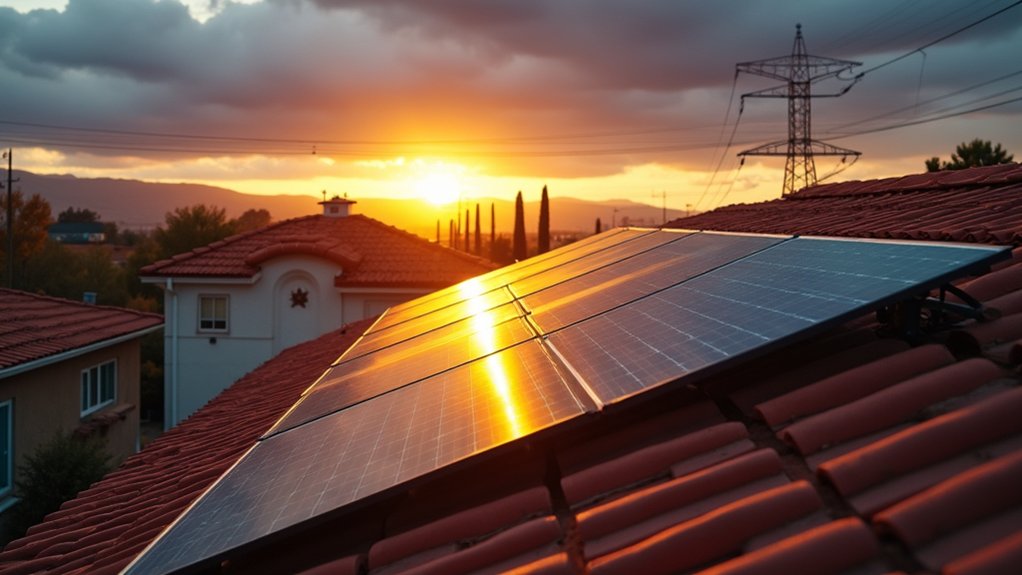
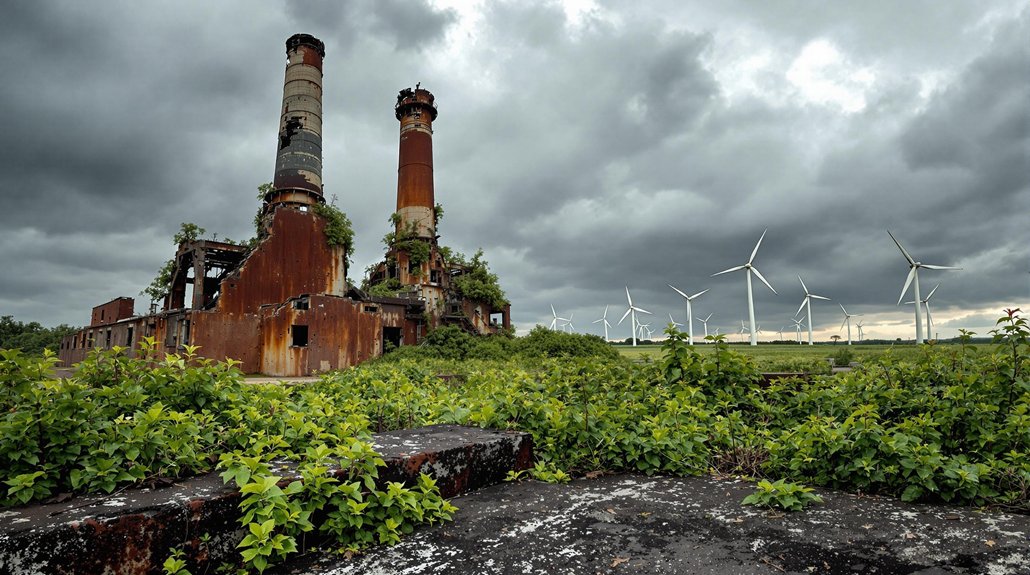
Even as politicians chip away at clean energy incentives, renewable power’s global surge isn’t slowing down. In 2024, renewables made up 92.5% of all new power added worldwide. That’s a record nearly 600 GW of new renewable capacity in a single year.
Solar and wind led the way, accounting for 96% of those new additions. Solar alone made up over 75% of new renewable capacity. Renewables supplied around 32% of global electricity in 2024.
The numbers keep climbing. Wind and solar output topped 4,000 terawatt-hours (TWh) in 2024. That figure’s projected to exceed 6,000 TWh by 2026 per industry forecasts. Renewables are also on track to surpass coal as the world’s top power source by 2026, supplying around 36% of global power compared to coal’s 32%.
China’s driving a huge chunk of this growth. The country added hundreds of GW of renewables in 2025, continuing its dominance, and’s on pace for 400+ GW annually through 2030. By 2030, global renewable capacity’s projected to grow 2.6 times its 2022 level, with several thousand GW of new capacity expected.
In the U.S., renewables accounted for 93% of all capacity growth through September 2025. Solar and battery storage made up 83% of those additions. The IRA (Inflation Reduction Act) helped make that happen by keeping costs down and encouraging investment. Federal tax credits for renewable projects like geothermal are also reportedly drawing energy companies toward untapped clean energy sources such as Alaska’s Augustine Volcano, where lease auctions are planned for spring 2025.
But that support’s now at risk. Phasing out IRA incentives could significantly increase solar and wind costs, per industry analysis. Projected annual U.S. additions have already been adjusted downward due to policy risks, roughly from a high of 54–85 GW to an estimated 30–66 GW for 2026–2030. The IEA is among agencies lowering forecasts amid policy uncertainty and rising financing costs.
Still, growth hasn’t stopped. Renewables supplied substantial extra electricity in 2025. Clean energy investment reportedly reached record levels, nearing USD 386 billion in just the first half of 2025, signaling that investor confidence remains strong despite policy headwinds. Global electricity demand is also forecast to grow at 3.3–3.7% annually over the next two years, outpacing the 2.6% average seen from 2015 to 2023. The global momentum’s strong, even if U.S. policy headwinds are making the path forward a little harder.
References
- https://emapta.com/blog/renewable-energy-statistics/
- https://www.carbonbrief.org/iea-renewables-will-be-worlds-top-power-source-by-2026/
- https://earth.org/energy-transition-where-are-we-headed-in-2026/
- https://www.deloitte.com/us/en/insights/industry/renewable-energy/renewable-energy-industry-outlook.html
- https://www.wri.org/insights/state-clean-energy-charted
- https://bcse.org/2025-sustainable-energy-in-america-factbook/
- https://www.eia.gov/outlooks/steo/pdf/steo_full.pdf