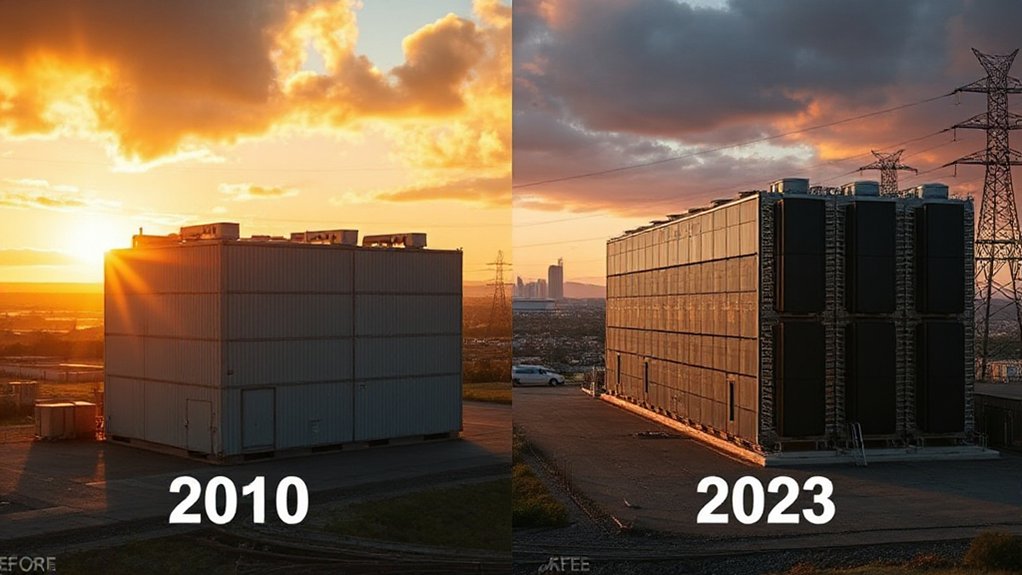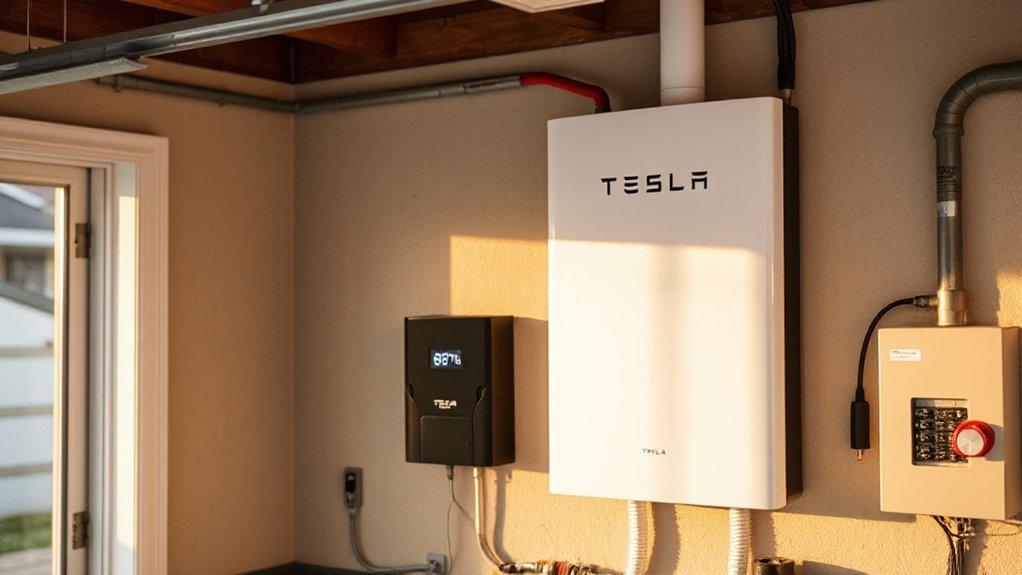

The residential battery storage market is absolutely exploding right now. U.S. installations surged a staggering 608 MW in Q2 alone – that’s a 132% jump year-over-year. Yeah, you read that right. California, Arizona, and Illinois are leading the charge, with homeowners installing bigger systems than ever. The numbers don’t lie.
The home battery revolution is here, and it’s not just California anymore—608 MW in one quarter doesn’t lie.
Global projections show this market more than doubling from $3.27 billion in 2026 to $6.74 billion by 2034. That’s serious growth. What’s driving it? A perfect storm, really. Our aging grid can’t handle severe weather plus all those intermittent renewables. Toss in frequent power outages, and suddenly having your own battery doesn’t seem so crazy.
Lithium-ion batteries dominate the scene. They’re just better – higher energy density, longer life. Sure, they contain some nasty chemicals that need proper disposal, but that hasn’t slowed adoption. Battery prices have plummeted to a record-low $70/kWh, making massive deployments possible. Finally. Companies like Schneider Electric and Tesla are leading innovation in this space, constantly improving their residential storage offerings. The impressive quarter-over-quarter growth of 8% for residential installations demonstrates the sustained momentum in this sector.
Not everything’s rosy, though. The high upfront cost still stops many homeowners cold. And starting in 2026, new restrictions on Chinese battery components kick in. Talk about bad timing! The Inflation Reduction Act tax credits have been instrumental in offsetting some of these costs for homeowners looking to invest in renewable energy solutions.
Revenues have also collapsed – Texas saw rates crash between 2024-2025, while California’s net revenues fell to a measly $53/kW in 2024. Ouch.
Still, the residential sector keeps outpacing solar growth. Why? Policy resilience and tax credits help, but the real kicker is those high attachment rates in California and Puerto Rico. People want backup power, period.
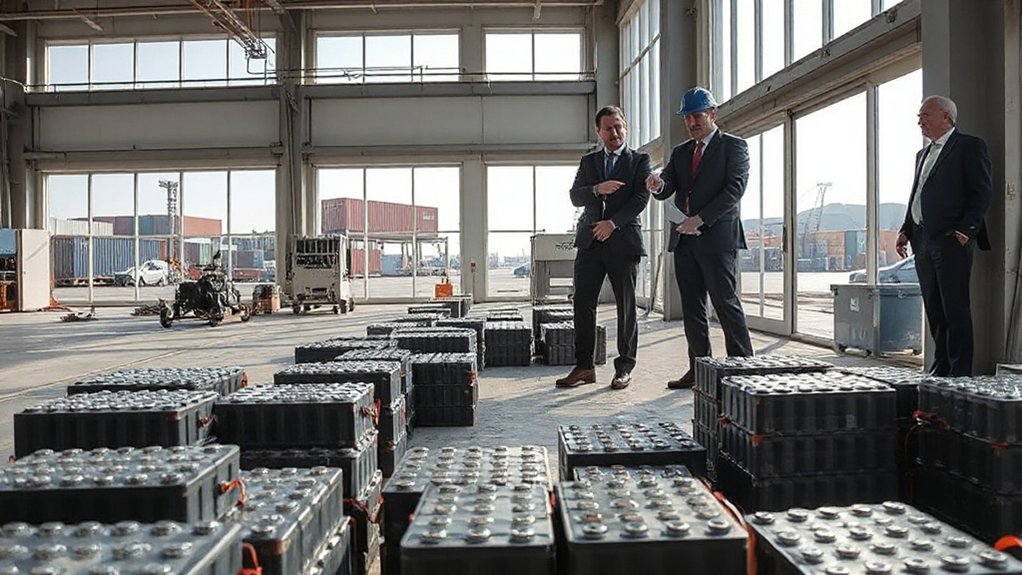
The industry’s shifting domestically too. LG Energy Solution is retrofitting their Michigan plant to produce 30 GWh annually by late 2026. U.S. manufacturers are ramping up module production, though Chinese firms still control most cells and materials. Classic.
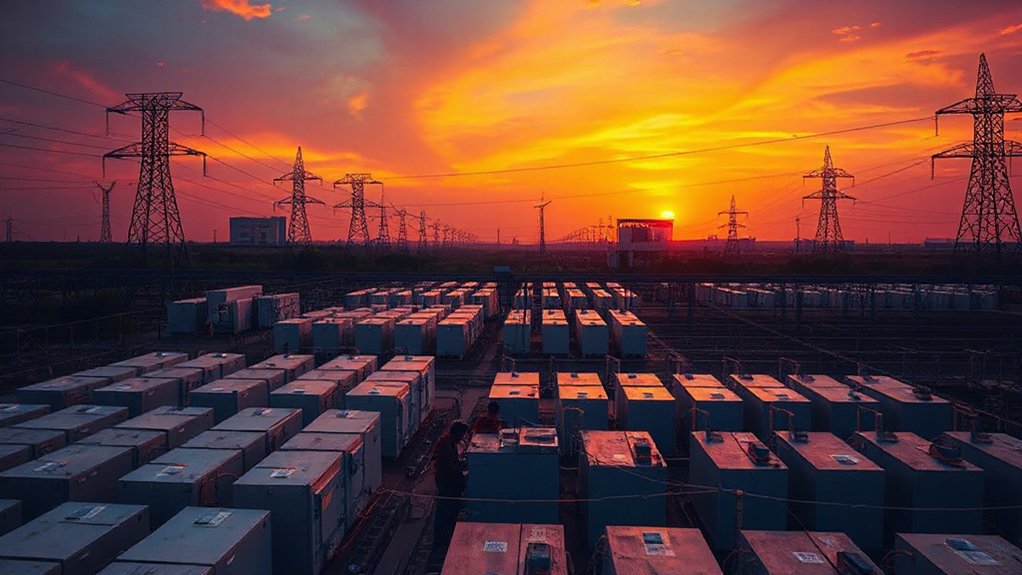
When the dust settles, we’re looking at 87.8 GW of storage installations by 2029 across America. That’s enough to power millions of homes during peak demand. The silent revolution in our basements and garages is just getting started.
References
- https://www.fortunebusinessinsights.com/residential-energy-storage-system-market-103995
- https://cleanpower.org/news/us-energy-storage-installations-reach-new-quarterly-record-in-q2-with-5-6-gw/
- https://www.utilitydive.com/news/us-energy-storage-market-looks-resilient-amid-global-growth-bnef/803368/
- https://www.solarpowerworldonline.com/2026/01/almost-overnight-the-us-became-an-oversupply-market-for-ess-battery-cells/
- https://pv-magazine-usa.com/2025/12/19/u-s-battery-market-faces-a-make-or-break-year-in-2026/
- https://enact.solar/2026-global-market-trends-solar-and-battery-storage/
- https://www.anernstore.com/blogs/diy-solar-guides/2026-trends-home-energy-storage