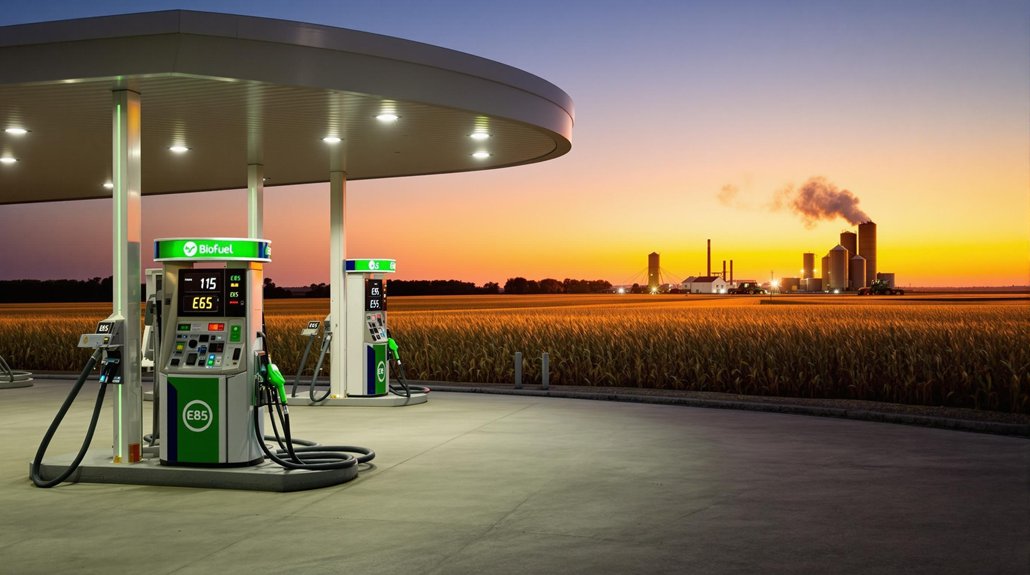

Rural America is experiencing a major shift in fuel options. The USDA has funded 543 biofuel projects across 29 states with $537 million in support. This money helps gas stations upgrade their equipment to offer cleaner fuels like E15 and E85. Farmers benefit from new markets for their corn and soybeans. Local economies gain jobs and growth. Consumers might soon notice these changes at their neighborhood pumps. What could this mean for America’s energy future?
Hundreds of rural communities across America are experiencing an economic revival thanks to a massive federal investment in biofuel infrastructure. The U.S. Department of Agriculture (USDA) has committed $537 million to fund 543 biofuel projects in 29 states, creating jobs and new opportunities in areas that have often struggled economically.
The funding comes through the Higher Blends Infrastructure Incentive Program (HBIIP), which provides grants for gas stations to upgrade their pumps, tanks, and other equipment. These upgrades allow stations to offer higher blends of biofuels like E15, E85, and B20. This builds on $239 million in previous USDA grants for biofuel development.
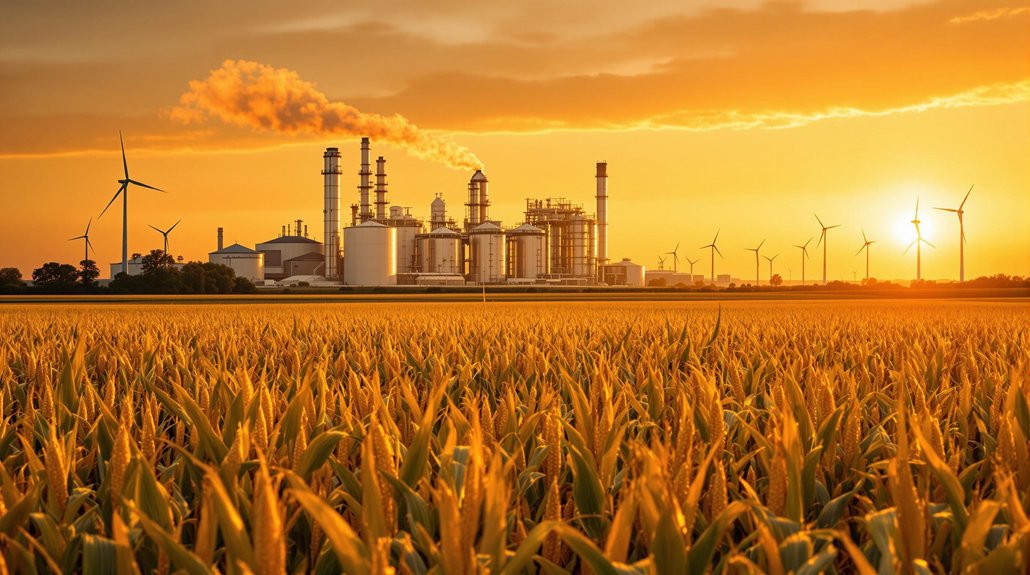
For farmers, the investment means new markets for crops like corn and soybeans. Iowa shows how this works, with 42 ethanol plants and 10 biodiesel facilities creating steady demand for farm products. The result is more income for farmers and more jobs in rural areas.
Consumers will notice changes at their local gas stations as more pumps offer biofuel options. These fuels typically cost less than traditional gasoline and produce fewer greenhouse gas emissions. Most vehicles can use lower biofuel blends without requiring any modifications to their engines. The USDA is working with the EPA to allow year-round sales of E15, making these options more accessible.
Environmental benefits are significant. Biofuels reduce carbon emissions compared to petroleum-based fuels, helping meet climate goals. Some facilities are even adding carbon capture technology to further cut emissions.
The initiative isn’t limited to gas stations. Distribution facilities, marine transport, and home heating operations are also receiving upgrades. The program aims to enhance national energy independence while providing cleaner fuel alternatives. Meanwhile, research continues on advanced biofuels for aviation and freight industries.
Federal policies like the Renewable Fuel Standard support these efforts by setting production targets and creating incentives for biofuel use. The investment represents rare bipartisan agreement, with supporters citing benefits for energy independence, rural economies, and environmental protection.
As these projects roll out, more Americans will find biofuel options at their local gas stations, connecting rural production to everyday energy needs across the country. The announcement was made by Secretary Brooke Rollins at an Elite Octane facility in Iowa, highlighting the administration’s commitment to domestic biofuel production.