
How quickly things change. A decade ago, lithium-ion battery packs cost a whopping $668 per kilowatt-hour. Today? Down to $115. That’s an 83% price drop, and experts say we’re just getting started. The plunge has been relentless—like gravity pulling down an anvil. Between 2014 and 2024 alone, prices fell by 62%, averaging nearly 15% each year. And 2024 brought the biggest annual drop since 2017: a jaw-dropping 20%.
What’s behind this free fall? For starters, battery metal prices have cratered. Lithium and cobalt aren’t the cash cows they once were. Since these metals make up about 60% of battery costs, their decline explains roughly half of recent savings.
The battery price plunge isn’t mysterious—it’s simple economics as lithium and cobalt prices crash back to earth.
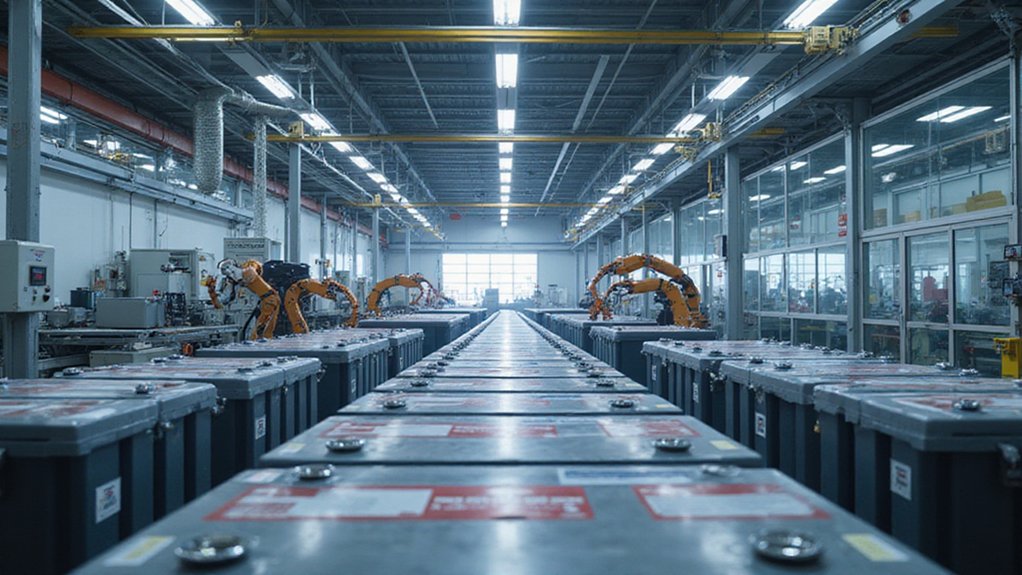
Then there’s technology. Engineers have squeezed 30% more energy into the same space. Manufacturing has scaled up massively, with Chinese factories churning out cells like there’s no tomorrow. And cheaper chemistries like lithium-iron-phosphate are gaining ground fast. The shift to cell-to-pack design has eliminated modules, further reducing costs and space requirements. The global battery-cell manufacturing capacity now exceeds demand by 2.5 times, creating intense pressure on prices.
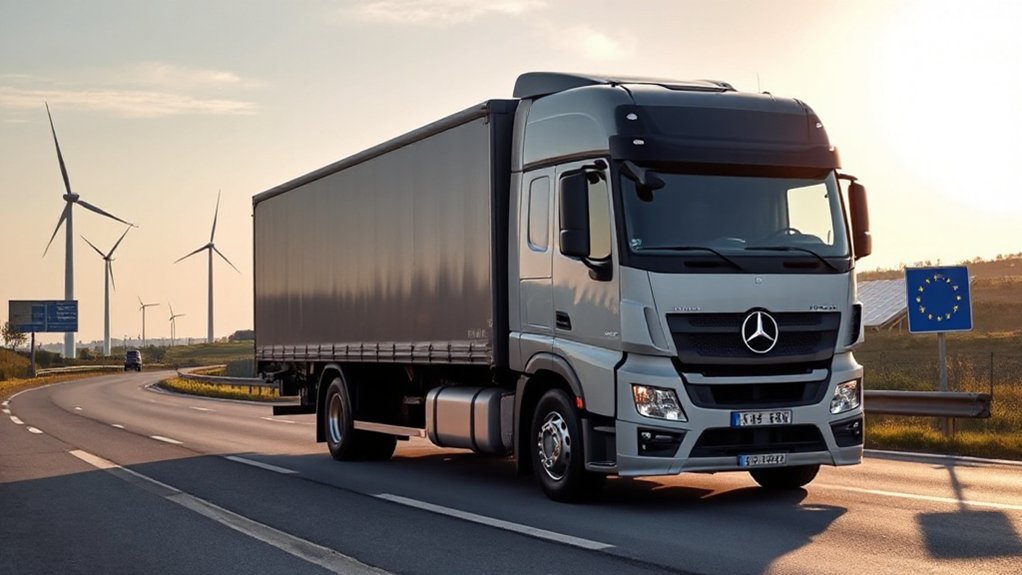
The implications? Enormous. By 2026, battery prices could hit $80/kWh—nearly half of what they were in 2023. At that point, electric vehicles reach the holy grail: cost parity with gas cars, no subsidies needed. Game over for internal combustion.
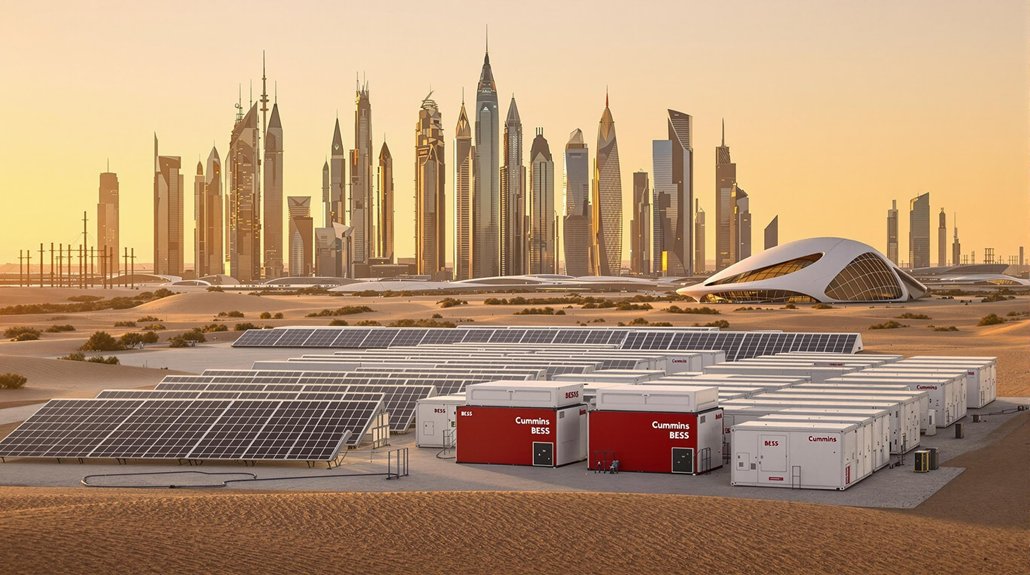
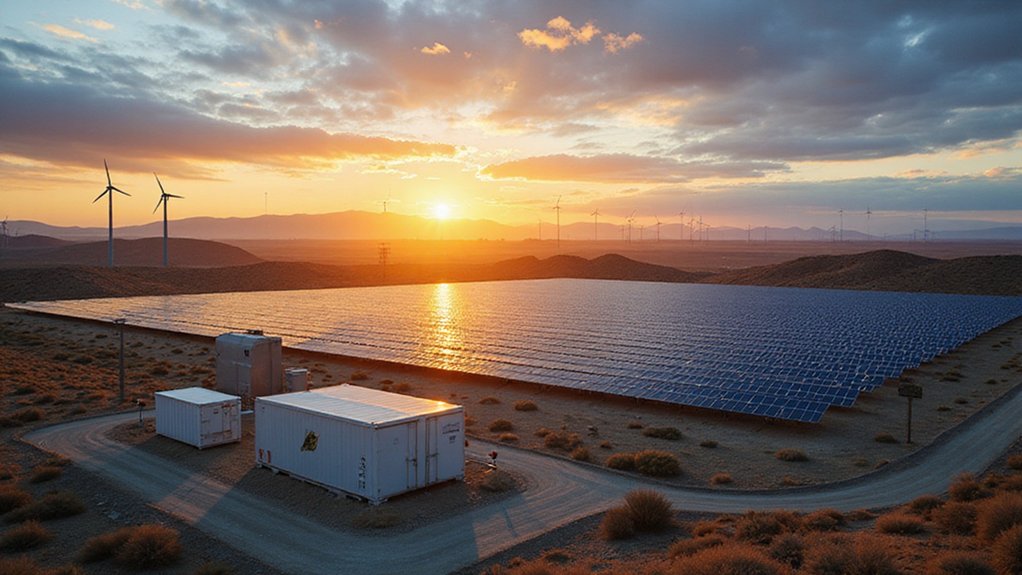
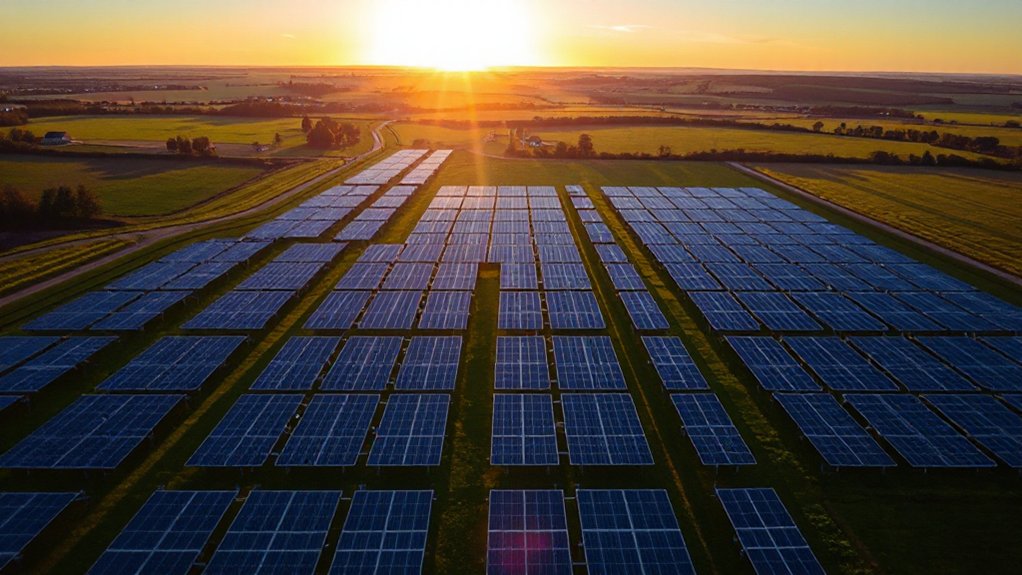
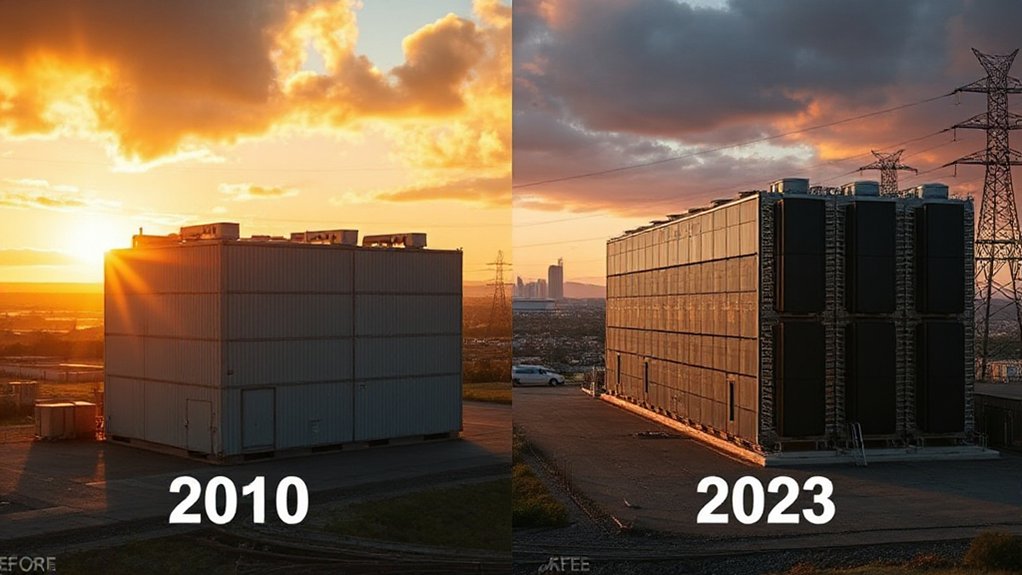
The grid is changing too. Utilities are installing massive battery banks to store solar and wind power, with costs projected to drop another 56% by 2035. The U.S. has already deployed 11.9 GW of battery storage in 2024, with an impressive 18.2 GW planned for deployment next year. Not bad for technology that barely existed commercially fifteen years ago.
Sure, there’ll be bumps. Supply chains get messy. Manufacturers can only cut margins so far. But the trajectory is clear. Cheaper batteries mean cheaper EVs, more renewable energy, and a completely transformed power grid.
Remember when flat-screen TVs cost a month’s salary? Batteries are following the same path. What was once exotic tech for the wealthy few is becoming everyday infrastructure. And it’s happening faster than anyone predicted. That’s what a 97% price collapse does.
References
- https://www.goldmansachs.com/insights/articles/electric-vehicle-battery-prices-are-expected-to-fall-almost-50-percent-by-2025
- https://about.bnef.com/insights/commodities/lithium-ion-battery-pack-prices-see-largest-drop-since-2017-falling-to-115-per-kilowatt-hour-bloombergnef/
- https://www.anernstore.com/blogs/diy-solar-guides/lithium-ion-battery-price-trends-2025
- https://www.electrive.com/2025/08/20/falling-battery-prices-more-electric-cars/
- https://www.spglobal.com/automotive-insights/en/blogs/2025/01/where-are-ev-battery-prices-headed-in-2025-and-beyond
- https://docs.nrel.gov/docs/fy25osti/93281.pdf
- https://source.benchmarkminerals.com/article/benchmark-analysis-lithium-ion-battery-cell-prices-close-in-on-100-kwh-come-of-ev-age-but-is-this-the-end-for-double-digit-declines-2