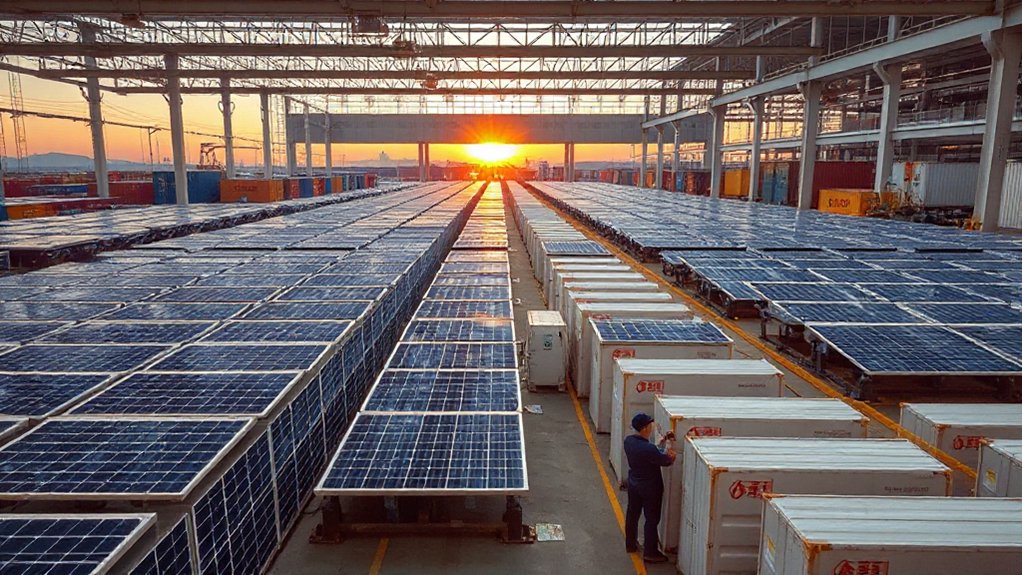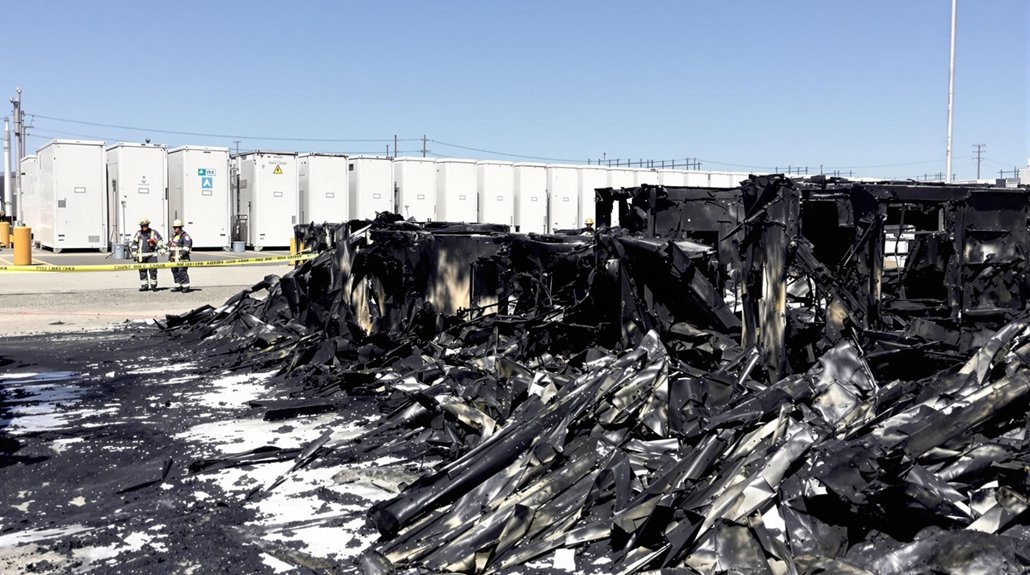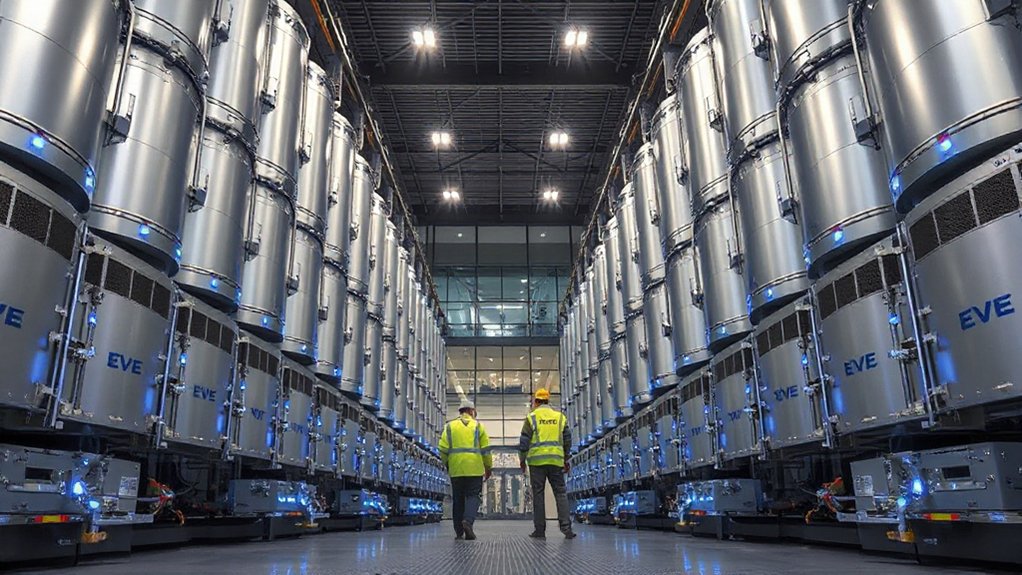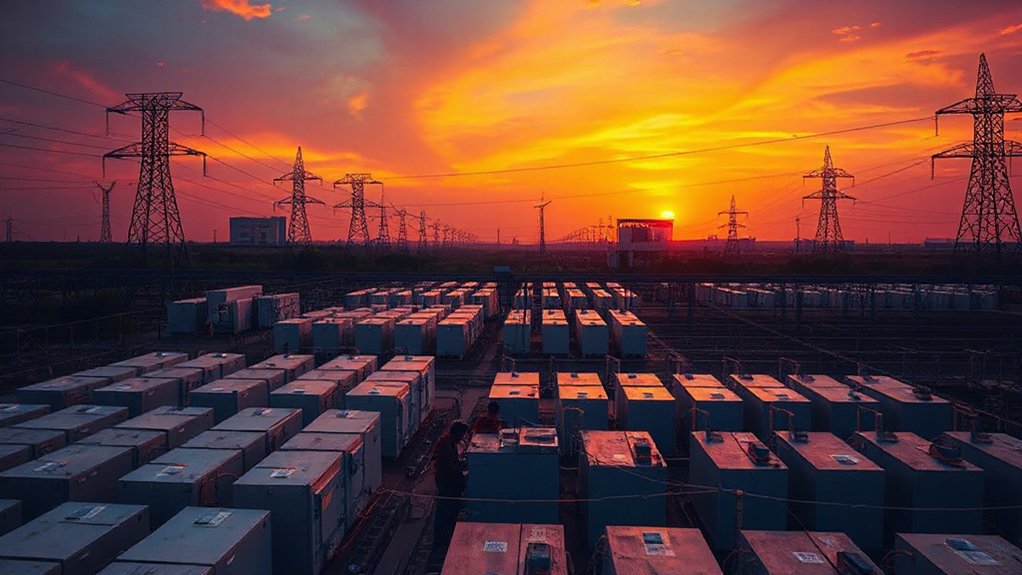
While other states are still figuring out their renewable strategy, Tamil Nadu has gone all-in on energy storage with an ambitious target of 13,581 MW capacity by 2034-35. The state isn’t just talking big—they’re putting money where their mouth is. Already leading the pack in grid-scale battery systems, they’ve launched tenders for seven standalone battery storage projects totaling 375 MW/1,500 MWh. That’s a lot of batteries. Like, seriously a lot.
These aren’t your phone’s batteries, folks. We’re talking industrial-scale power storage spread across places you’ve probably never heard of: Anaikadavu (100 MW), Karamadai (75 MW), and five other substations getting between 25-50 MW each. Each system is designed to charge and discharge 1.5 times daily—basically working harder than most government employees. Successful bidders will enter into a Battery Energy Storage Purchase Agreement with TNPDCL to provide storage capacity on an on-demand basis.
Scale matters: these gigantic batteries handle daily power juggling that would make your smartphone weep in inadequacy.
The funding scheme is actually pretty clever. They’re using Viability Gap Funding to cover up to 30% of costs, which means taxpayers aren’t shouldering the entire burden. Recent procurement rounds saw tariffs between ₹246,000–248,000 per MW/month, with companies like Bondada Engineering and NLC India Renewables winning bids.
But batteries aren’t Tamil Nadu’s only storage trick. They’re betting big on pumped hydro too—500 MW projects in Kanniyakumari and Theni, plus feasibility studies for 11 more totaling 7,500 MW. These projects address the intermittent generation challenges that typically plague renewable energy sources like wind and solar. The state currently has 400 MW operational energy storage capacity as a foundation for its ambitious expansion plans. Good luck getting environmental clearance in the Western Ghats, though!
The whole point? Charging when the sun’s blazing or wind’s howling, then releasing power during those peak evening hours when everyone’s running their AC and watching TV. It’s like saving leftovers for midnight cravings.
Will this massive storage gamble pay off? Tamil Nadu already has over 20 GW of wind and solar capacity that’s as reliable as weather forecasts. Without storage, that’s just expensive intermittent power. With it? Maybe—just maybe—they’ve cracked the renewable puzzle before everyone else.
References
- https://einfews.energyinfra.market/post/tamil-nadu-targets-13-581-mw-energy-storage-capacity
- https://www.enerdata.net/publications/daily-energy-news/tamil-nadu-india-announces-375-mw15-gwh-battery-storage-tender.html
- https://www.eqmagpro.com/tamil-nadu-to-build-indias-largest-2500-mwh-battery-storage-system-to-strengthen-renewable-power-grid-eq/
- https://www.downtoearth.org.in/energy/tamil-nadu-advances-1500-mwh-storage-wind-repowering-initiatives-to-build-a-resilient-renewable-grid
- https://www.resiindia.org/post/tamil-nadu-clears-landmark-1-000-mwh-battery-storage-procurement-to-stabilize-renewable-heavy-grid
- https://india-re-navigator.com/utility/news/6885
- https://energystoragepro.com/2025/11/26/waaree-group-wins-10-mwh-bess-project-in-tamil-nadu-strengthens-position-in-indias-energy-storage-market/
- https://battlink.com/news/battery-energy-storage-systems-tamil-nadu-1-5gwh-tender/