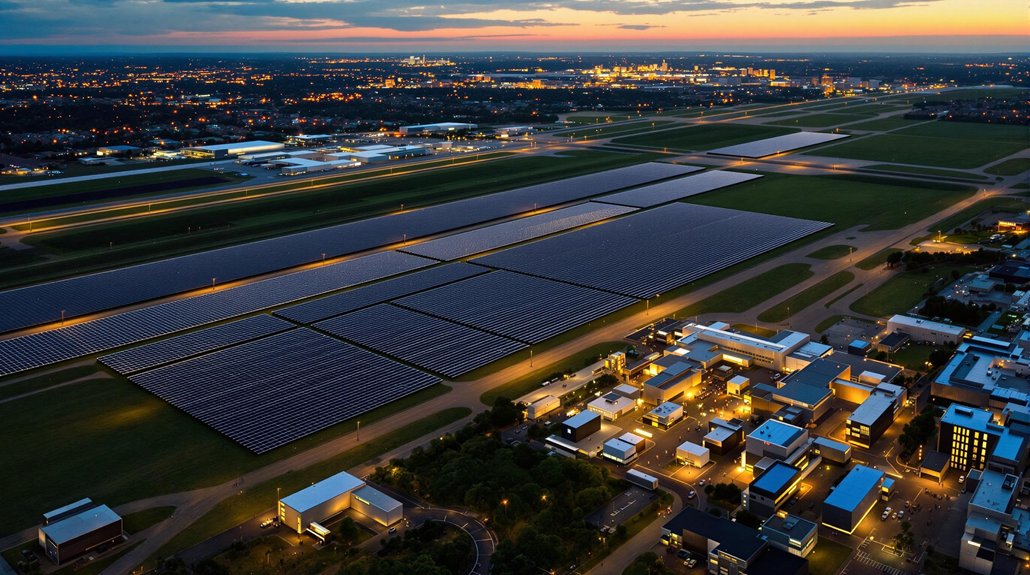
Texas’s biggest companies can’t get power when they need it. The state’s electric grid is too crowded, with a backlog of connection requests from data centers and crypto miners. Companies wait months or years to connect, costing them money and slowing growth. ERCOT, which runs the grid, hasn’t kept up with demand. The problem threatens Texas’s economy and could raise electric bills for everyone. What’s causing this energy traffic jam, and who’s paying the price?
Dozens of major corporations in Texas are hitting roadblocks as they try to connect to the state’s power grid. Companies seeking to build or expand operations face significant barriers in the interconnection process, creating a bottleneck that threatens economic growth.
Texas is experiencing a surge in power demand from data centers, cryptocurrency mining, and oil and gas operations in the Permian Basin. These new energy users need reliable electricity, but the grid can’t keep up. Despite reform efforts, the backlog of projects waiting for connection continues to grow.
The Federal Energy Regulatory Commission (FERC) has stepped in with Order 2023 to improve the interconnection process. However, implementation varies across Texas grid operators. This inconsistency adds to the confusion for corporations seeking power connections.
Federal regulators are stepping in, but inconsistent implementation across Texas grid operators only adds to corporate confusion.
Texas clearly needs more transmission capacity. Studies are underway about potential 765-kV infrastructure benefits, with a major decision expected in early 2025. Without adequate transmission, grid reliability could be at risk, especially as the generation mix changes. The state could benefit from exploring geothermal energy resources as an alternative power source with a 95% availability factor that’s unaffected by weather conditions.
The state’s power generation is shifting toward solar and battery storage, while traditional thermal plants are aging. About 42 percent of thermal generation in ERCOT is over 30 years old. Market economics favor renewables, but experts warn that a balanced portfolio with dispatchable resources remains essential. ERCOT CEO Pablo Vegas has emphasized that maintaining a light regulatory environment is crucial for efficient energy market operations. The decline in energy infrastructure rating reflects these ongoing challenges that compound the grid access issues.
These interconnection barriers could lead to higher consumer costs. Transmission constraints might limit growth in high-demand regions, affecting Texas’ booming economy. The U.S. Department of Energy has developed a roadmap with over 30 potential solutions to address these issues.
Texas infrastructure received only a “C” grade in the 2025 Infrastructure Report Card. Potential legislation could further undermine the grid’s ability to meet forecasted demand. Experts call for greater transparency in interconnection outcomes to improve planning.
As corporate giants continue to flock to Texas, the state’s power authorities face mounting pressure to streamline grid access procedures while maintaining reliability during this period of unprecedented growth.
References
- https://emp.lbl.gov/news/grid-connection-barriers-new-build-power-plants-united-states
- https://www.khou.com/article/travel/texas-infrastructure-grade-2025-report-card/285-67a16688-db59-4f93-b061-8a2ed6f1a863
- https://www.oaoa.com/local-news/legislation-could-undermine-texas-power-grid-ability-to-meet-forecasted-demand/
- https://www.foley.com/insights/publications/2025/02/texas-power-transmission-infrastructure-data-centers-crypto-mining/
- https://www.ercot.com/files/docs/2025/03/14/ERCOT-2024-State-of-the-Grid.pdf