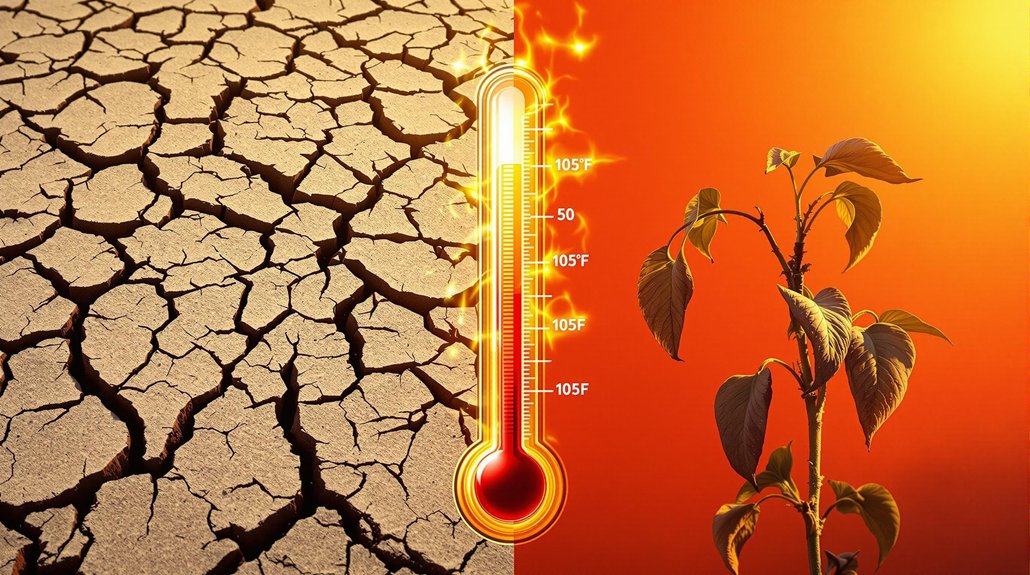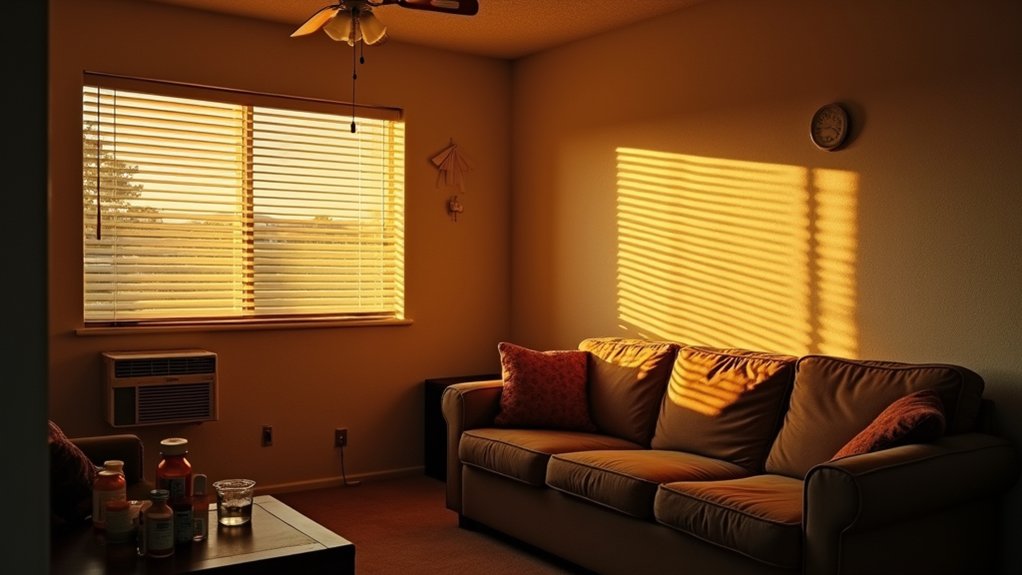
While much attention focuses on outdoor heat dangers, Arizona is facing a deadly indoor heat crisis that’s claiming hundreds of lives each year. Maricopa County alone reported 645 heat-associated deaths in 2023, with over 600 recorded so far in 2024. Shockingly, one in four of these deaths occur indoors, where many assume they’re safe from extreme temperatures.
The elderly face the highest risk of indoor heat death. As people age, their bodies become less efficient at regulating temperature. When combined with living alone, this creates a dangerous situation where heat illness can progress unnoticed until it’s too late. Many seniors don’t recognize warning signs or can’t access help quickly enough.
Arizona’s heat death rate has increased tenfold over two decades, far outpacing other hot states. Maricopa County now records double the heat deaths of Texas despite having a much smaller population. This surge comes as climate change and urban heat island effects create longer, hotter summers.
Housing issues compound the problem. Arizona faces a shortage of about 270,000 housing units, forcing many into substandard living conditions. Mobile homes and poorly insulated apartments trap heat, maintaining dangerous temperatures even after sunset. In built-up areas of Phoenix, sidewalk temperatures can be 20-30°F above official readings, raising temperatures in nearby homes.
Financial pressures make the situation worse. Rising energy costs force many low-income residents to limit air conditioning use or go without it entirely. Power outages during heat waves eliminate cooling access even for those with AC. The combination of high utility bills and soaring rents creates impossible choices for vulnerable residents.
Substance use plays a significant role in heat deaths, involved in up to 58% of cases. This is especially true with stimulants, which can increase body temperature and mask symptoms of heat illness. Recent data indicates that two-thirds of deaths involve substance misuse, highlighting a critical intersection between addiction services and heat safety. These heat-related illnesses are largely preventable with proper education and intervention strategies.
As Arizona’s climate continues to warm, addressing indoor heat has become an urgent public health challenge that affects the state’s most vulnerable residents year after year.
References
- https://economictimes.com/news/international/us/maricopa-county-heat-horror-hundreds-dead-as-arizona-bakes-in-relentless-heatwave/articleshow/123324766.cms
- https://azcapitoltimes.com/news/2025/05/16/arizonas-heat-crisis-is-an-invisible-epidemic-were-ignoring/
- https://www.phoenix.gov/content/dam/phoenix/heatsite/documents/FINAL – 2025 HEAT RESPONSE PLAN.pdf
- https://mapazdashboard.arizona.edu/article/arizonas-heat-related-death-white-paper-full-report
- https://www.weather.gov/psr/heat