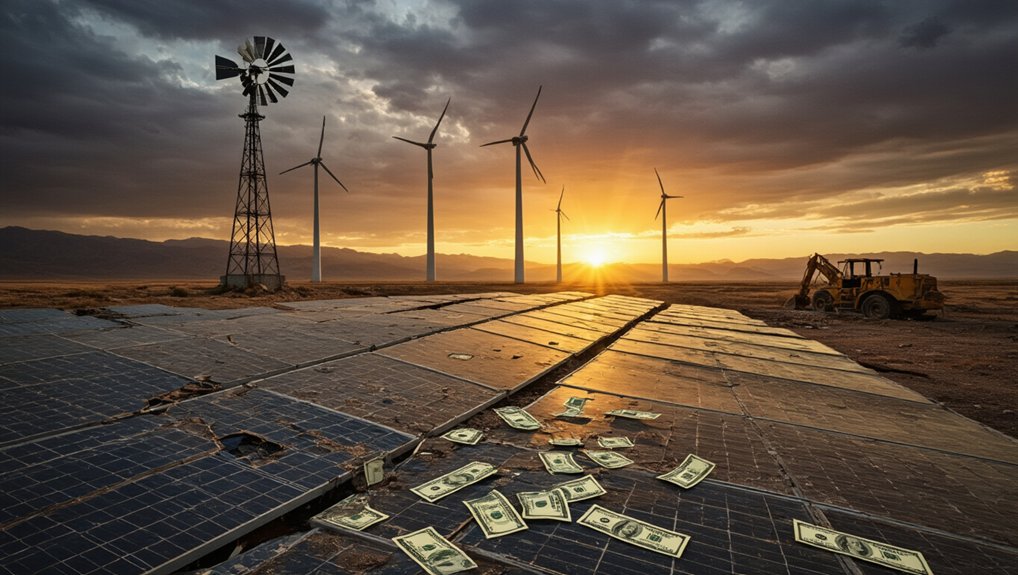
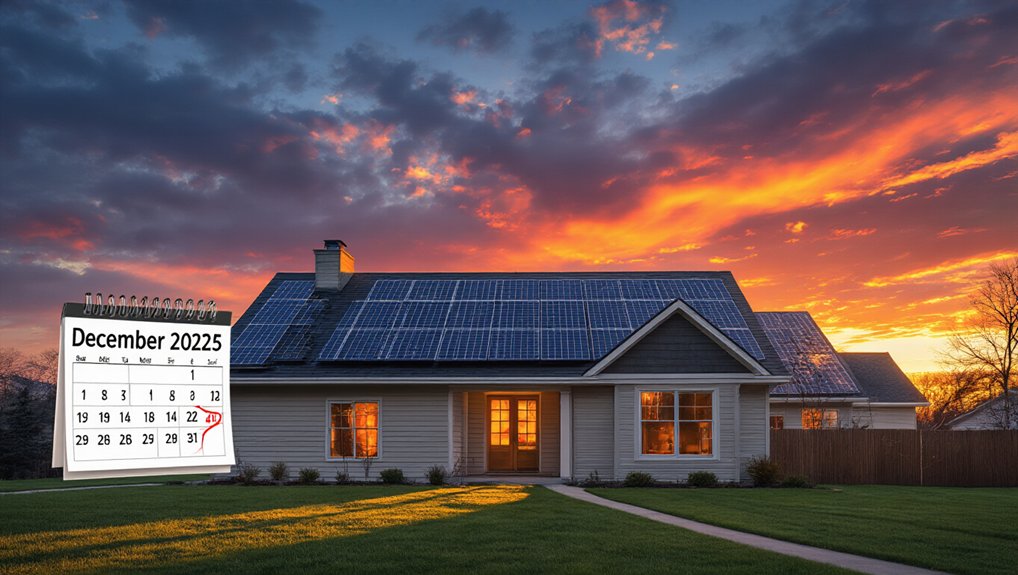
As the Trump administration scales back renewable energy support, farmers are losing access to solar funding they’ve relied on for nearly two decades. On July 4, 2025, President Trump signed the One Big Beautiful Bill, which cuts the residential solar tax credit from 30% to zero by December 31, 2025. This move roughly accelerates what was originally scheduled to phase out in the mid-2030s. While projects installed in 2025 still qualify for the 30% credit, the clock’s ticking for homeowners and farmers wanting to go solar.
The bill isn’t the only hit to rural renewable energy. The USDA announced new REAP program restrictions on August 26, 2025, that effectively shut down funding for solar on productive farmland. The agency won’t fund panels made by foreign adversaries and won’t support ground-mount solar systems larger than 50 kilowatts. Historically, REAP directed 70% of its funding to solar projects over the last decade, making these changes significant for agricultural communities.
A USDA statement describes renewable energy sources as “unaffordable and unreliable.” Wind and solar projects are now ineligible for the Rural Development B&I Guaranteed Loan Program. The agency’s pushing for U.S.-made products in supply chains, but that requirement doesn’t offset the loss of funding opportunities for farmers. Certain projects commencing construction by July 4, 2026, may still access tax credit benefits before new eligibility restrictions take effect.
These restrictions directly impact ranchers and producers who’ve invested in renewable energy. Many farmers can no longer access grants they previously qualified for, and projects without documented historical energy usage lose priority points for remaining REAP funds. The 48E tax credit remains available through 2027 for third-party owned solar systems, offering an alternative pathway for some agricultural operations. Scientists and advocates warn that funding cuts like these hamper evidence-based policy-making on climate impacts, leaving rural communities with fewer tools to adapt to increasing extreme weather events that cause significant economic losses.
Despite these setbacks, the U.S. solar industry is booming. Companies and homeowners are rushing to install panels before the tax credit expires. The Solar Energy Industries Association is tracking these policy changes closely.
Lawmakers are considering whether the Farm Bill can fill the funding gap left by REAP’s restrictions. The Farm Bill could potentially restore farmer energy funding and counter USDA restrictions on rural solar installations. For now, farmers facing these cuts are watching to see if Congress will step in with alternatives before 2026 arrives.
References
- https://solarbuildermag.com/policy/trump-usda-shuts-down-reap-funding-for-solar-to-aid-farmers/
- https://www.solar.com/learn/trump-and-the-fate-of-the-30-solar-tax-credit/
- https://seia.org/research-resources/clean-energy-provisions-big-beautiful-bill/
- https://www.intermtnwindandsolar.com/what-the-end-of-30-federal-solar-tax-credits-means-for-you/
- https://www.youtube.com/watch?v=KwNbIfM9QzM
- https://www.canarymedia.com/articles/solar/trump-blocks-reap-funding-farmers