President Trump has launched a sweeping push to make the United States the world’s top energy power. He’s created a new National Energy Council led by North Dakota Gov. Doug Burgum. The council has broad control over federal agencies that handle energy permitting, production, and regulation. Trump’s “drill, drill, drill” pledge aims to boost U.S. oil and gas output and sell more energy to allies around the world.
There’s a catch, though. U.S. oil production already hit record levels under the Biden administration. The federal government can’t force private companies to drill more. Energy analyst Kevin Book has said dominance is “an opportunity, not a requirement” for the oil industry. Companies make drilling decisions based on global supply and demand. More production could actually lower prices and cut into their profits.
Trump also promised to bring gasoline below $2 per gallon. The national average sat at $3.06 at the time of reporting. Analysts have called the $2 target “highly unlikely.” They’ve said his campaign pledge to cut fuel prices in half within 12 months isn’t remotely possible.
Trump’s tariff plans add another wrinkle. He’s threatened 25% import tariffs on Canada and Mexico. Both countries are major sources of U.S. oil imports. The oil industry has warned these tariffs could raise prices and hurt national security. American refiners depend on crude oil imports for affordable fuel production. That conflicts directly with the goal of cheaper energy.
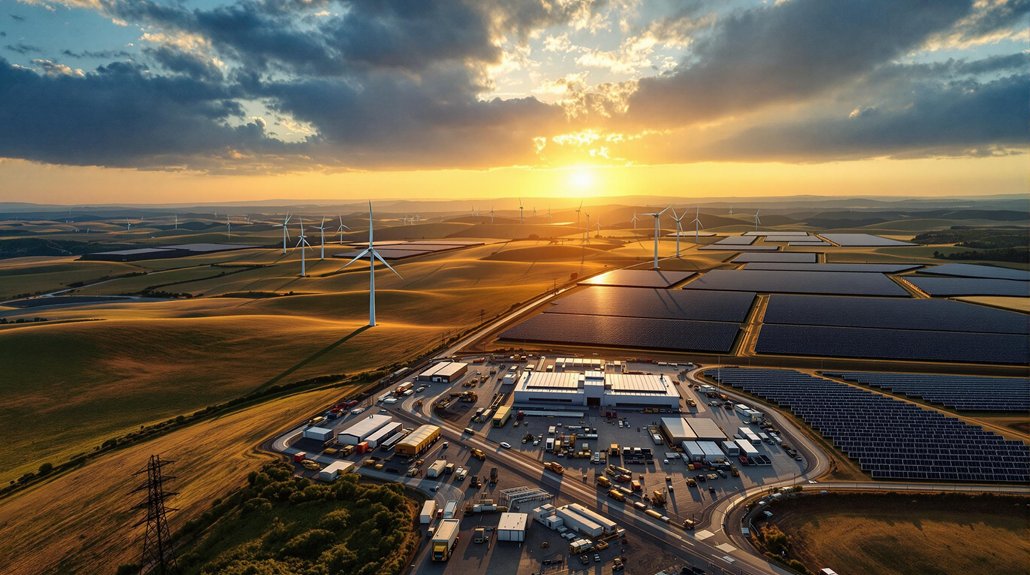
The energy council’s mandate does include expanding all forms of energy, not just oil and gas. That covers wind, solar, geothermal, and nuclear power. Trump has also voiced support for the development of small modular nuclear reactors as part of the broader energy strategy. Solar is already the cheapest source of new electricity in many markets. Republican-led states have added thousands of renewable energy jobs in recent years. Wind energy costs have fallen by 70% in the last decade, making it one of the most competitive power sources available today.
A major driver behind the push is artificial intelligence. Trump wants to increase power generation to support AI and data centers. Burgum has tied cheap electricity to America’s ability to compete in AI across defense, healthcare, and education.
Tech companies need massive amounts of power for their data centers. The question remains whether those companies will absorb the cost or whether it’ll end up on consumers’ electric bills.
References
- https://www.manufacturing.net/energy/news/22927609/trumps-call-for-energy-dominance-is-likely-to-run-into-realworld-limits
- https://www.youtube.com/watch?v=Hlptmxm8I6g
- https://www.youtube.com/watch?v=yEmC2ORP-5I
- https://www.nbc26.com/politics/trump-outlines-energy-policy-in-first-stops-of-an-issues-focused-campaign-tour
- https://www.youtube.com/watch?v=gPZfPPQbt9Q
- https://www.rinnovabili.net/policy-and-affairs/environmental-policies/u-s-elections-2024-trump-and-harriss-promises-on-energy-and-climate/
- https://www.foxbusiness.com/video/6361940827112