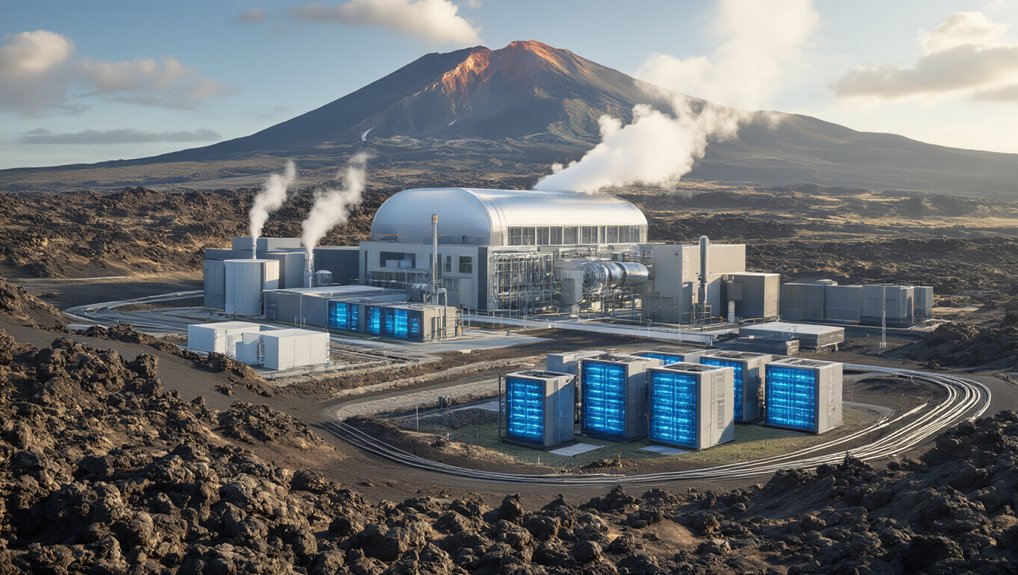
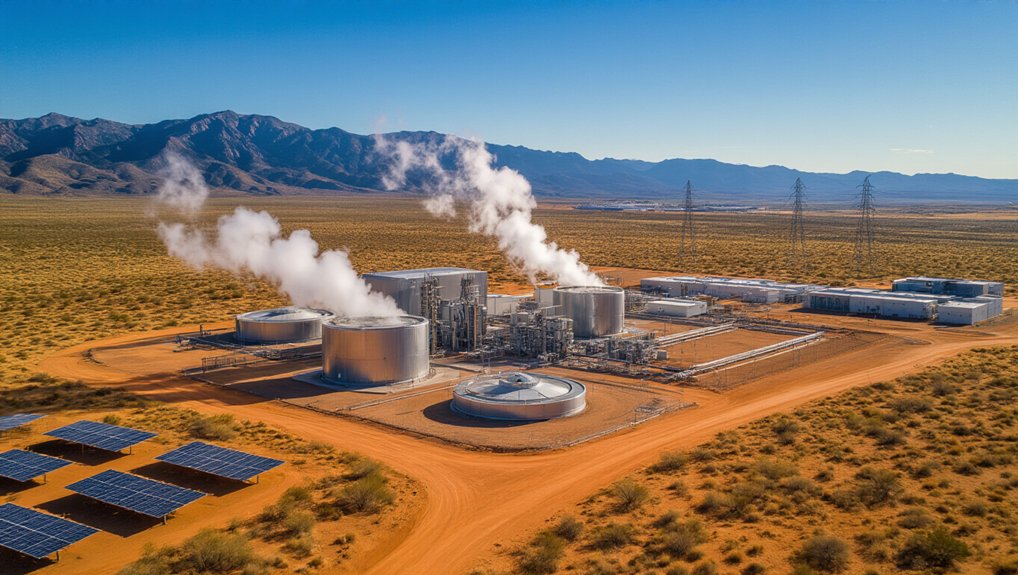
Turkey’s government is auctioning three geothermal zones worth up to 57 million Turkish lira on April 15, 2026. This auction represents a step in the country’s effort to expand its geothermal energy sector. The event comes as Turkey continues developing renewable energy sources alongside nuclear and offshore wind projects.
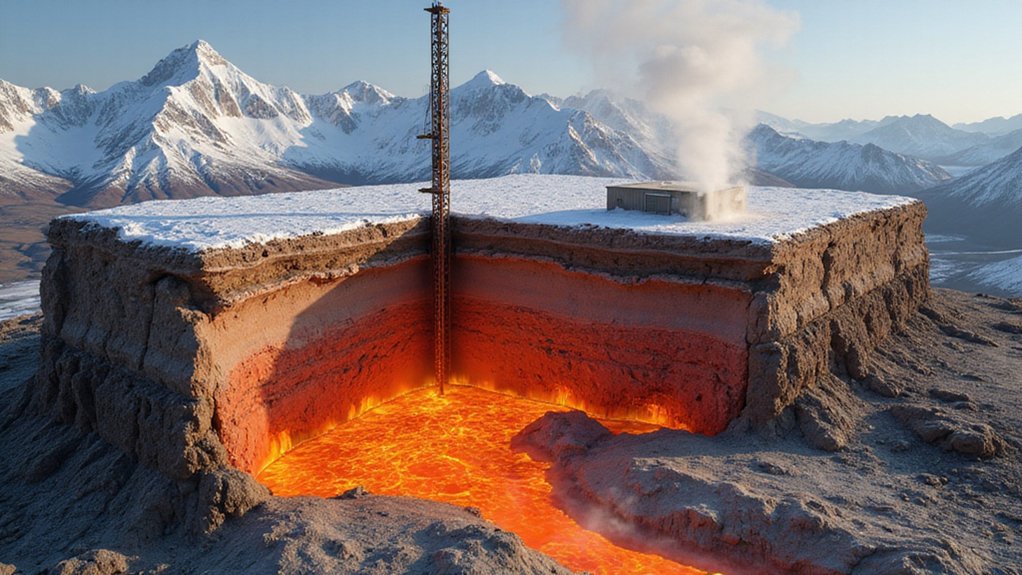
Turkey ranks fourth globally in installed geothermal capacity, with 1.7 gigawatts of electrical power currently in operation. The country’s geothermal resources are vast. Approximately 1,000 geothermal springs exist across Turkey, and the nation’s theoretical capacity reaches an estimated 31,500 thermal megawatts. About 90 percent of these resources work well for direct heating applications, while 10 percent can generate electricity. These resources come from tectonic activity beneath the Anatolian Peninsula.
The upcoming auction follows recent exploration activity. In Bitlis, three exploration areas totaling 4,800 hectares in Yukarisüphan Village were previously tendered with an estimated value of 350,339 Turkish lira. Turkey’s government continues expanding geothermal development through multiple initiatives. Turcas Petrol AS, a major geothermal investor, has announced plans to double geothermal installed capacity in the medium term.
Geothermal energy currently powers several sectors in Turkey. The technology generates electricity for the national grid. It also heats greenhouses and homes, supports thermal and health tourism, aids in industrial mineral mining, and assists in agricultural drying operations. The Medium Term Program for 2024 to 2026 specifically targets increased agricultural production using geothermal resources, including the development of greenhouse organized agricultural zones. These geothermal-based zones represent a key measurable sector target for re-increasing agricultural lands that have faced losses over recent decades.
Support mechanisms help drive geothermal expansion. Turkey’s YEKDEM feed-in tariff guarantees geothermal producers around $0.105 per kilowatt-hour. The government also uses auctions and considers the sector’s high capacity factor of 91.3 percent, which translates to 8,000 operating hours yearly. Geothermal energy’s roughly 95% availability factor makes it especially attractive for grid planners seeking consistent baseload power without dependence on weather conditions. Recent legislative reforms and market liberalization efforts aim to strengthen the industry further.
The April 2026 geothermal auction fits into Turkey’s broader energy transformation. That same year, the nation expects to launch its first nuclear reactor at Akkuyu, double Black Sea gas production, and conduct offshore wind tenders. These developments reflect Turkey’s commitment to diversifying its energy portfolio and reducing dependence on fossil fuels. The country plans a significant nuclear contribution, targeting up to 10 to 15 percent of its electricity from nuclear sources by 2050.
References
- https://www.hortidaily.com/article/9563260/turkey-sets-geothermal-goals-in-medium-term-economic-program/
- https://www.aa.com.tr/en/energy/finance/turcas-petrol-to-double-geothermal-capacity-in-mid-term/19226
- https://www.thinkgeoenergy.com/three-geothermal-exploration-areas-in-bitlis-turkiye-going-up-for-tender/
- https://oilprice.com/Latest-Energy-News/World-News/Turkey-Eyes-Major-Energy-Breakthroughs-In-2026.html
- https://www.kapsarc.org/our-offerings/publications/geothermal-market-growth-in-tuerkiye-policy-and-legislative-insights-for-new-market-entrants/
- https://www.tgs4c.com/news/turkey-plans-first-offshore-wind-tender-for-2026-nid32373.html
- https://www.thinkgeoenergy.com/turkish-market-authority-to-consider-high-capacity-factor-of-geothermal-in-production-figures/
- https://giftsandentertainment.roche.com/open-outlook/turkeys-renewable-energy-projects-a-bright-future-1767648870