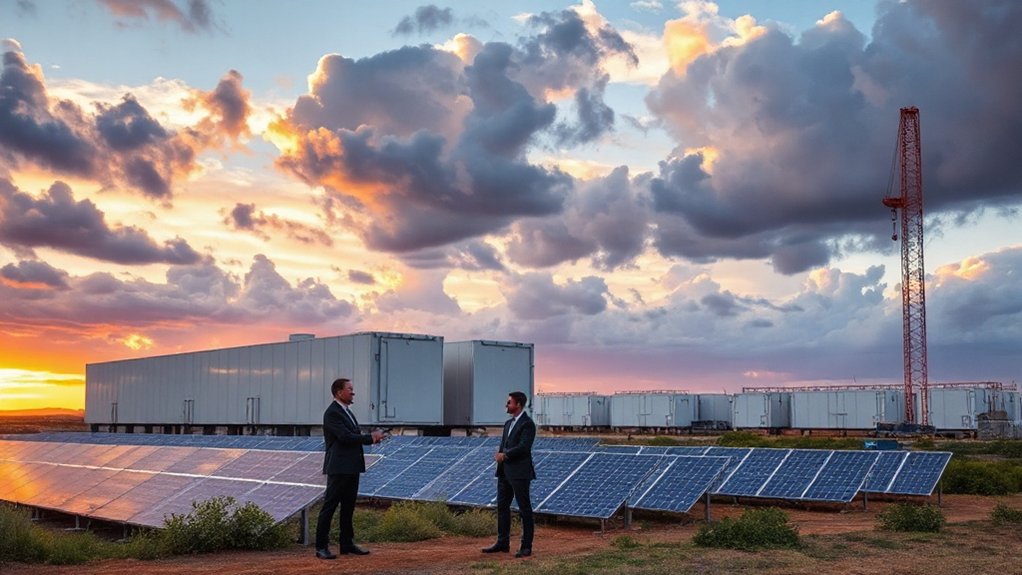
TÜV SÜD is diving headfirst into the complex world of hydrogen safety, offering a suite of testing and certification services that could make or break the future of this volatile energy carrier. The German testing giant doesn’t mess around when it comes to hydrogen – they’re fully accredited by DAkkS to test and certify hydrogen systems according to ISO 22734:2019. Not exactly bedtime reading, but critical stuff for anyone who doesn’t want their hydrogen facility to become an impromptu rocket.
Their testing capabilities are impressive, if not a bit obsessive. Small systems up to 150 kW get the full treatment at their Garching and Straubing facilities. As an independent testing provider, TÜV SÜD maintains objectivity throughout the certification process. Bigger systems? They’ll come to you. How thoughtful. Once everything passes muster, manufacturers get the coveted “hydrogen system” test mark – basically a fancy sticker that says “probably won’t explode.”
Material compatibility is another specialty. Because, surprise, not everything plays nice with hydrogen. Their component testing helps manufacturers get products to market faster. Nothing says “trust us” quite like a TÜV SÜD stamp of approval. They’re particularly focused on preventing risks associated with hydrogen’s high flammability risk, which can lead to explosions in confined spaces due to leaks.
When hydrogen meets the wrong material, boom goes your innovation. TÜV SÜD ensures that doesn’t happen.
The company’s Korean branch is going all-in on hydrogen too, with six facilities and 170 staff members supporting the local hydrogen ecosystem. They’ve partnering with regional labs to expand testing capabilities. Smart move in a country betting big on hydrogen.
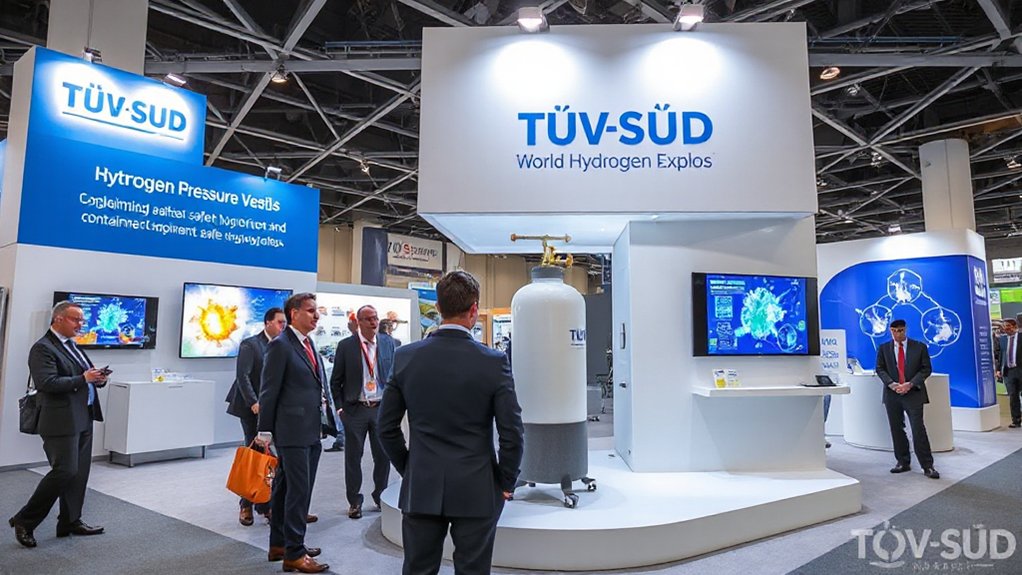
At World Hydrogen Expo 2025, TÜV SÜD will showcase these services while hosting a masterclass on de-risking hydrogen projects during World Hydrogen Week. They’re providing comprehensive solutions for safe hydrogen implementation that focus on compliance and rapid project execution. They’ve even teamed up with Munich Re to tackle both technical and financial risks. Because what’s scarier than a hydrogen leak? Losing money on a hydrogen project.
Their training programs cover the entire hydrogen value chain – from production to utilization. They’re teaching everyone how not to blow things up while maneuvering through the regulatory maze.
Real-time monitoring technology rounds out their offerings, letting operators spot problems before they become disasters. Turns out, keeping hydrogen in check is a full-time job.
References
- https://www.emove360.com/tuev-sued-fuer-pruefung-und-zertifizierung-von-wasserstofferzeugungssystemen-nach-iso-22734-akkreditiert/
- https://www.home-of-welding.com/news/tuv-sud-ensures-safety-of-hydrogen-technologies-5831
- https://www.renewableenergymagazine.com/hydrogen/t-v-s-d-joins-world-hydrogen-20251127
- https://www.youtube.com/watch?v=C9smcmrJ_tg
- https://www.pressebox.com/pressrelease/tuev-sued-ag/driving-forward-safe-hydrogen-technologies/boxid/1267473