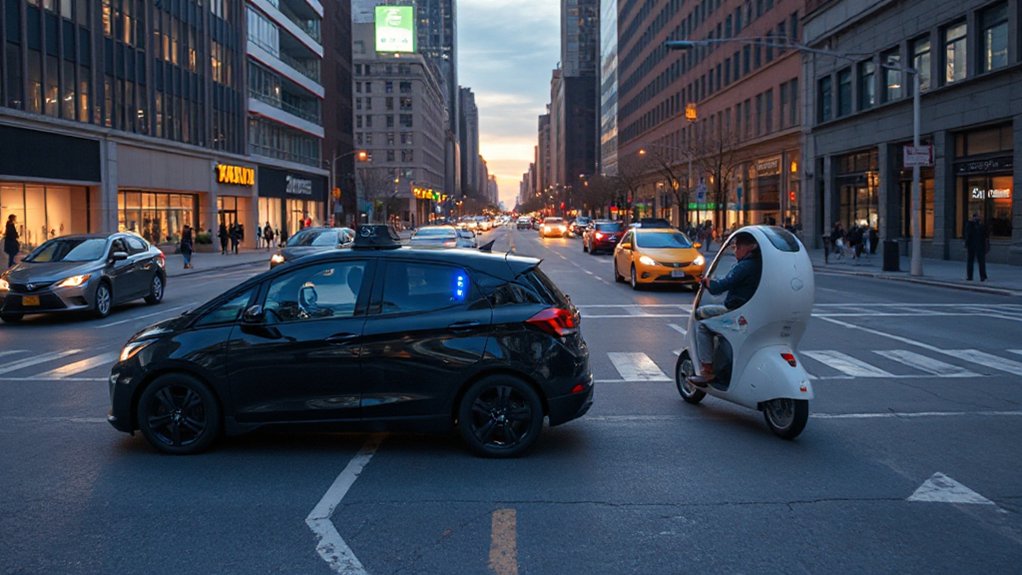
In a massive power move that screams “humans need not apply,” Uber has dropped $300 million into Lucid’s lap to kickstart their robotaxi dreams. The deal, finalized September 4, 2025, isn’t just throwing cash at a problem – it’s a calculated strategy to dominate the future of transportation. No drivers. No breaks. Just algorithms and electricity.
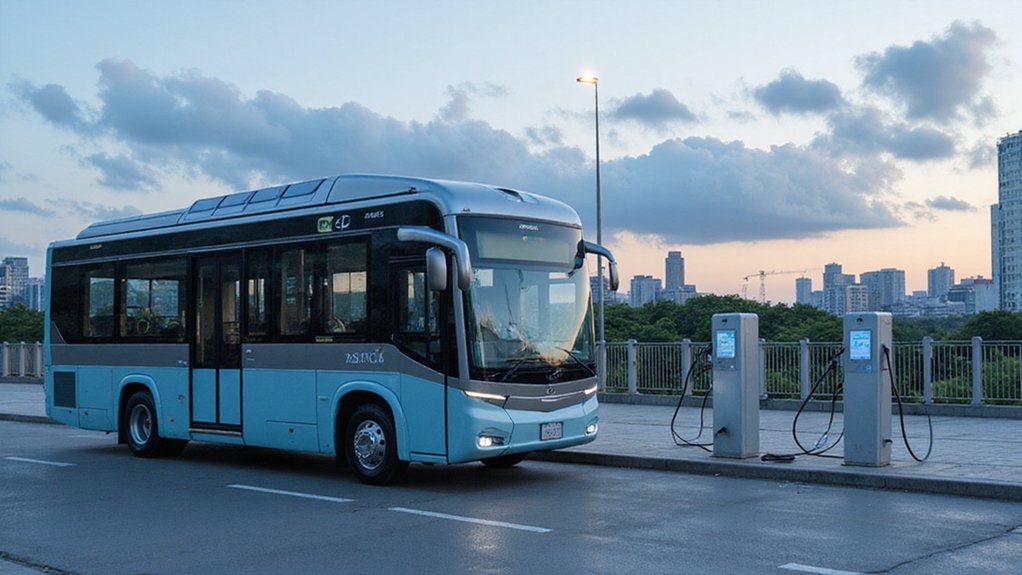
The robotaxi fleet will run on Lucid’s Gravity architecture, boasting a ridiculous 450-mile range per charge. That’s not just showing off; it’s about keeping these money-makers on the road instead of at charging stations. Smart business.
The vehicles will come equipped with Nuro Driver Level 4 autonomy system, which is tech-speak for “this car drives better than your uncle after Thanksgiving dinner.” The vehicles are designed to provide premium global robotaxi service exclusively on Uber’s ride-hailing platform. Production is set for Lucid’s Arizona facility, with the first launch in late 2026 in some lucky U.S. city. Uber plans to deploy a staggering 20,000+ Lucid vehicles over six years. Taxi drivers everywhere just felt a chill down their spines.
Welcome to the robot chauffeur revolution. Your human driver was just a speed bump on the road to automation.
“Our innovations are second to none,” boasted Marc Winterhoff, Lucid’s Interim CEO, while Uber’s CEO Dara Khosrowshahi gushed about the “autonomous driving magic” they’re creating. Sure, guys. Magic for everyone except the millions who drive for a living.
The partnership creates a triple threat: Lucid’s EV platform, Nuro’s self-driving brains, and Uber’s massive global network across 70 countries with 34 million daily trips. That’s not just disruption – it’s an extinction-level event for traditional taxi services.
Looking forward, Uber has plans to scale to 100,000 vehicles starting in 2027. The first prototype is already operating autonomously on a closed circuit in Las Vegas, proving this isn’t just corporate daydreaming. These vehicles are designed with redundant electrical systems that significantly enhance safety for passengers while eliminating the possibility of human error.
The message is clear: Uber sees a multi-trillion-dollar autonomous future, and they’re racing to get there first. Human drivers were always just a temporary inconvenience on the way to this moment.
References
- https://ev.com/news/lucid-closes-300m-uber-investment-to-build-robotaxi-fleet
- https://www.prnewswire.com/news-releases/lucid-announces-closing-of-300-million-investment-from-uber-302546092.html
- https://media.lucidmotors.com/en/newsitem/1044-lucid-announces-closing-of-300-million-investment-from-uber
- https://www.autoremarketing.com/ar/retail/lucid-closes-300m-robotaxi-investment-from-uber-debuts-ad-campaign-featuring-oscar-nominees/
- https://investor.uber.com/news-events/news/press-release-details/2025/Lucid-Nuro-and-Uber-Partner-on-Next-Generation-Autonomous-Robotaxi-Program/default.aspx
- https://247wallst.com/investing/2026/01/06/uber-technologies-is-the-robotaxi-winner-of-2026/
- https://www.aztechcouncil.org/ubers-300m-lucid-investment-confirms-phoenix-built-robotaxis/
- https://www.wardsauto.com/news/archive-auto-lucid-group-closes-300m-investment-uber-nuro-gravity-robotaxi/759789/
- https://electrek.co/2026/01/05/lucid-uber-nuro-unveil-production-intent-gravity-robotaxi/