American bombers have obliterated three key Iranian nuclear facilities in a stunning military escalation that threatens to rewrite Middle Eastern geopolitics overnight. The Sunday morning strikes targeted sites at Fordow, Natanz, and Isfahan, using B-2 stealth bombers that entered and exited Iranian airspace without losses.
President Trump wasted no time declaring the operation “very successful” on social media before making any formal address. Talk about shooting first, tweeting later.
Breaking news, tweeting later: Trump declares success before official confirmation hits the airwaves.
This isn’t your typical Middle East skirmish. It’s the ninth night of the Israel-Iran war, and the US just crashed the party with a bang—literally. The White House reportedly tried the diplomatic route first, attempting to establish communication with Supreme Leader Ali Khamenei, who’s apparently gone into hiding. Shocker. When diplomacy failed, bombs followed.
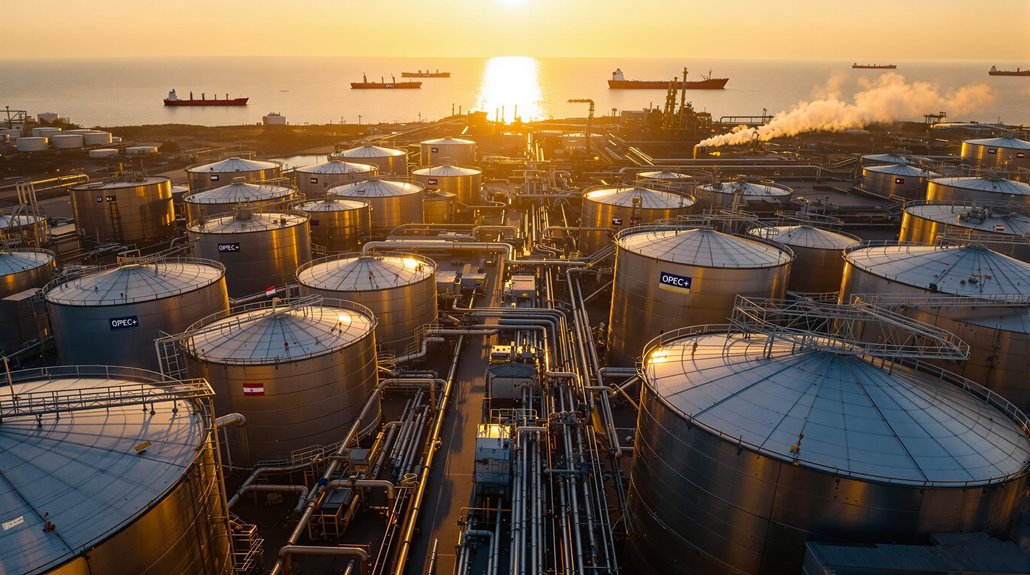
Markets are bracing for chaos when trading resumes. Oil prices could rocket toward $100 per barrel, while stocks prepare for a serious case of the jitters. Investors are expected to flock to safe havens like gold, US Treasury bonds, and the dollar.
The initial panic will likely be a knee-jerk reaction, but longer-term impacts depend on what happens next. Historical data suggests that despite initial declines, markets typically show resilience after conflicts.
And a lot could happen.
The strikes represent a historic shift in US policy. Never before has America directly targeted Iranian nuclear infrastructure. The decision wasn’t made in isolation—Israeli officials received advance notification, suggesting coordination between Trump and Israeli leadership.
Now comes the waiting game. Iran will almost certainly retaliate, potentially against US troops and assets scattered across the Middle East. President Trump claims “Fordow is gone,” but concrete details about damage and casualties remain scarce. The Iranian Foreign Minister Abbas Araghchi has already stated that all defense options are available for Iran’s response.
The conflict could easily expand, pulling in more regional players. This escalation threatens to disrupt global energy security at a time when natural gas was helping reshape international energy markets. One thing’s clear: this isn’t just another day in the Middle East. It’s a fundamental reshuffling of the deck. And everyone’s holding their breath to see who draws what cards next.
References
- https://www.axios.com/2025/06/21/us-strike-iran-nuclear-israel-trump
- https://economictimes.com/news/international/global-trends/investors-brace-for-oil-price-spike-rush-to-havens-after-us-bombs-iran-nuclear-sites/articleshow/122000979.cms
- https://kathmandupost.com/world/2025/06/22/investors-brace-for-oil-price-spike-rush-to-havens-after-us-bombs-iran-nuclear-sites
- https://www.argusmedia.com/en/news-and-insights/latest-market-news/2701847-us-bombs-nuclear-sites-in-iran
- https://www.thedailystar.net/business/global-economy/news/investors-brace-oil-price-spike-rush-havens-after-us-bombs-iran-nuclear-sites-3922751