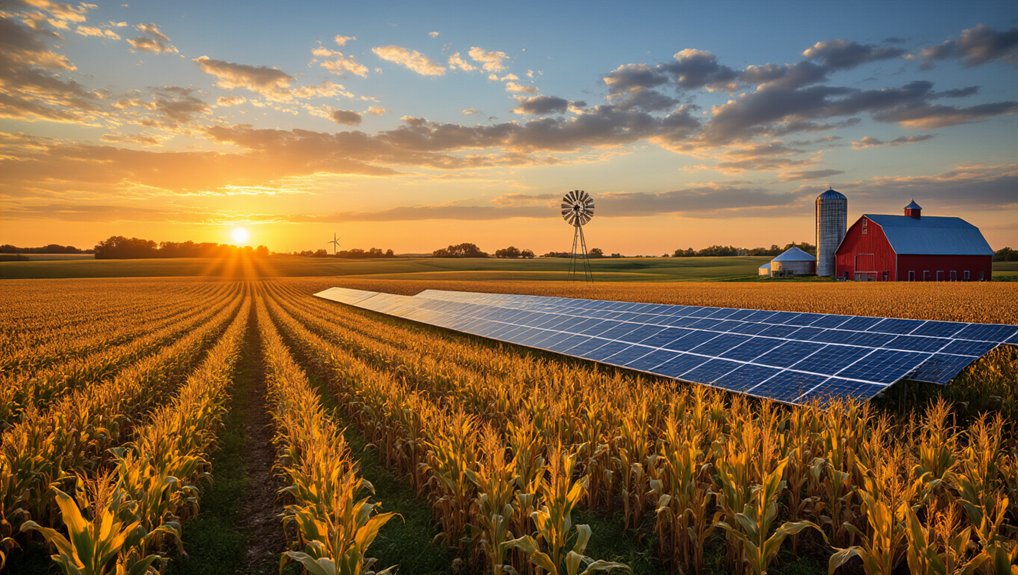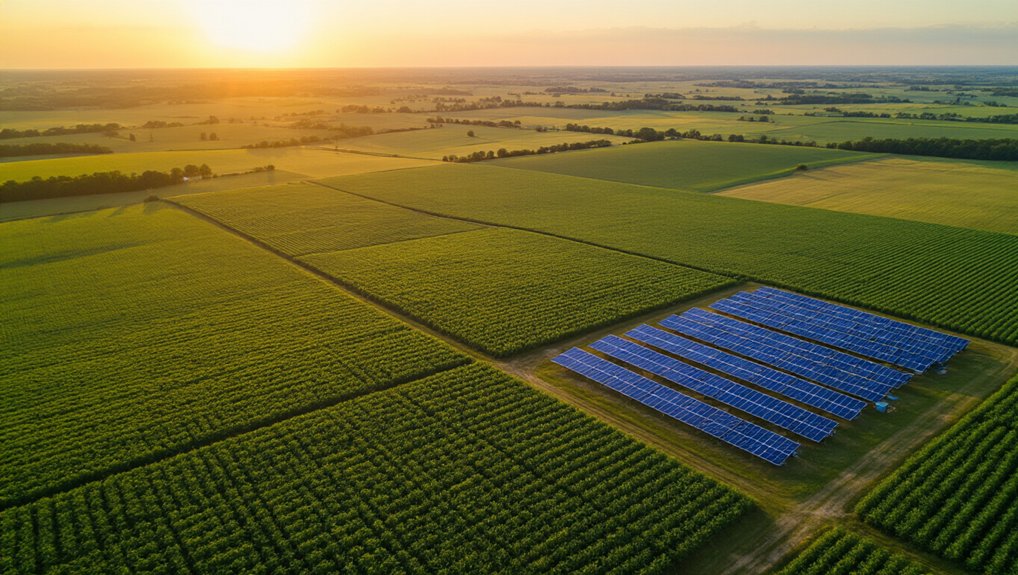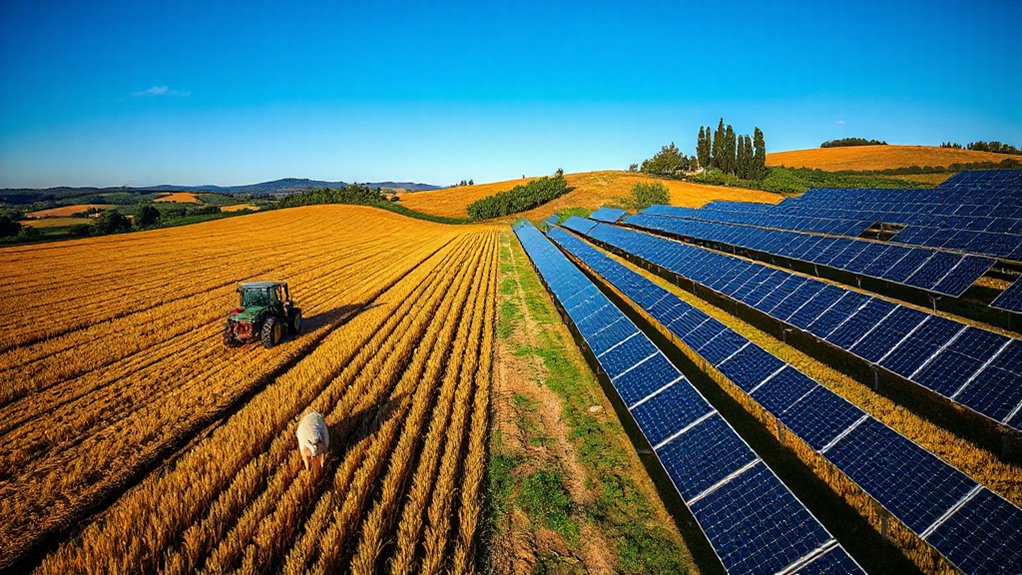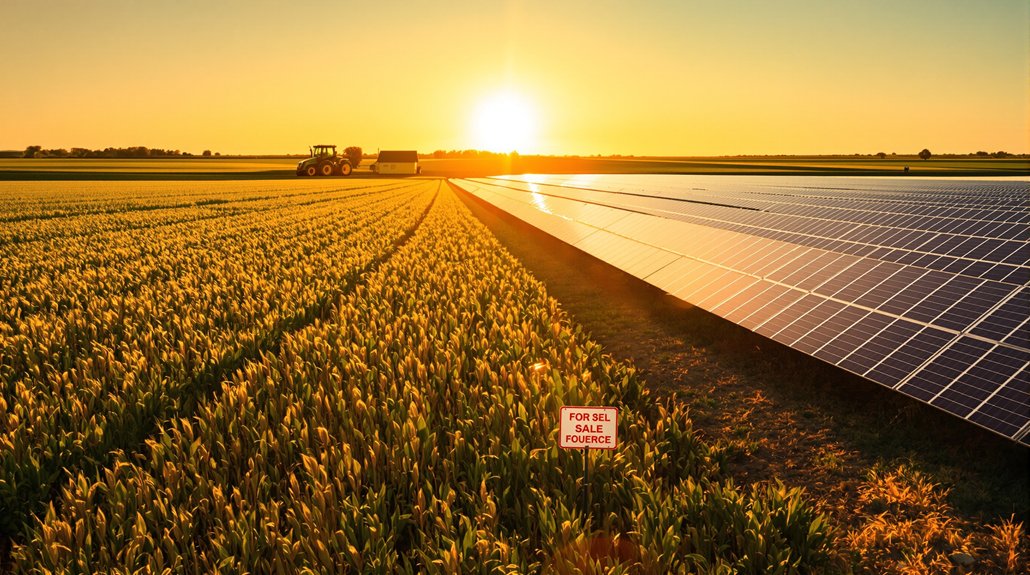
The USDA slammed the door on solar subsidies last week, announcing a sweeping ban on all funding for solar energy projects on U.S. farmland beginning August 2025. The decision, disclosed by Agriculture Secretary Brooke Rollins, follows a July executive order signed by President Donald Trump and effectively terminates all USDA programs that previously supported solar panels on productive agricultural land.
Rollins didn’t mince words during her announcement in Lebanon, Tennessee. Standing before Future Farmers of America members, she declared the policy would “protect family farms” from what she called market-distorting incentives. Wind projects and Chinese-made solar panels? Also on the chopping block.
USDA’s war on renewables protects family farms from those pesky market-distorting incentives. Goodbye solar, farewell wind, sayonara Chinese panels.
The numbers tell a grim story. Tennessee alone has hemorrhaged over 1.2 million acres of farmland in three decades. Nationwide, solar panels on agricultural land have surged nearly 50% since 2012. Not exactly small potatoes.
“We’re returning the USDA to its roots,” Rollins proclaimed, surrounded by nodding Republican officials. Because apparently helping farmers install solar panels was some radical departure from agriculture. Who knew?
The ban’s reach extends beyond just Tennessee, with potential ripple effects across Oklahoma, Kansas, and Texas. No more business and industry loan guarantees for wind and solar. No more grants for building solar farms on fertile soil. Done. Finished.
According to Rollins, these subsidized solar projects drive up farmland prices, making it nearly impossible for young farmers to get started. Millions of prime acres rendered “unusable” by solar panels. A study by the Tennessee Advisory Commission contradicts this claim, finding that solar facilities won’t be a primary driver of development for decades. Between eminent domain, development, and now supposedly solar farms, affordable farmland is vanishing faster than free samples at Costco.
Critics of the previous administration claim the government “became an agent of farmland destruction” through climate-focused initiatives. The new USDA leadership promises to prioritize actual food production over energy generation.
Local battles over large solar projects in states like Oklahoma were specifically referenced as cautionary tales. The message was clear: this administration believes American farmland should grow crops, not capture sunlight. At least not on the government’s dime.
The policy change marks a stark reversal from the previous administration which had provided over $2 billion in funding for renewable energy projects including solar and wind farms.
References
- https://www.dtnpf.com/agriculture/web/ag/news/article/2025/08/19/ag-secretary-ends-programs-solar
- https://farmpolicynews.illinois.edu/2025/08/usda-ending-loan-support-for-solar-projects-on-farmland/
- https://www.usda.gov/about-usda/news/press-releases/2025/08/19/secretary-rollins-blocks-taxpayer-dollars-solar-panels-prime-farmland
- https://www.okenergytoday.com/2025/08/usda-to-stop-subsidies-for-solar-projects-that-take-up-us-farmland/
- https://www.aol.com/usda-limits-funding-solar-wind-161640670.html