Seasoned forest management experts are raising serious concerns about a proposed new wildfire agency that could threaten public lands. The veterans warn that this new agency might disrupt existing frameworks that federal and state forest agencies have established over decades.
The proposed agency could create bureaucratic overlap, leading to inefficiency and poor communication during fire response. Foresters fear that valuable ecological and resource management expertise built by established agencies could be pushed aside by policy changes.
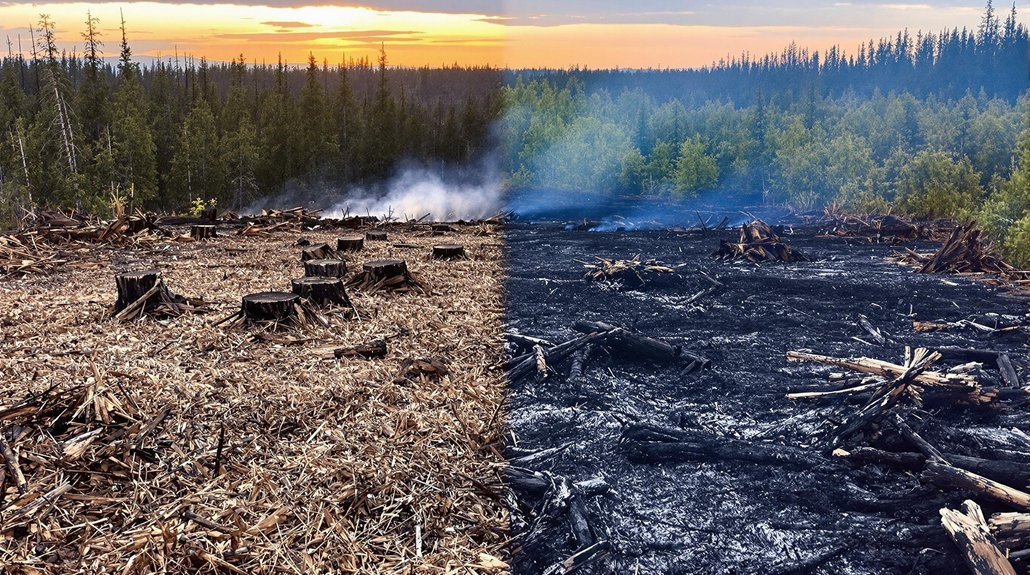
Current wildfire management has shown progress. The Forest Service treated over 800,000 acres in high-risk areas for fiscal year 2024. Since 2022, the Wildfire Crisis Strategy has treated 1.86 million acres. These efforts protect $700 billion in housing and infrastructure, 550 at-risk communities, and 2,500 miles of high-voltage power lines.
Interagency coordination remains vital for wildfire mitigation. Experts worry that a new agency would add unnecessary layers to an already complex system. The current approach relies on partnerships between state, Tribal, and federal agencies, which has proven effective for both prevention and response.
Federal funding currently supports wildfire management strategies. Veteran foresters caution against shifting funds or changing administrative focus without proof that outcomes will improve. They argue that success often comes from long-term investment and experienced management.
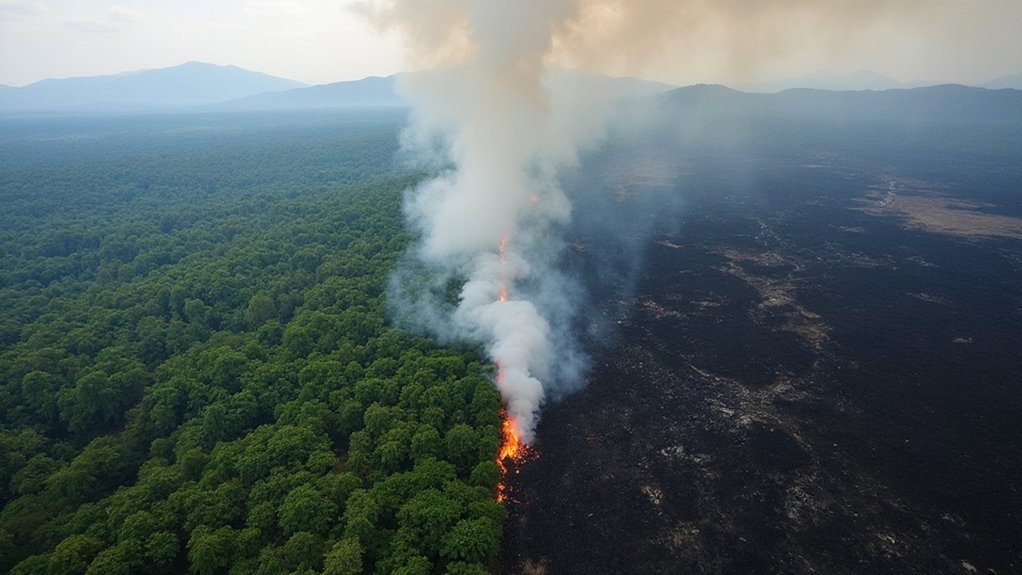
Looking ahead, 2025 spring forecasts predict warmer, drier conditions that will increase wildfire risk in many U.S. regions. The ongoing effects of climate change are creating year-round fire seasons in the South, further complicating management efforts. Fire science shows intensifying risk to organic soil layers, making fires harder to put out. The DOD has previously been involved in wildfire response efforts, demonstrating the importance of maintaining established coordination channels rather than creating new agencies.
Organizations like the National Association of State Foresters recognize outstanding work through Wildfire Mitigation Awards that highlight innovation and leadership in risk reduction efforts.
Experts highlight that creating a new agency risks fragmenting accountability during large-scale fires. They also fear that public land health could worsen if focus shifts away from proven forest restoration practices.
The veterans emphasize that continuity and institutional knowledge are essential for proper public land stewardship. They stress the need to adapt to changing fire conditions without dismantling systems that work.
References
- https://www.ncsl.org/military-and-veterans-affairs/military-installation-resilience-wildfire
- https://www.stateforesters.org/newsroom/nations-leading-wildfire-management-group-announce-2025-wildfire-mitigation-awardees/
- https://www.westernforesters.org/blog/policy-update-february-2025
- https://www.fs.usda.gov/managing-land/wildfire-crisis
- https://southernforests.org/2025/02/27/spring-2025-wildfire-risk-outlook-what-to-expect-in-the-southeast/