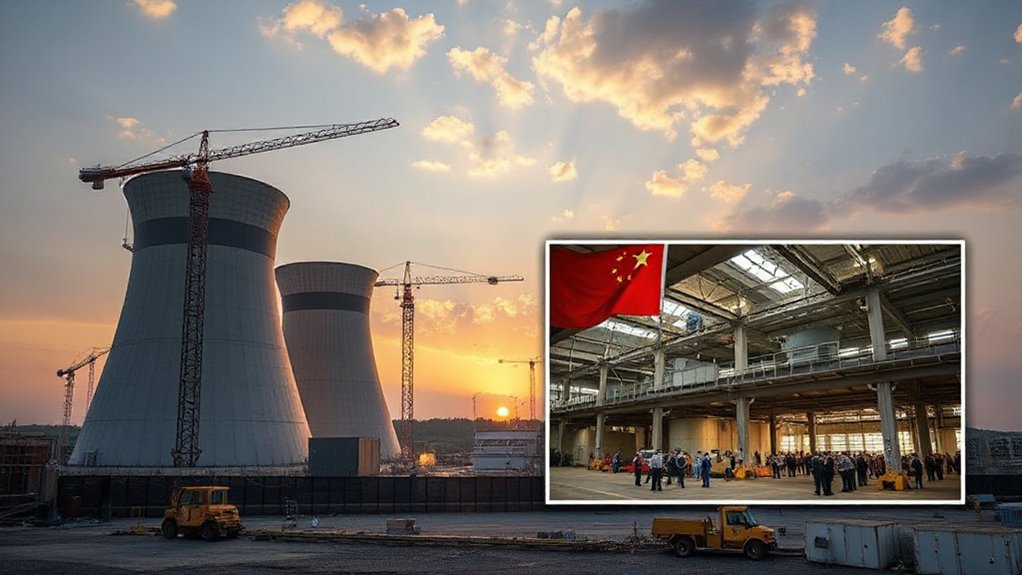
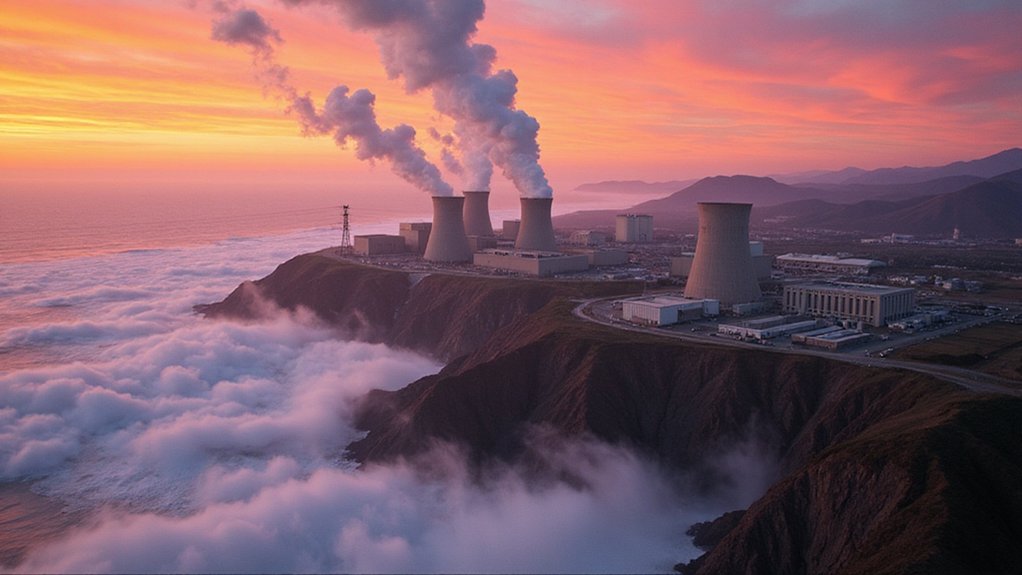
After abandoning its nuclear power ambitions in 2016, Vietnam’s pushing forward with a major new reactor project. Russia’s Rosatom has signed an agreement to build two nuclear reactors in Ninh Thuan province that’ll produce 2,400 megawatts of electricity. The deal marks a significant shift in Vietnam’s energy strategy after nearly a decade of inactivity.
Vietnam and Russia formalized the partnership reportedly on March 23, 2026, with top officials from both nations attending the signing ceremony in Moscow. Alexey Likhachev, the head of Rosatom, signed alongside Tran Van Son, representing Vietnam’s government. Russian Prime Minister Mikhail Mishustin and Vietnamese PM Pham Minh Chinh witnessed the historic moment.
The project uses Rosatom’s VVER-1200 reactor design, which is the company’s most successful export model. The design’s based on Russia’s Leningrad NPP-2 and meets the highest international safety standards. The two reactor units will be built in separate locations: Ninh Thuan 1 in Phuoc Dinh commune and Ninh Thuan 2 in Vin Hai commune.
Vietnam originally planned this nuclear development back in 2009. After construction started, the project stalled in 2016 due to economic challenges. The country had already relocated two local villages and completed infrastructure improvements during those early years. Now, Vietnam’s decided to revive the project to meet its energy security needs and reach net-zero emissions goals.
Construction is targeted for completion by 2030, giving workers about four years to complete the massive undertaking. Beyond the main power plant, Russia and Vietnam are also developing a Center for Nuclear Science and Technology. This research facility will include a Russian-designed research reactor and support medical isotope production. The framework agreement will guide bilateral cooperation in the nuclear field for years to come.
The partnership extends beyond construction. Potential international support, including training programs, is reportedly under discussion. Russia will continue supplying fuel for Vietnam’s existing Dalat research reactor, which keeps producing medical isotopes for hospitals. Nuclear energy’s appeal for Vietnam mirrors a broader global trend, as zero carbon emissions during operation make it an attractive tool for nations pursuing aggressive climate targets.
The agreement establishes a legal framework meant to guide Russian-Vietnamese nuclear cooperation for decades. Both nations view this partnership as a foundation for long-term industrial growth and strengthened energy independence.
References
- https://interestingengineering.com/energy/vietnam-russia-2400-mw-nuclear-plant
- https://vir.com.vn/russia-to-build-2400-mw-nuclear-plant-in-vietnam-under-new-deal-149133.html
- https://www.industrialinfo.com/iirenergy/industry-news/article/vietnam-selects-russias-rosatom-for-revived-nuclear-project–355353
- https://worldview.stratfor.com/situation-report/vietnam-russia-nuclear-energy-deal-formalizes-revival-long-stalled-project
- https://www.world-nuclear-news.org/articles/vietnam-russia-intergovernmental-agreement-on-new-nuclear
- https://interfax.com/newsroom/top-stories/116772/
- https://www.nucnet.org/news/russia-and-vietnam-sign-agreement-to-build-ninh-thuan-1-nuclear-plant-3-1-2026