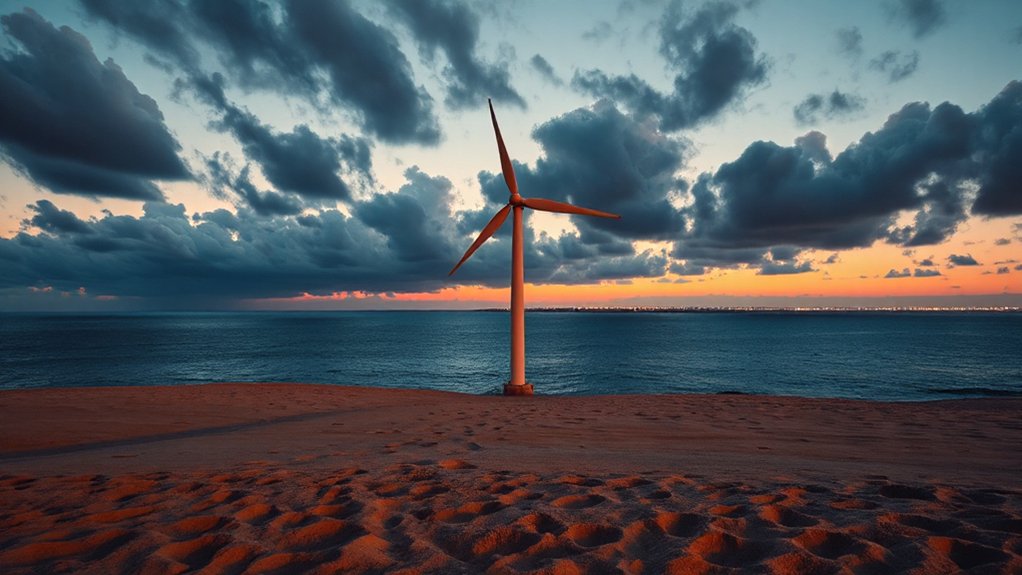
Virginia’s ambitious offshore wind plans screeched to a halt on December 22, 2025, when the U.S. Department of Interior suspended construction on all five large-scale East Coast offshore wind projects, including the Coastal Virginia Offshore Wind (CVOW) development.
The suspension order, issued by BOEM’s Acting Director, targeted OSW Project LLC specifically, leaving Dominion Energy scrambling to respond. Talk about bad timing.
The CVOW project was no small potatoes. It represented the largest offshore wind undertaking in the United States, positioned to deliver a significant chunk of Virginia’s 5,200-megawatt target by 2034. This setback mirrors the clean energy goals threatened across New England states that had been counting on Canadian hydropower to offset fossil fuel dependence.
Before the federal buzzkill, progress had been impressive. The first eight monopile foundations had already arrived at Portsmouth Marine Terminal, and the first six were successfully installed in the Northwest corner of the lease area.
Dominion Energy had been cruising along nicely. Their installation vessel, Orion, had placed the first four pin piles for an offshore substation.
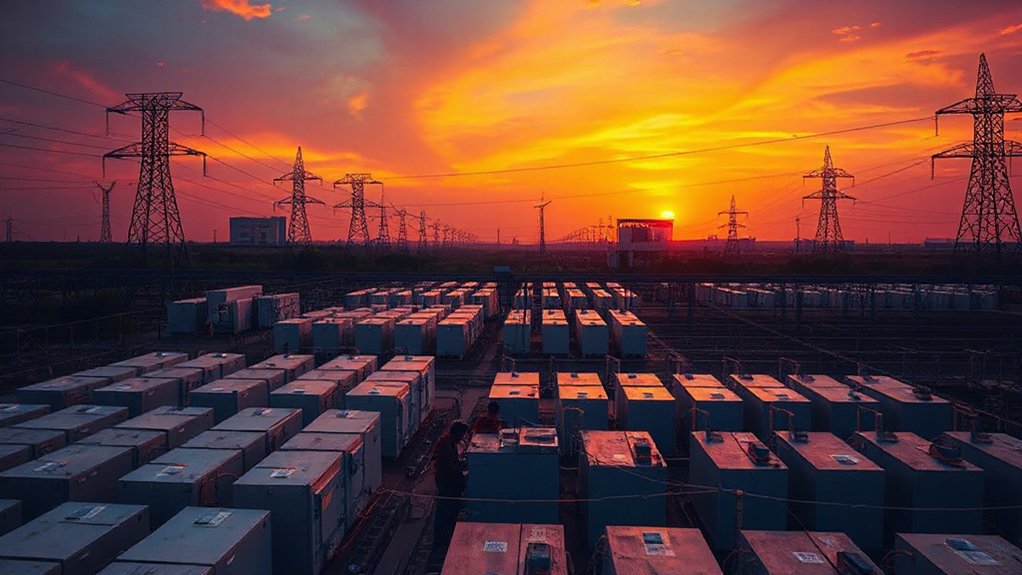
The plan was ambitious: 78 monopile foundations and four substation foundations during the five-month installation season. One offshore substation was already in place off Virginia Beach, ready to bundle energy and step it up to 230kV for export.
The cable work was equally substantial. DEME Group and Prysmian were tasked with laying 365 miles of cable eight feet below the ocean floor. With export cable laying beginning in October 2024, the infrastructure preparation was well underway before the suspension.
Dominion had even filed their transmission line application with Virginia’s SCC on November 5 after extensive community engagement. Progress, progress, progress… until it wasn’t.
Virginia’s response to the federal pause has been underwhelming. While the state created its first Office of Offshore Wind within DMME and positioned itself as a leader, it’s now conspicuously quiet in the regional fight to restart construction. The Department cited national security issues as justification for the 90-day pause, leaving many questioning the timing and validity of these concerns.
The sudden halt throws Virginia’s clean energy timeline into chaos. For a state that was supposed to be the offshore wind champion, Virginia seems strangely absent from the battle to save these projects.
The foundations are in place—literally and figuratively—but the future? That’s blowing in the wind.
References
- https://coastalvawind.com/about-offshore-wind/timeline
- https://www.canarymedia.com/articles/offshore-wind/bonkers-doi-letter-halts-all-five-in-progress-offshore-wind-farms
- https://www.offshorewind.biz/2025/12/23/us-government-sends-stop-work-order-to-all-offshore-wind-projects-under-construction/
- https://news.dominionenergy.com/press-releases/press-releases/2025/Dominion-Energy-releases-statement-in-response-to-U-S–Department-of-Interior-action-on-Coastal-Virginia-Offshore-Wind/default.aspx
- https://www.boem.gov/renewable-energy/state-activities/CVOW-C