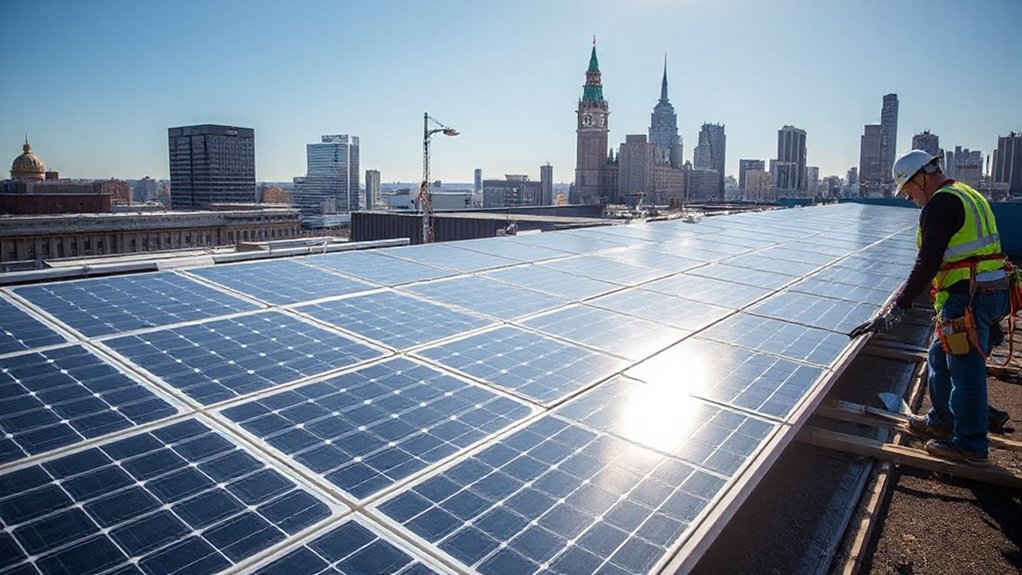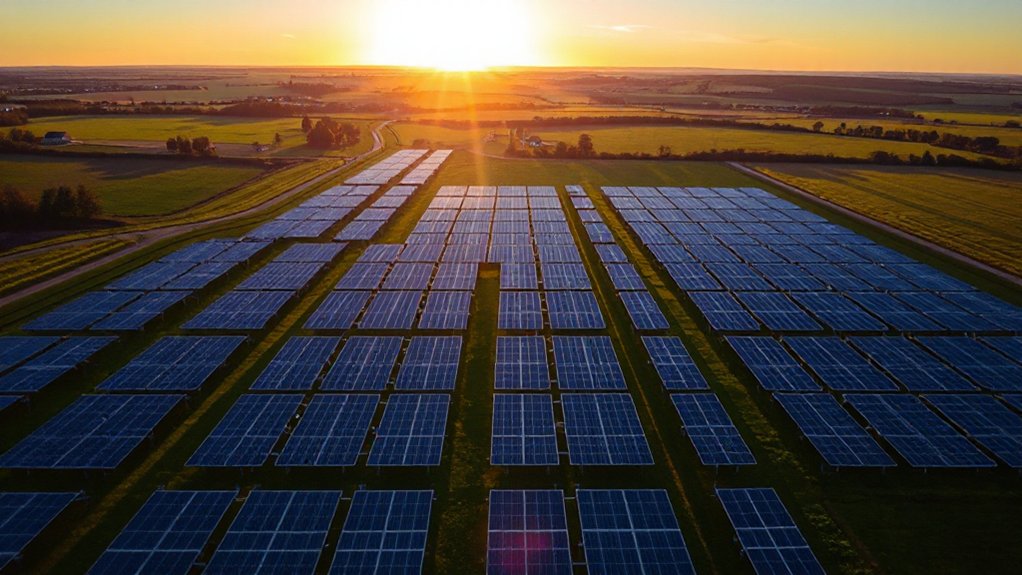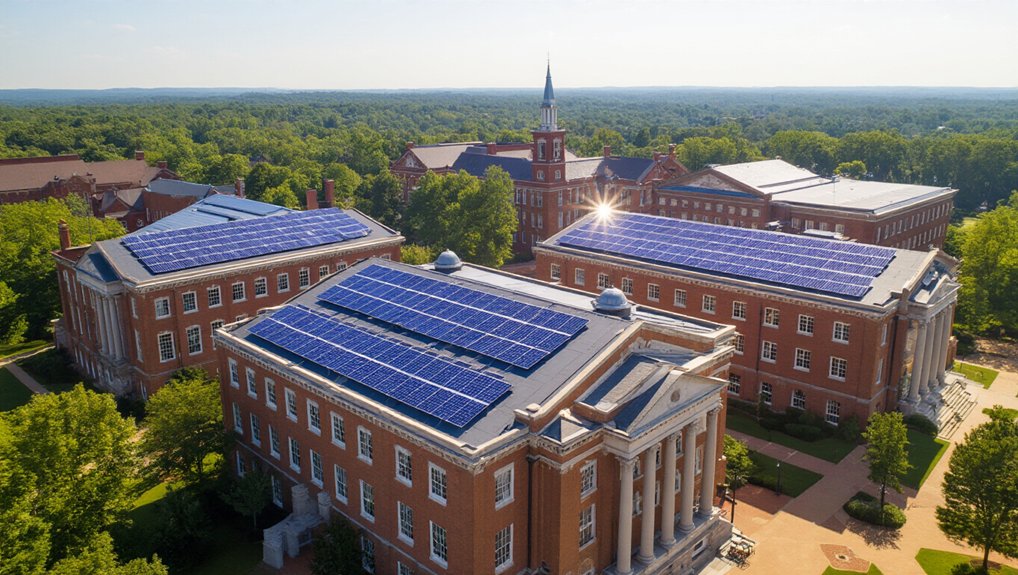

Four massive solar arrays just lit up Virginia Tech‘s campus. The 1.2-megawatt installations on Sterrett Center, Durham Hall, the vet school, and McComas Hall went operational in November after a September start. That’s 2,300 megawatt-hours annually – enough juice for 215-220 homes. Not bad for a university.
Virginia Tech powers up 1.2 megawatts of solar across four buildings – enough for 220 homes.
This isn’t Virginia Tech’s first solar rodeo. They already had 2.1 megawatts spread across seven buildings from a 2022 project, plus some smaller arrays on Perry Street Garage and Whittemore Hall. Those earlier panels? Expected to slash CO2 emissions by 44,000 tons over two decades. The math checks out.
The university’s shooting for 100% renewable electricity by 2030. Carbon neutrality is the endgame. Stephen Durfee, the associate director for campus energy management, leads a team of engineers and technicians hunting down energy waste like it’s their job. Because it is.
Nam Nguyen runs the whole sustainability show as executive director of energy and utilities.
Here’s where it gets interesting. Students can actually access real-time generation data from these arrays. No more theoretical classroom discussions about renewable energy – they’re analyzing actual kilowatt production from their own campus rooftops. The university calls it “practical training for the next generation of climate action leaders.” Sure, why not.
Virginia’s solar scene is exploding. The state ranks fifth nationally for renewable energy growth since 2015, with solar arrays powering nearly 750,000 households by 2024. That’s a 270-fold increase in solar, wind, and geothermal generation. This initiative aligns with the national push for ambitious renewables that has gained strong voter support in recent elections.
Still, Virginia sits at 38th place for percentage of electricity from renewables. Room for improvement.
The 2020 Virginia Clean Economy Act kicked this growth into high gear. Virginia Tech’s jumping on that bandwagon hard, designing new buildings “solar ready” from the start. Smart move. A third-party developer owns and maintains all the arrays, selling power back to the university through a purchase agreement. The developer behind these projects is Sun Tribe, co-founded by three Virginia Tech alumni who know the campus inside out.
The university’s not stopping here. More self-generating energy projects are in the pipeline, with capital construction projects engineered to support future solar arrays.
These four new installations? Just the opening act. Virginia Tech’s betting big on solar, and the numbers suggest they might be onto something.
References
- https://appvoices.org/2025/05/27/virginia-tech-solar-project/
- https://news.vt.edu/articles/2022/03/campusplanning-solaragreement.html
- https://news.vt.edu/articles/2024/12/facilities-solar-energy-expansion.html
- https://vept.energy.vt.edu/renewables/solar_energy.html
- https://environmentamerica.org/virginia/updates/virginia-among-national-leaders-in-solar-energy-growth-data-centers-threaten-progress/