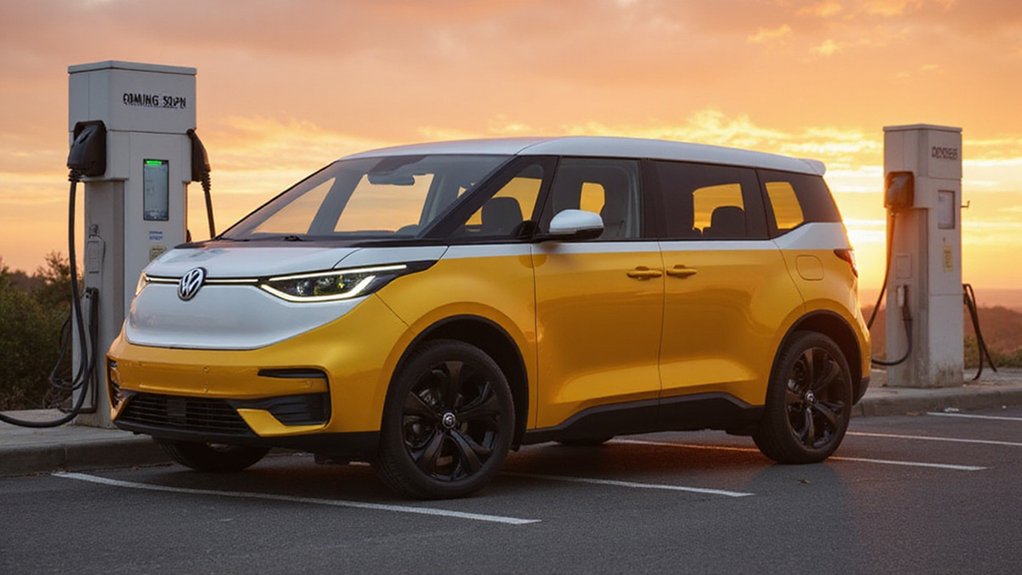

While Volkswagen‘s reimagined electric Microbus rolled into the U.S. with dreams of nostalgic glory, the ID.Buzz has crashed into a wall of cold, hard reality. The much-hyped 2025 debut brought three fancy trims and retro vibes that had Deadheads and soccer moms alike swooning. With its flexible seating for six or seven passengers and semi-automated driving assistance, it looked like VW had a winner. On paper, anyway.
Then came the price tags. Ouch. Slapped with a brutal 27.5% import tariff, the ID.Buzz suddenly cost more than competitors with better specs. Not exactly the people’s car anymore, is it?
Sticker shock turned this flower power revival into a luxury toy. So much for the people’s van.
And that 231-mile range? In today’s EV market, that’s like showing up to a marathon wearing flip-flops. The vehicle lacks the capacity to take advantage of the battery storage advancements that are revolutionizing America’s power grid.
Supply became another headache. Fewer than 600 units shipped to American dealers in three months. Try finding one of these unicorns at your local VW dealer. The original 40,000-unit sales target? Pure fantasy now.
The April 2025 recall didn’t help. Non-compliant brake lights and seatbelt issues sent engineers scrambling and further gummed up already-constrained shipments. Nothing says “buy me” like freshly recalled vehicles sitting on container ships.
Ironically, while the ID.Buzz was struggling to find American homes, it was collecting trophies. It snagged the 2025 North American Utility Vehicle of the Year award and earned praise from automotive journalists nationwide. The prestigious recognition came from a jury of 50 automotive journalists from the U.S. and Canada who apparently don’t mind paying premium prices for below-average range.
Meanwhile, 17 million EVs sold globally in 2025. Tesla, Hyundai, and Ford laughed all the way to the charging station with longer ranges and friendlier price tags. Europeans embraced the ID.Buzz with open arms, making America’s tepid response even more glaring. This contrast highlights how regional market differences significantly impact vehicle success across different territories.
The lesson? Even nostalgia has its limits. Consumers might love the flower-power aesthetic, but not enough to overlook practical shortcomings. Sometimes, dreams of the past just can’t compete with the realities of today.
References
- https://cleantechnica.com/2025/07/13/vws-electric-hippy-microbus-struggles-in-america-dont-signal-ev-collapse/
- https://www.billjacobsvw.com/volkswagen-id-buzz-named-2025-north-american-utility-vehicle-of-the-year/
- https://www.gunthervw.net/volkswagen-id-buzz-release-date.htm
- https://media.vw.com/releases/1835
- https://www.vw.com/en/models/id-buzz.html