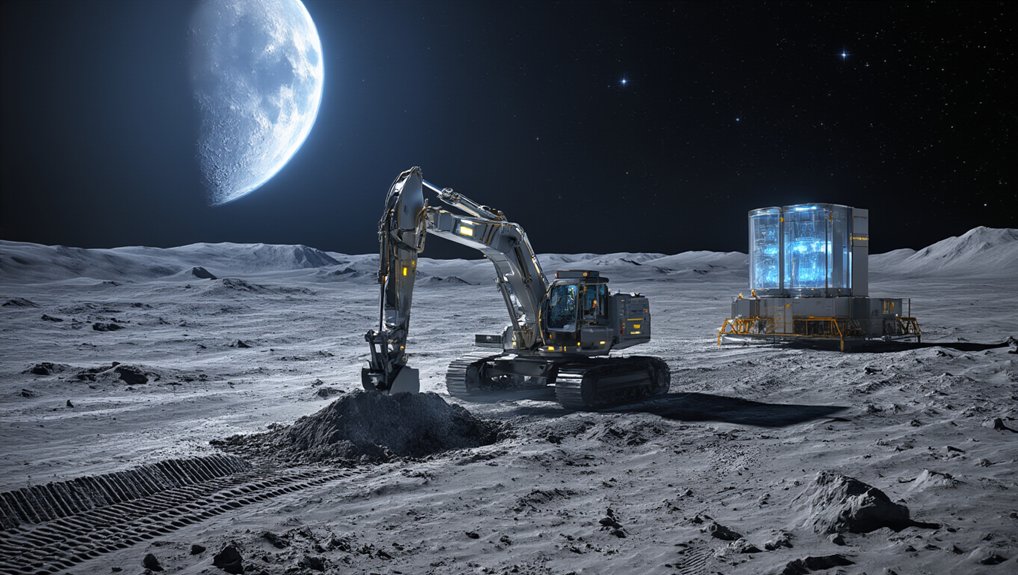
The White House has ordered NASA to develop a nuclear reactor for the moon by 2030. The directive requires NASA to solicit proposals from private companies for a 100-kilowatt nuclear reactor that can be launched to the lunar surface. NASA must also designate a dedicated program leader for this effort and gather industry input within 60 days.
A 100-kilowatt reactor would generate enough power to supply roughly about 80 homes on Earth. This capacity is a significant upgrade from NASA’s previous research, which funded a 40-kilowatt reactor concept for the early 2030s. The reactor would enable continuous power for lunar habitats, rovers, robotic equipment, and mining operations. This is essential because the moon experiences two-week cycles of daylight followed by two weeks of darkness, making solar panels unreliable as a sole power source. NASA officials have expressed concern that China and Russia’s joint lunar nuclear project by the mid-2030s could position adversaries to establish exclusive control over valuable lunar areas with optimal light and water ice access, amid concerns over rivals’ projects.
The push for lunar nuclear power aligns with the Trump administration’s focus on crewed spaceflight to the moon and Mars. Currently, robotic spacecraft on the moon operate using only a few watts of power, which severely limits their scientific capabilities. A nuclear reactor would allow for 24-hour operations and far more advanced exploration. NASA Administrator Jared Isaacman has been designated to oversee this ambitious initiative. Tech companies like Google and Amazon have similarly secured nuclear energy deals to power their own energy-intensive operations, reflecting broader industry trends.
The 2030 deadline isn’t arbitrary. China plans its first crewed moon landing around 2030. Russia and China are also collaborating on a joint lunar nuclear project targeted for the mid-2030s. U.S. officials worry that without their own nuclear reactor technology, China and Russia could control prime lunar locations with access to sunlight and water ice, potentially restricting American operations. China has already achieved what the U.S. hasn’t: landing on the moon’s far side.
The memorandum was signed by NASA and DOE under Administrator Jared Isaacman, advancing President Trump’s policy. The project continues NASA’s nuclear development work, a separate effort from the Pentagon’s nuclear rocket program, which has faced its own cuts and delays.
The effort faces budget challenges, as NASA operates under significant budget cuts. However, officials say private companies can deliver the necessary technology efficiently by using flexible Space Act Agreements. The nuclear reactor represents a key technology for establishing long-term American presence on the moon and beyond.
References
- https://www.politico.com/news/2025/08/04/nasa-china-space-station-duffy-directives-00492172
- https://www.foxnews.com/politics/inside-nasa-fast-track-plans-lunar-nuclear-power-new-space-stations-outpace-global-rivals
- https://www.energy.gov/articles/us-department-energy-and-nasa-develop-lunar-surface-reactor-2030