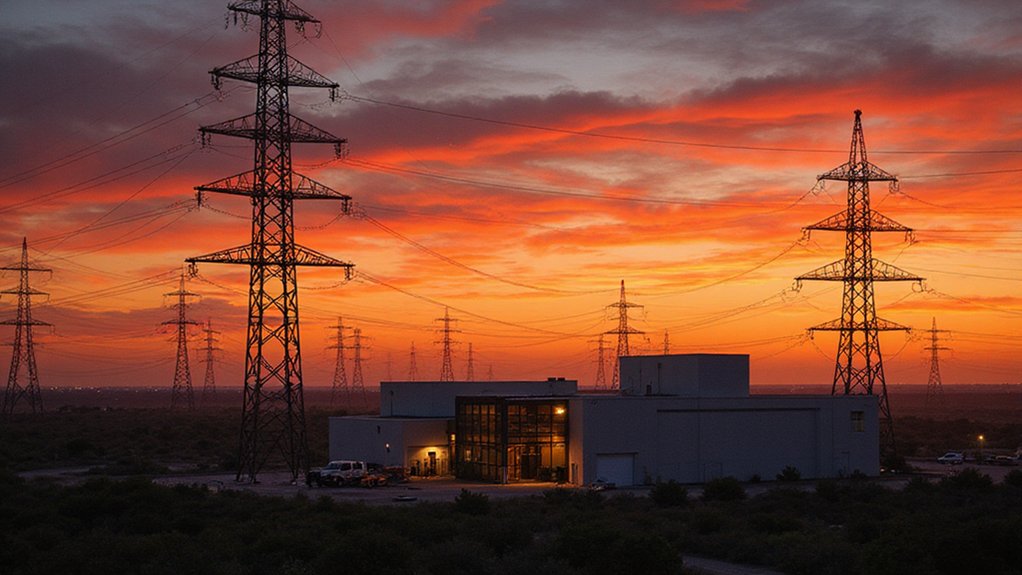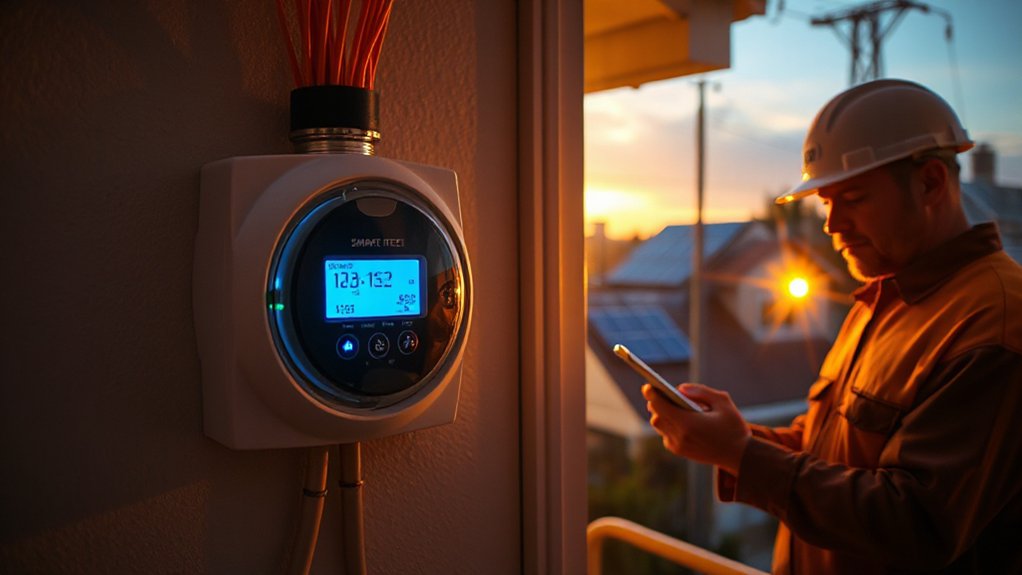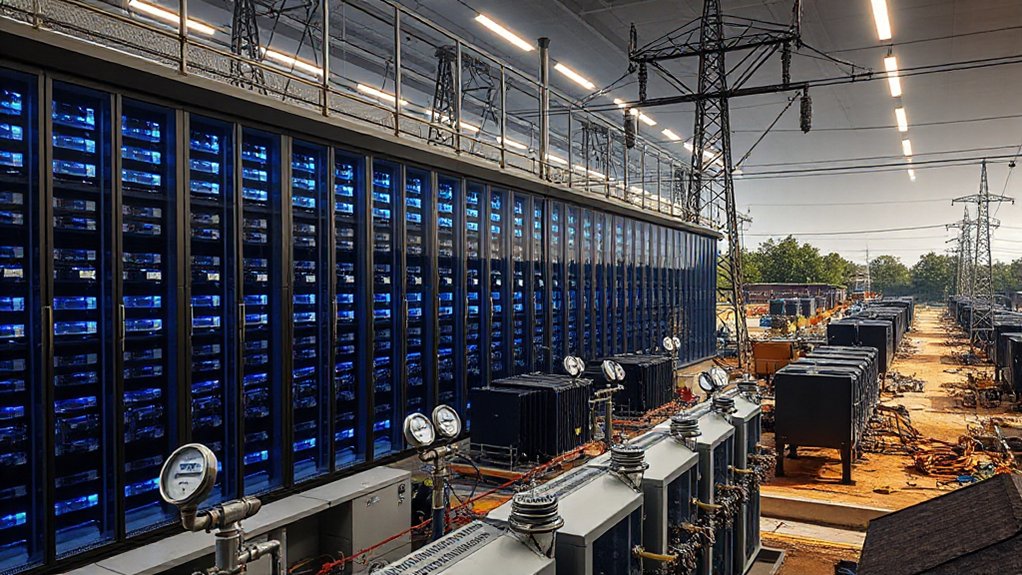
The energy sector is changing fast. Old rusty pipes and creaky power lines aren’t just expensive problems anymore—they’re data gold mines waiting to be tapped. Visual AI is transforming how companies handle infrastructure that’s been quietly deteriorating for decades. Finally, something useful from all those neglected assets!
Computer vision now assigns health scores to infrastructure based on photos taken during routine site visits. Engineers snap pictures, and boom—damaged areas get highlighted instantly. No more squinting at rust spots wondering, “Is that bad?” The system knows. It’s like having x-ray vision, but without the radiation suits.
These technologies don’t just react to problems—they predict them. Deep learning algorithms monitor pipelines for leaks before they happen. Solar panels get scanned for tiny defects invisible to the human eye. Even power output forecasting from wind farms is possible just by analyzing field imagery. Pretty neat for something that basically started as fancy photo recognition. This predictive maintenance approach helps organizations avoid economic repercussions and potential risks to human lives.
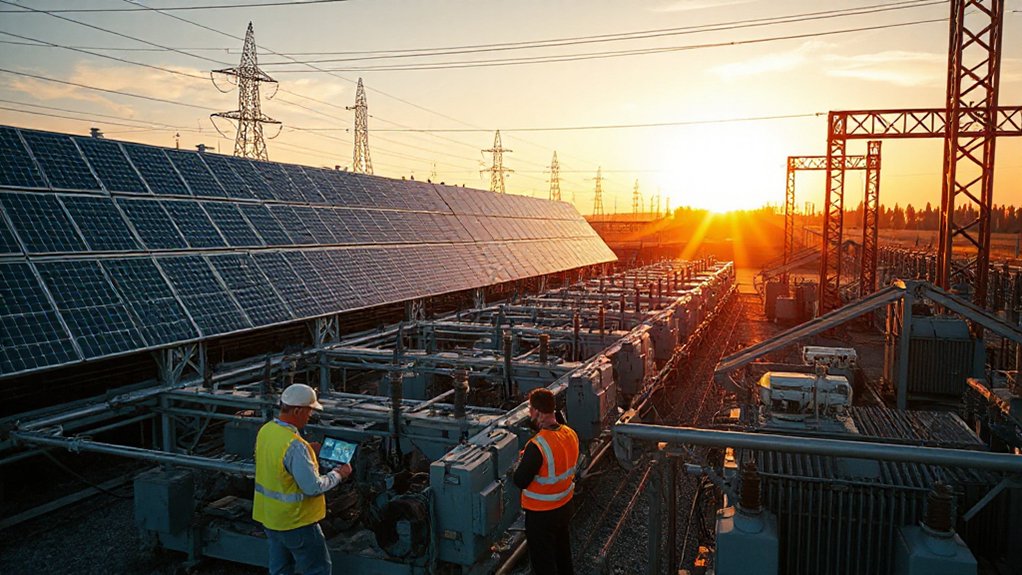
The cost savings are ridiculous. Remote monitoring through existing security cameras means companies don’t need to send technicians to the middle of nowhere just to check if equipment is still standing. When they do visit, AI guarantees they’re wearing proper safety gear—because apparently, some folks need a computer to remind them that hard hats aren’t optional near high-voltage equipment. With U.S. grid infrastructure requiring an estimated 3.1 trillion dollars in investments before 2030, these AI solutions offer critical cost-effective alternatives to complete replacement.
Real-time monitoring creates situational awareness without the overhead. Vegetation encroachment, weather damage, structural failures—all detected automatically. The systems even check if maintenance reports are complete and compliant. Because if there’s one thing utility workers love, it’s paperwork. Computer vision platforms enhance operator awareness by providing live feed capability from servers or edge devices stationed throughout the utility network.
Integration platforms like Deepomatic Lens and Datature make deployment surprisingly simple. They’re turning what was once a patchwork of aging infrastructure into interconnected, intelligent networks. Utility companies are finally dragging themselves into the 21st century—kicking and screaming, perhaps, but moving forward nonetheless. Who knew those old power lines could be so smart?
References
- https://www.iqgeo.com/blog/how-visual-ai-enhances-telecom-and-utility-asset-management-for-strong-infrastructure-health
- https://datature.com/solutions/utilities
- https://viso.ai/applications/computer-vision-in-energy-and-utilities-industry/
- https://vidizmo.ai/blog/ai-in-construction-smarter-infrastructure-maintenance
- https://landing.ai/videos/powering-the-future-visual-ai-innovations-in-energy-and-utilities
- https://roboflow.com/industries/energy-and-utilities
- https://www.nvidia.com/en-us/industries/energy/power-utilities/
- https://guidehouse.com/insights/communities-energy-infrastructure/2025/ai-utility
- https://www.gevernova.com/software/products/gridos/visual-intelligence