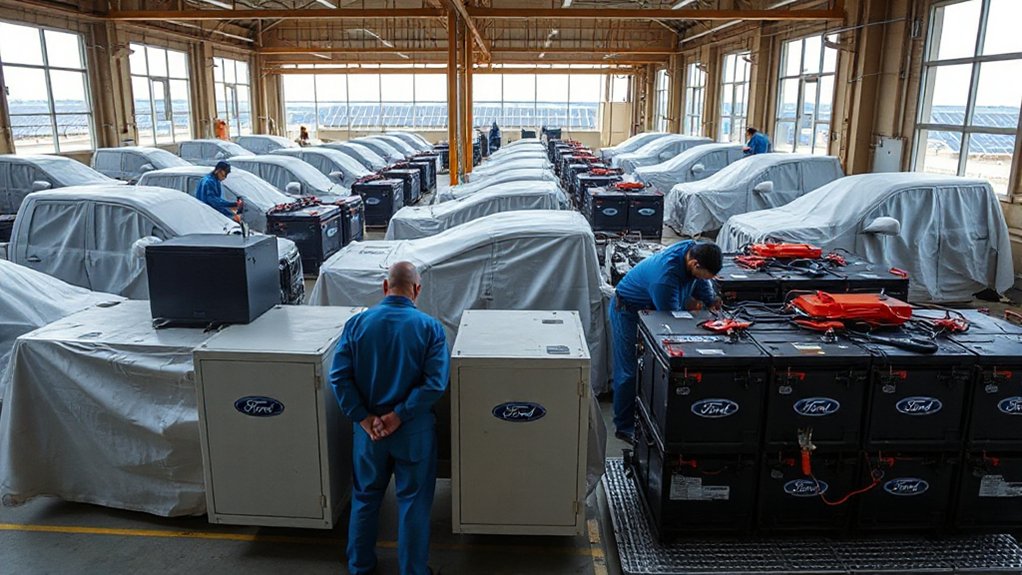
Ford Motor Company has slammed the brakes on its electric vehicle ambitions, permanently halting production of the current F-150 Lightning with no plans to resume. Existing inventory represents the last Lightning trucks customers will ever see. Done. Finished. The Blue Oval isn’t mincing words about this shift, which comes amid excess battery capacity and manufacturing facilities that weren’t pulling their weight.
The automaker is pivoting hard, transforming the once-pure electric F-150 Lightning into an extended-range electric vehicle (EREV). This hybrid-ish approach will take over at the Rouge Electric Vehicle Center in Dearborn. Looks like the all-electric dream is getting watered down with a little gas, folks.
Ford’s reasoning? Money talks. Lower-than-expected demand for larger EVs paired with sky-high costs made the business case about as solid as a chocolate teapot. Regulatory changes didn’t help either. The company is redeploying capital from these unprofitable behemoths toward trucks, vans, hybrids, and—surprise!—battery storage.
The casualties don’t end with Lightning. Ford axed its planned electric commercial van for Europe and replaced North America’s electric van with an “affordable” gas/hybrid version. They even canceled a $6.5 billion battery supply contract with LG Energy Solution. This cancellation follows the dissolution of their $11.4 billion BlueOval SK joint venture with SK On for U.S. battery cell manufacturing plants. Ouch.
CEO Jim Farley calls this a “customer-driven” shift. Translation: nobody was buying enough of these things. Ford’s now focusing on what they’re calling a Universal EV Platform for smaller, more affordable pure electric models. They’re expanding powertrain choices too—hybrids, EREVs, whatever sticks to the wall.
The reality is stark. Ford bet big on electric trucks and lost. Now they’re recalibrating, emphasizing U.S. manufacturing for higher returns. It’s a dramatic reversal from their earlier all-in EV strategy. The future, it seems, isn’t all-electric after all. At least not at Ford. Not anymore.