
While global tech giants pump billions into AI and energy infrastructure, Japan’s defense ministry has quietly earmarked ¥800 million for high-power microwave research in what analysts are calling a calculated gamble on next-generation military technology.
The investment comes as part of a broader defense budget that includes ¥1.9 billion for AI-based demand forecasting and a whopping ¥256.9 billion for hypersonic missile manufacturing. Talk about priorities.
This military tech push parallels massive private sector movements. Octopus Energy just secured $800 million from investors, valuing the company at $7.8 billion—a 60% jump since 2021. Not too shabby for an 8-year-old business.
Meanwhile, Sustech closed a $50 million funding round, rocketing its valuation to $816 million. That’s 3.5 times higher than last year. Someone’s doing something right.
The Japanese aren’t playing small ball either. Prime Minister Takaichi revealed an eye-popping ¥18 trillion stimulus package targeting 17 strategic industries. Quantum computing, nuclear fusion, semiconductors—the usual suspects.
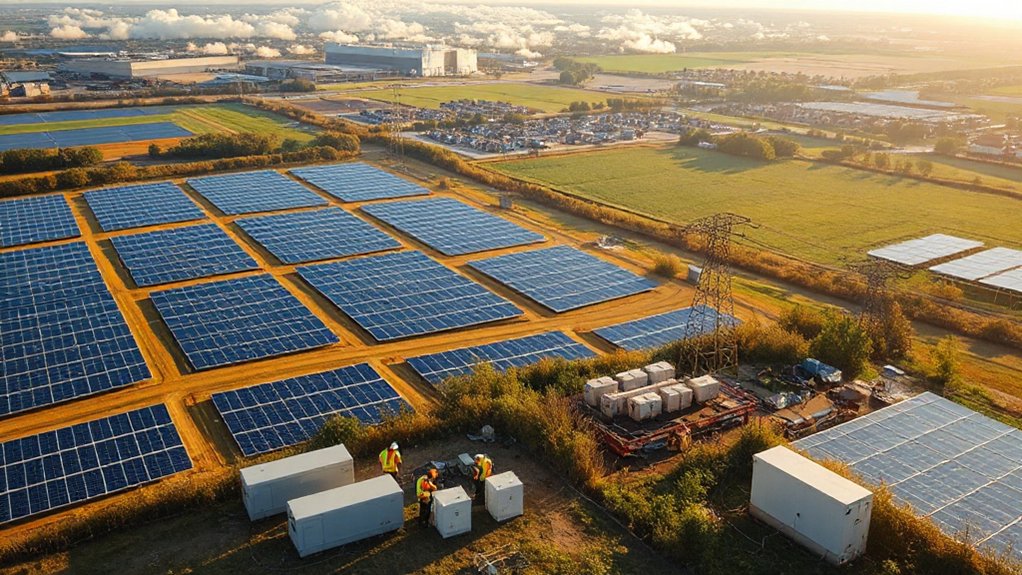
Itochu Corporation is doubling down too, expanding its U.S. solar power budget from 800 billion yen to 2 trillion yen. That’s a lot of zeros.
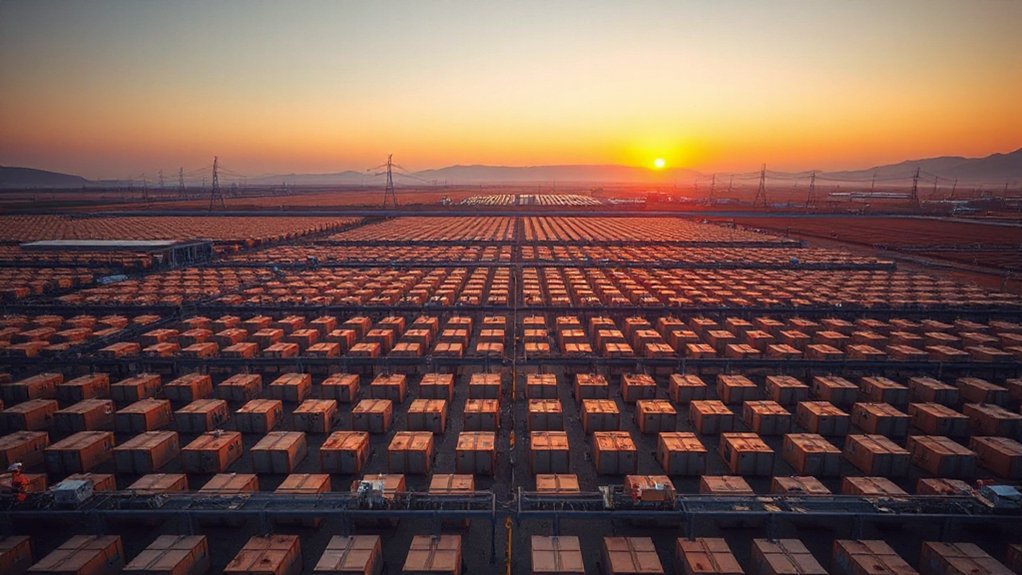
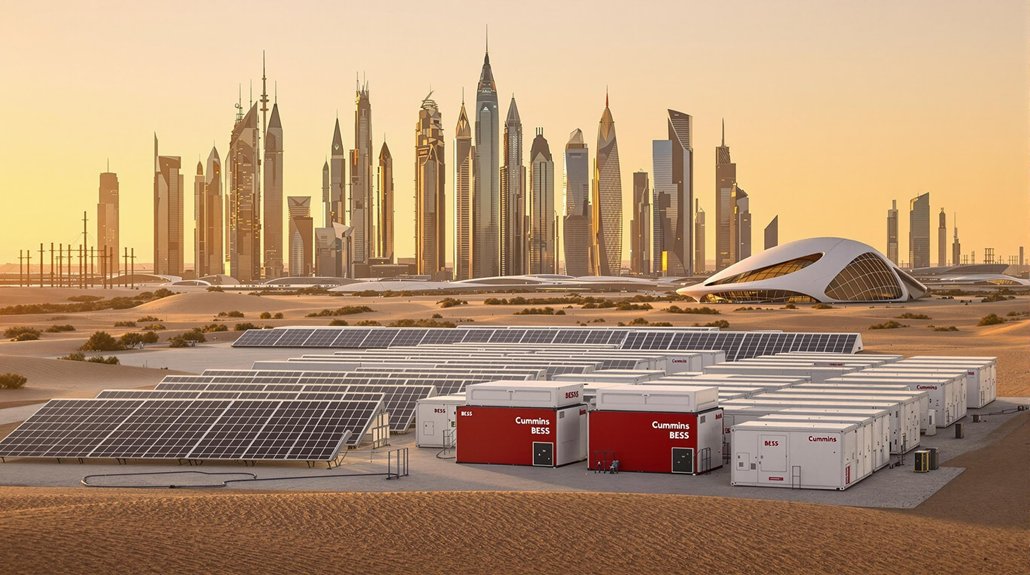
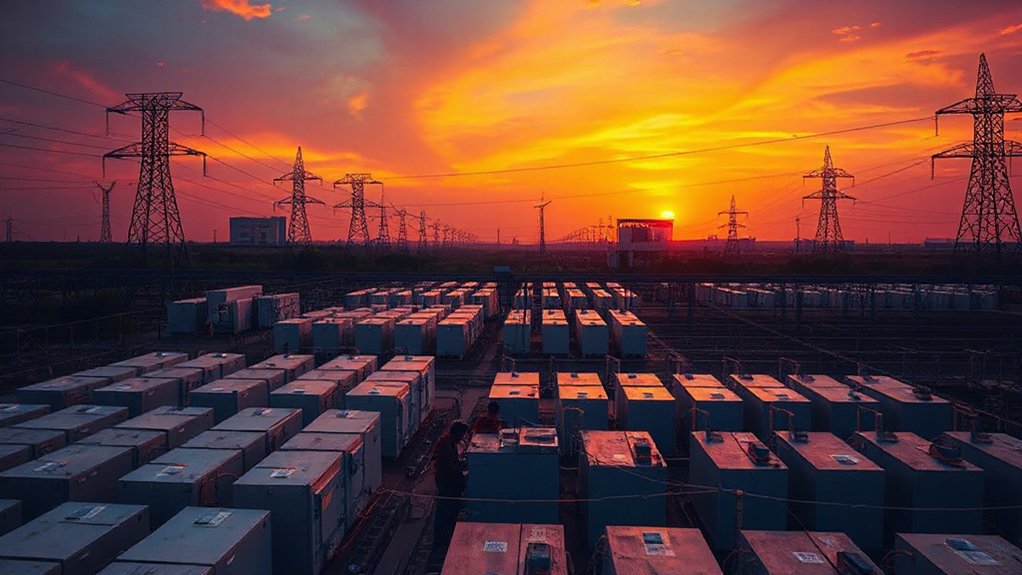
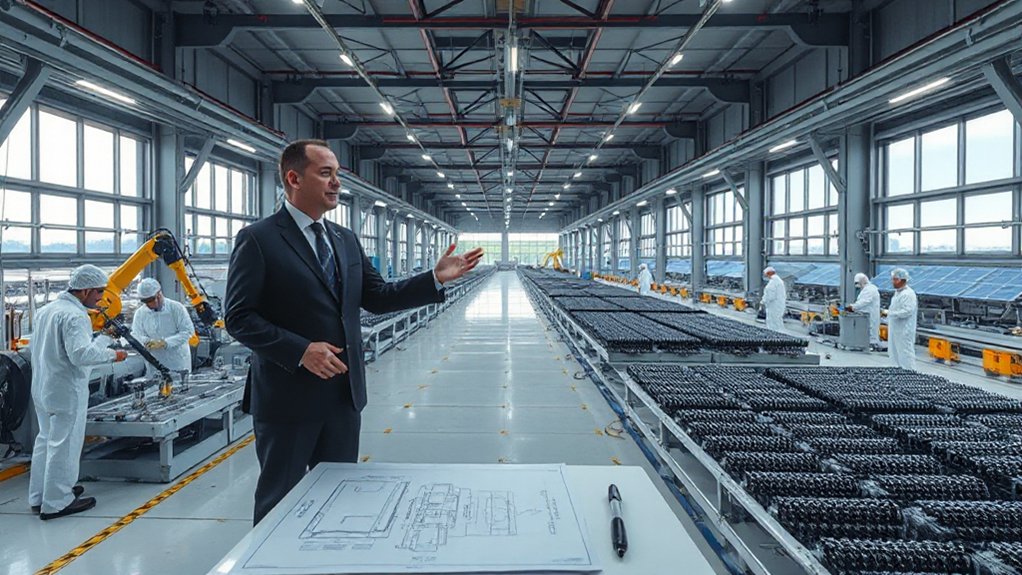
Energy infrastructure is becoming a global obsession. Hitachi Energy announced a $1 billion manufacturing investment for grid infrastructure, with $457 million earmarked for a Virginia transformer factory. Battery storage capacity has experienced a remarkable 1000-fold increase since 2010, revolutionizing how we integrate renewable energy. Octopus is leading the charge on cleantech innovation with plans to create 3,000 green jobs in the UK this year alone.
The timing isn’t coincidental. AI data centers are energy hogs, creating unprecedented demand for power equipment. Hitachi’s investment is expected to create over 800 high-paying jobs in South Boston, Virginia, significantly transforming the local economy.
The AI explosion is reshaping everything. Hyperscalers are burning through cash piles to build compute capacity. Electricity blackouts are popping up where data centers cluster.
Global clean energy investment now hits about $2 trillion annually. Just keeping the lights on for AI requires an entire energy revolution.
Japan’s ¥800 million microwave research might seem modest alongside these massive plays. But in a world where energy and technology intersect at every turn, even smaller bets could yield outsized returns.
Or become expensive footnotes in the innovation history books.
References
- https://globalrenewablenews.com/article/energy/category/climate-change/82/1057941/-800m-investment-to-accelerate-octopus-energy-s-global-clean-energy-growth.html
- https://www.hitachienergy.com/us/en/news-and-events/press-releases/2025/09/hitachi-announces-historic-1-billion-usd-manufacturing-investment-to-power-america-s-energy-future-through-production-of-critical-grid-infrastructure
- https://www.zawya.com/en/wealth/alternative-investments/japan-startup-sustechs-valuation-jumps-over-800mln-in-latest-funding-round-ik44j2pi
- https://www.mod.go.jp/en/d_act/d_budget/pdf/20241126a.pdf
- https://financialpost.com/pmn/business-pmn/takaichi-ai-corporate-reform-pave-way-for-japan-stocks-in-2026
- https://www.asiabusinessoutlook.com/news/japan-s-itochu-to-improve-capacity-of-usa-solar-power-business-nwid-7078.html
- https://am.jpmorgan.com/content/dam/jpm-am-aem/global/en/insights/market-insights/investment-outlook-2026-uk.pdf
- https://www.accretech.com/en/ir/integrated_report/main/03/teaserItems2/04/link/IntegratedReport2025_E.pdf