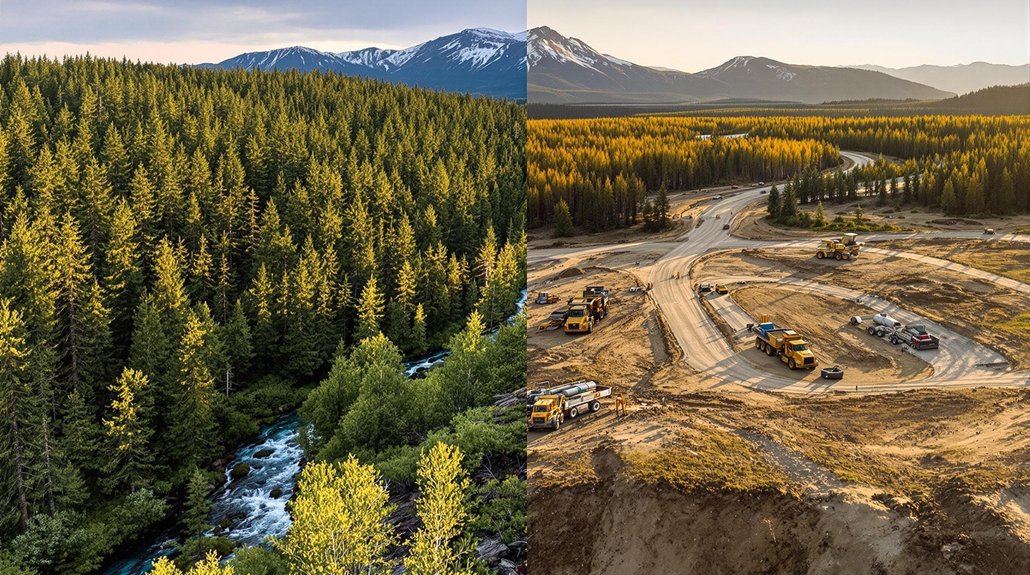

The Trump administration has slashed into America’s wilderness preservation budget, proposing to divert $387 million from the Land and Water Conservation Fund away from its intended purpose. The money, earmarked exclusively for conservation under the bipartisan Great American Outdoors Act of 2020, would instead fund deferred maintenance and timber production.
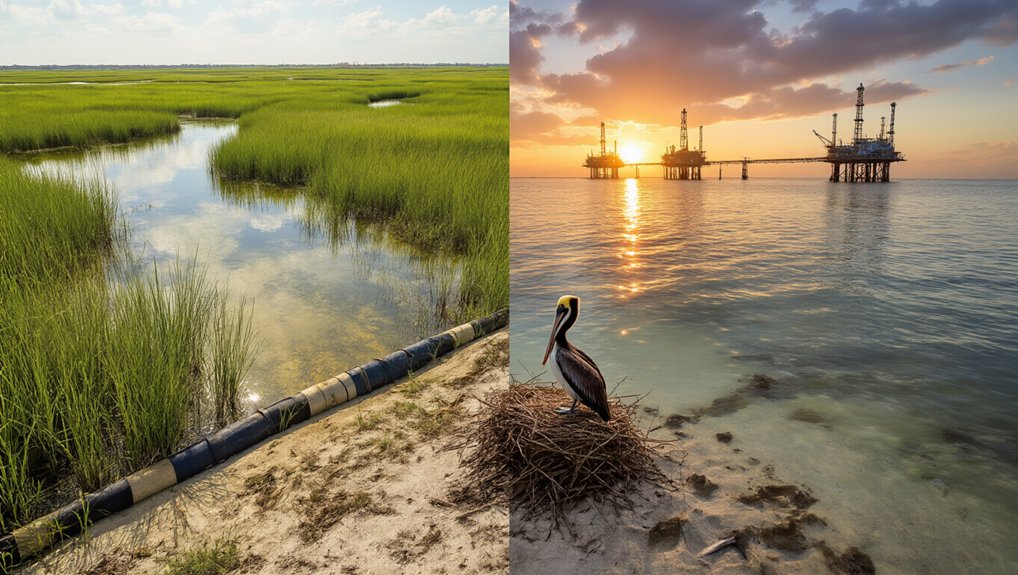
Not taxpayer dollars, mind you – this cash comes from offshore oil and gas royalties. Quite the bait-and-switch.
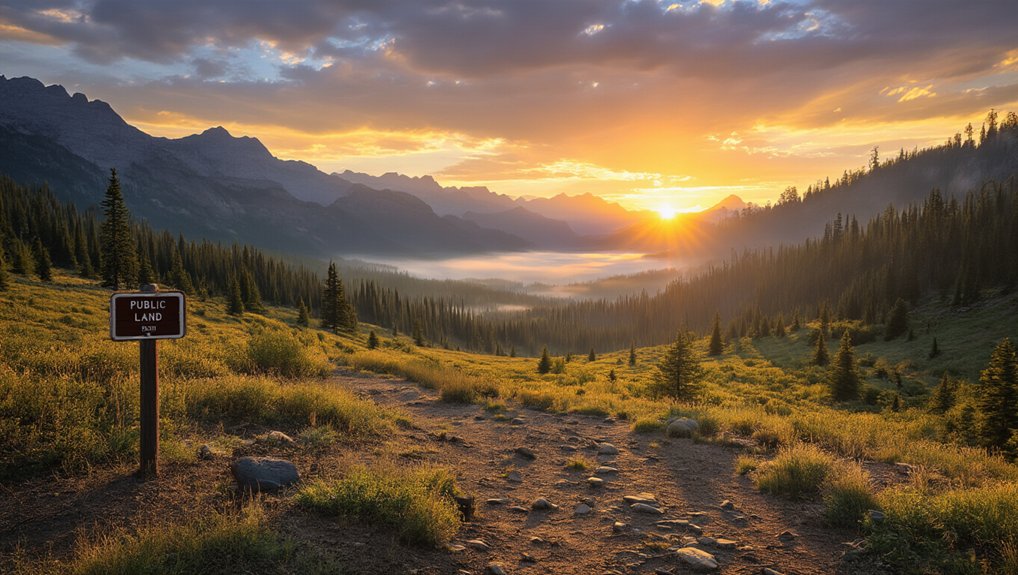
Colorado stands to lose big time. Around $45 million was planned to protect 1,700 acres across three national forests. The Snowmass Falls Ranch project? Probably toast. That’s 650 acres of wild area that won’t be added to White River National Forest.
Years of work between Wilderness Land Trust and Pitkin County – poof!
The sneaky budget footnote effectively creates a new program for facilities and maintenance at the direct expense of conservation. That’s not how this works. That’s not how any of this works. GAOA specifically established separate funding streams: one for conservation, another for repairs. You can’t just move the money around like chess pieces.
Beyond Colorado, iconic terrains like Columbia Gorge face similar threats. Oregon has received over $328 million from LWCF investments for conservation projects over the past five decades. Public access, wildlife habitats, hiking trails, fishing spots – all hanging in the balance.
Local economies dependent on outdoor recreation and tourism? They’ll feel the pinch too.
The carnage doesn’t stop there. The budget also proposes a $900 million cut to national park operations, plus slashes to park construction ($73 million), recreation preservation ($77 million), and the Historic Preservation Fund ($197 million).
The National Parks Conservation Association didn’t mince words, calling it an “all-out assault” on park protection. Some fear it could even lead to transferring national park sites to states.
Because apparently the mission to preserve “special places” for future generations is optional now.
Conservation groups are urging Congress to honor the law as written. After all, GAOA was designed specifically to prevent exactly this kind of fund diversion. Funny how that works.
The Cliff Lake acquisition project, which would protect 855 acres of critical habitat for the Rio Grande cutthroat trout, is also now in jeopardy due to these funding cuts.
References
- https://coloradosun.com/2025/06/23/colorado-land-water-conservation-fund/
- https://gorgefriends.org/news/trumps-fy26-budget-aims-to-pillage-conservation-funds/
- https://www.npca.org/articles/8429-president-trump-s-proposed-budget-takes-axe-to-national-park-service
- https://www.michigansthumb.com/news/article/trump-administration-aims-to-slash-funds-that-20393238.php
- https://www.ehn.org/trump-administration-redirects-clean-energy-funds-in-defiance-of-congress